
Commissioners approve raising transient guest tax to 12%; at least 3 percentage points reserved for parks
Get AI-powered insights, summaries, and transcripts
Subscribe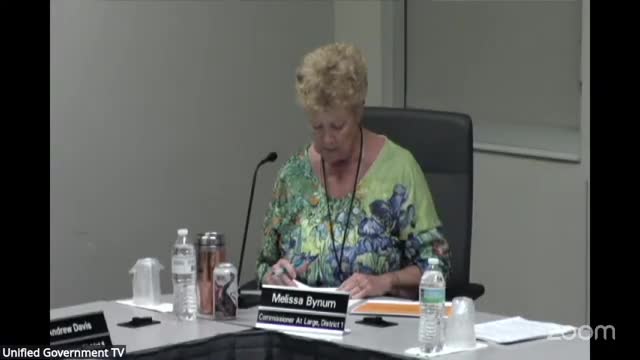
Summary
After committee discussion about timing and uses, commissioners voted to increase the city transient guest tax from 8% to 12%, with no sunset and a minimum of 3 percentage points directed to parks; the measure was advanced by committee vote and staff explained the charter and publication requirements before it could take effect.
A standing committee voted to advance a change to the city transient guest tax (TGT), increasing the rate from 8% to 12% and designating no less than 3 percentage points to parks. The committee also removed a proposed one‑year sunset and approved the motion without fast tracking the item to the full commission.
County Administrator David Johnston explained the staff proposal and context for the increase. He had earlier described a 10% draft in committee paper and noted the tax has been used to support tourism and convention activities; "What we have put is the x of that extra 2%, 1 and a half percent of the receipts, this increase would be dedicated, for capital improvement projects for our parks and recreation department," Johnston said during initial discussion. Commissioners later debated higher percentages. Budget Director Reginald Linsley provided revenue estimates for a full 1% increment: roughly $35–37 million in annual receipts depending on year.
Deputy Chief Counsel Wendy Green explained the legal process. The TGT change is a charter ordinance, requires publication twice, and the public has 60 days after the last publication to file a protest petition signed by at least 10% of qualified electors; if no valid petition is filed, the ordinance would take effect 60 days after last publication. Green also said the mayor had asked that the measure be fast‑tracked to the Thursday agenda, but commissioners declined fast tracking.
Commissioner discussion addressed timing, outreach and use of the revenue. Commissioners warned that a short public education window could harm passage and recommended longer community engagement. Commissioner Davis moved to increase the TGT to 12% with no sunset and no less than 3% dedicated to parks; the motion was seconded and the committee approved it 5–0.
What happens next: The ordinance language will be refined for full‑commission consideration; because the TGT change is a charter ordinance, published notices and a waiting period are required before it can take effect. Staff noted that if the commission seeks to place a city‑retail sales tax question on the ballot for the general election, election‑office deadlines (for printing ballots) influence scheduling.
Ending: Committee members emphasized the need for broader public education before a ballot measure and discussed whether the item should be timed for a later election to allow more outreach.