
Hastings budget presentation shows capital plan from reserves; council weighs taxes, reserves and revenue options
Get AI-powered insights, summaries, and transcripts
Subscribe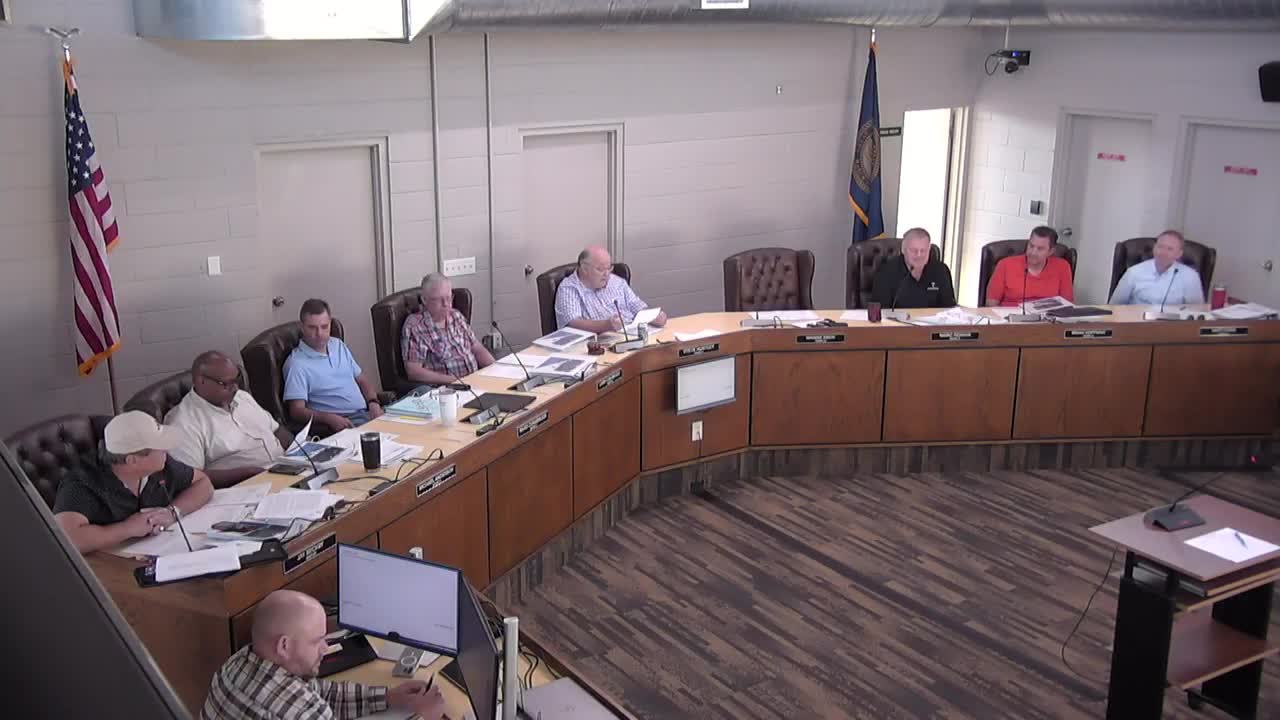
Summary
HASTINGS, Neb. — City staff presented an updated draft 2026 budget at a council work session that consolidates proposed capital projects, one‑time transfers and updated valuation numbers.
HASTINGS, Neb. — City staff presented an updated draft 2026 budget at a council work session that consolidates proposed capital projects, one‑time transfers and updated valuation numbers. Staff warned that using cash reserves to pay capital needs repeatedly would deplete the city’s “nest egg” over time and asked the council to consider revenue options in addition to spending decisions.
The presentation pulled together capital requests across departments and highlighted several large, carryover projects. Finance director Roger reported certified property valuations increased 7.2% over last year, which changes the tax‑asking calculations: with the levy left unchanged the higher valuations would reduce the city’s tax asking estimate by roughly $235,000 compared with earlier budget estimates.
Why it matters: council members and staff stressed that while the operating budget is roughly balanced and slightly reduced from last year, repeated reliance on cash reserves for capital projects will reduce reserves significantly over time. Council discussed potential revenue options such as a local restaurant tax and other user fees to stabilize long‑term finances.
Key numbers and items discussed
- Valuation and taxes: Roger said certified valuations rose 7.2%; leaving the levy unchanged would reduce the city’s tax asking from the estimate in the draft budget by roughly $235,000 (about $200,000 to the general fund and $35,000 to the museum account). Growth percent for valuations was 0.95%.
- Operating and personnel: Staff said operating spending in the proposed budget is down about $309,000 compared with last year. Personnel costs rose for pay increases but overall personnel and operating reductions from position eliminations reduced the net operating ask.
- Capital and carryovers: Major carryover and capital items highlighted included a $7.50 million jet hangar project (carryover from prior approvals and design in progress), an airport apron project ($1.4 million carryover) and a main runway lighting project with a large FAA reimbursement (city share estimated around $190,000 while gross project cost was shown higher). The cemetery road resurfacing work has multi‑phase costs; the final phase is roughly $2.25 million.
- Transfers and sinking funds: The budget shows transfers for debt service, an enlarged IT personnel allocation, and sinking funds (for example $20,000 annually set aside for Duncan Field turf replacement and a fire equipment sinking fund with an estimated balance projected to grow toward $563,595 by fiscal year end). The proposed bands/final city‑hall payment was shown at $3.5 million to finish a previously budgeted project.
Questions and policy options discussed
- Reserves and long‑term risk: Council members voiced concern about reducing reserves year after year. Finance staff said if capital outlay averages $2 million annually and reserves are used each year, reserves could drop to low levels by about 2030 unless new revenue is found or capital spending is reduced.
- Restaurant tax and other revenues: Council discussed a local restaurant tax as a revenue option; staff estimated each 1% of a restaurant tax would generate about $900,000 based on local spending assumptions, and each 0.5% would produce roughly $450,000. Staff said other nearby cities use such taxes.
- Service levels and staffing: Council members debated whether further personnel reductions could be used to reduce costs and observed that cutting positions tends to slow service delivery even if core services continue. Staff said recent personnel reductions and negotiated pay increases together produced a net reduction in personnel costs but emphasized limits on additional cuts without degrading services.
Discussion vs. action: no formal budget adoption occurred at the work session. Staff requested direction about whether to hold the levy steady and to continue developing revenue options; the mayor and finance staff said they planned to attend the state “pink card” meeting if the levy was left unchanged.
Next steps: staff will make adjustments and bring the final proposed budget forward after additional council direction. Staff also plan to develop sample ordinance language and schedules if council requests a restaurant tax proposal.