
Hastings considers ordinance to keep food vendors off public streets; staff to refine permit rules
Get AI-powered insights, summaries, and transcripts
Subscribe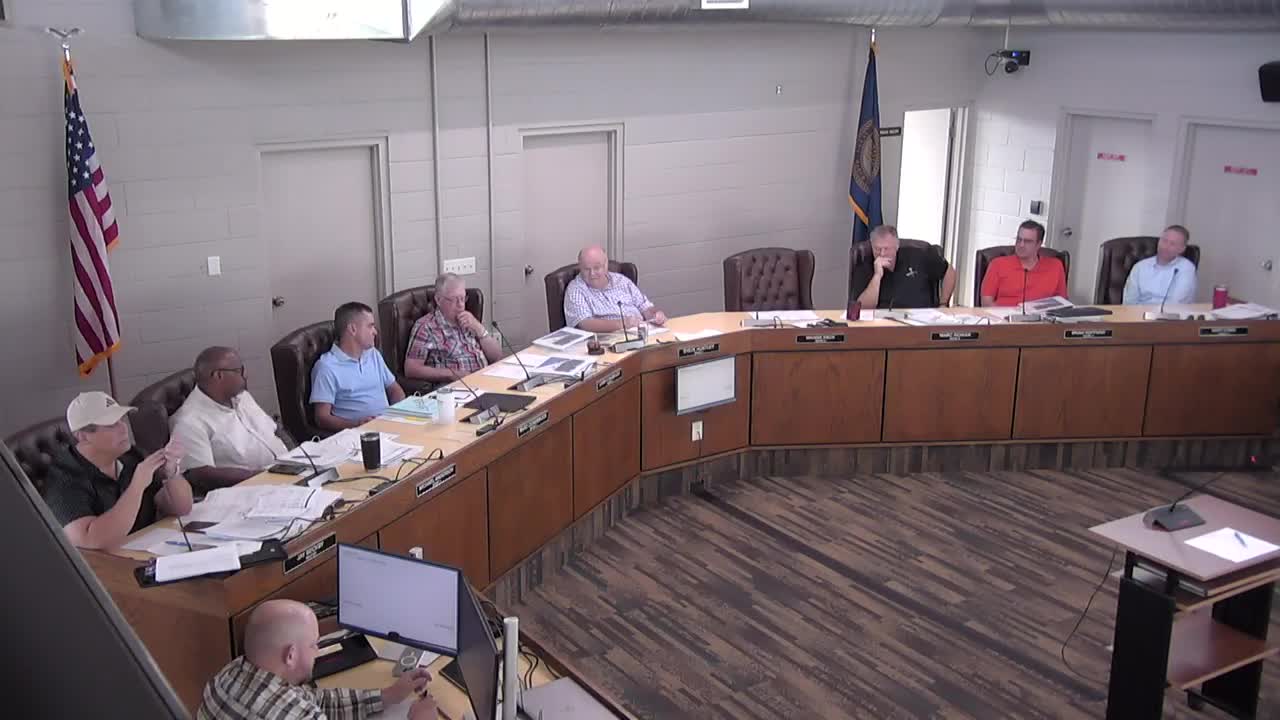
Summary
Council reviewed a draft mobile‑vendor ordinance that would prohibit sales from city right‑of‑way, allow mobile vendors in city parking lots with a permit and fee, and carve out exceptions for city events and limited residential/children activities.
HASTINGS, Neb. — The Hastings City Council reviewed a proposed ordinance to regulate mobile vendors downtown and on city property, with council members and staff debating safety, parking, business impacts and enforcement.
City staff described a draft ordinance that would define “mobile vendor,” require a permit to operate on city property and prohibit sales from public street right‑of‑way. The proposal would allow vendors to operate in private lots or designated city parking lots with a license and fee; exceptions would be made for city‑sponsored events, farmers markets and short‑term children’s stands.
Why it matters: Council members said mobile vendors on downtown streets can block storefronts, occupy paid parking used by brick‑and‑mortar businesses and create safety hazards for pedestrians and vehicular traffic. Advocates for vendors and some downtown business owners said in‑front service from a vendor can increase foot traffic and benefit restaurants and retail.
Key points from the discussion
- Draft ordinance scope: Jesse, a city staff member, said the draft defines mobile vendor broadly to include carts, trailers, tents and vehicles and would require a permit to operate in city parking lots. A staff speaker said the proposal would not allow vendors to sell from public street right‑of‑way but would permit them on private property and in city lots with a separate license fee.
- Hours and exceptions: The proposed hours are 7 a.m. to 10 p.m., with exceptions for special events handled through the city’s event guide; municipal events such as a Brickyard Park festival would be exempt. The draft also contemplates short lemonade or children’s stands as an exception and a limited allowance for ice‑cream vendors who stop briefly.
- Safety, permitting and inspections: Fire and building safety rules currently apply; the fire marshal noted a $30 fire permit exists for mobile food vendors and that inspections occur, including at vendor rodeos and the fairgrounds. Council members discussed requiring proof of commercial kitchen use and liability insurance as conditions for a permit.
- Fees, hookups and enforcement: Staff discussed a proposed permit fee (staff referenced an example of $25 per day) and whether city parking lots could be equipped with 30‑ or 50‑amp electrical meters to allow quieter power hookups instead of noisy generators. Council also discussed whether permitted use of parking lots would need beautification or incentives to attract vendors away from curbside locations.
- Business and BID input: Staff said the BID executive director had been briefed and expressed no major objections at a high level; several council members asked to preserve the option for a brick‑and‑mortar business to invite a vendor to serve in front of that business when streets are closed for events.
Discussion vs. action: no ordinance was adopted. Staff were instructed to revise the draft ordinance to list clear exceptions (city‑sponsored events, permitted street closures, farmers markets) and to include permit requirements (liability insurance, fire inspection, hours). Staff also noted the fee schedule would be updated.
Next steps: Staff will return with a revised ordinance and associated fee schedule for council review. The city also plans pilot and outreach activities, including a staff‑organized “food truck rodeo” to allow inspections and to encourage vendors to use designated lots.