Get Full Government Meeting Transcripts, Videos, & Alerts Forever!
Get email alerts on the Budget topic
No spam. Unsubscribe anytime.
Finance committee approves revised FY2024-25 budget with $29 million in transfers
Summary
The Bossier Parish Schools Finance Committee approved a final revised fiscal 2024-25 budget Aug. 21 that includes $29 million in transfers to an insurance reserve, child nutrition, committed construction and the group health insurance fund; the committee discussed program shortfalls and reserve targets before the vote.
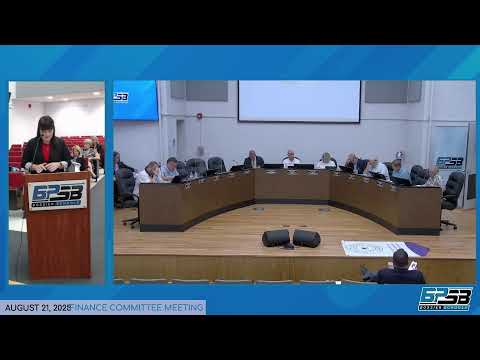
The Bossier Parish Schools Finance Committee on Aug. 21 approved a final revised budget for fiscal year 2024-25 that includes transfers totaling $29 million into district reserve and program funds, committee documents and discussion show.
Committee members voted to approve the budget in a motion by Miss Faulding, seconded by Dorby; the motion passed during the meeting. The budget presentation was given by Nisneesh Bamberg, finance staff member.
Bamberg said the budget shows roughly $300,000,000 in general fund revenues for the year and total expenses of about $311,000,000. "Salaries this year for the budget, we're budgeting $163,000,000. Benefits are right at $80,000,000," Bamberg said, noting roughly 78% of the general fund budget is salaries and benefits. The revised proposal recommends the following transfers out of the general fund: $2,000,000 to the Insurance Reserve Fund; $2,500,000 to the Child Nutrition Fund to reduce its accumulated loss; $12,500,000 to the Committed Construction Fund; and $12,500,000 to the Group Health Insurance Fund — a total of $29,000,000.
Why it matters: Bamberg told the committee the transfers are intended to shore up funds that face ongoing pressures. The proposed transfers leave the general fund with an estimated $10,000,000 operating loss for the year but maintain a reserve of about 16.7% of the general fund, above the board policy minimum of 12% and in line with the legislative auditors' two-month fund balance best practice.
On child nutrition, Bamberg described structural limits in how the program is reimbursed. "Child Nutrition says, you paid this many meals. This is your reimbursement rate. I'm going to give you this amount of money. I don't care what it costs you. This is what I'm giving you," Bamberg said, explaining the program is not a dollar-for-dollar reimbursement like many grants. He also noted participation gains during the COVID-era Everyone Eats Free program produced higher reimbursement levels that no longer apply, and that the department is using clustering of schools (Community Eligibility Provision clusters) to maximize reimbursements. Bamberg said Child Nutrition receives $1,500,000 in MFP funds that are moved to the program, and the requested $2.5 million transfer is meant to address prior-year and current shortfalls while program adjustments continue.
On the group insurance fund, Bamberg said the fund began the year with a roughly $14 million negative balance and, after the proposed $12.5 million transfer, would show about a $6 million positive balance; he also said the fund faces about a $6.5 million loss for the year before the transfer. He described large claimants and reinsurance dynamics as drivers of cost volatility and credited recent board actions — including approval of a biosimilar and multi-year premium increases — and a $5 million rebate that arrived this year for limiting the fund’s exposure. "That's the reason for recommending the $12.5 million transfer in for this year," Bamberg said.
The presentation also reiterated goals for the Insurance Reserve Fund (a target near $10,000,000) and the Committed Construction Fund (a goal discussed at about $40,000,000), both of which the presenter said were established in prior years to smooth capital and insurance-cost needs while the district has no recent bond funds available.
Discussion vs. decision: Committee members asked clarifying questions about reserve targets, the mechanics of child nutrition reimbursements and the drivers of health plan costs; those concerns were discussed before the committee moved to a vote and formally approved the revised budget and transfers. The committee recorded the budget approval as the meeting's first agenda action and then moved on to discussion-only items, including May financial statements.
The approved committee action will be incorporated into the district's fiscal records; the presenter noted the budget packet has not been posted yet and was awaiting committee approval.