
Washington Board of Adjustment OKs lot-size variance at 515 W. Second St.
Get AI-powered insights, summaries, and transcripts
Subscribe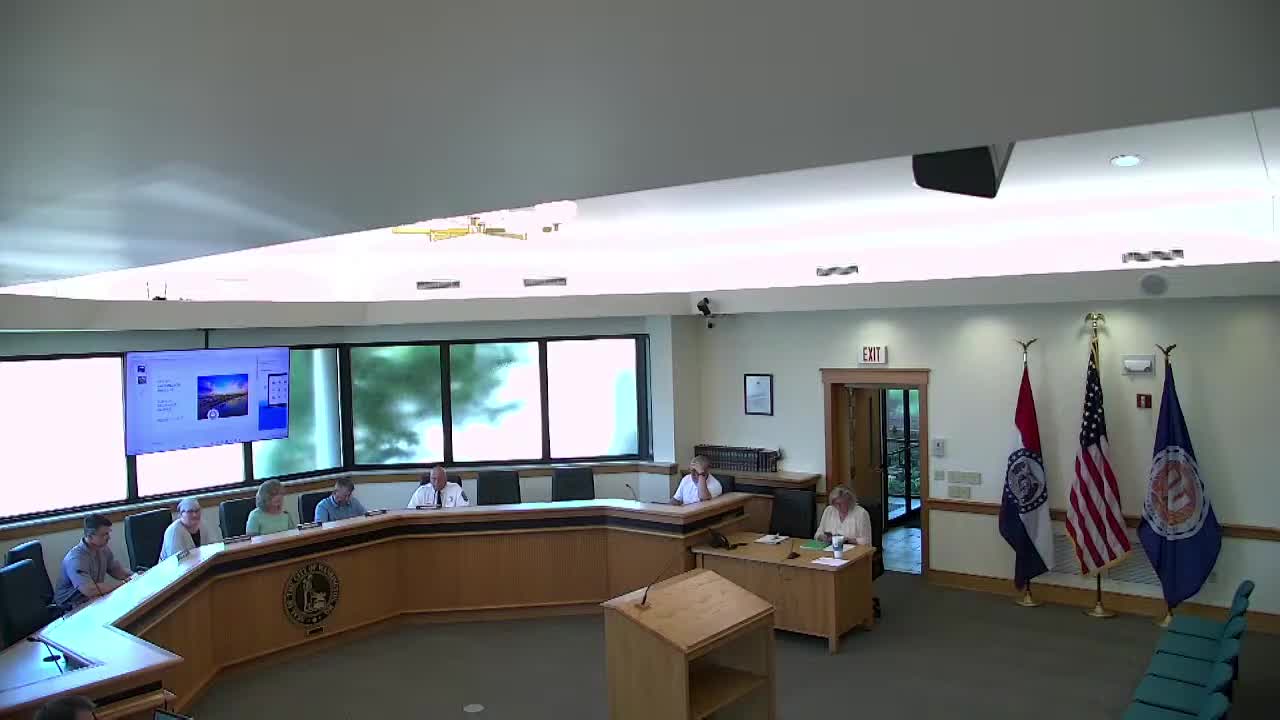
Summary
The City of Washington Board of Adjustment granted a variance reducing the minimum lot size from 6,000 to 5,780 square feet so a duplex at 515 West Second Street can be subdivided; the decision was unanimous and staff said the property will later seek rezoning to R1C.
The City of Washington Board of Adjustment on Monday, Aug. 11, granted a variance allowing a lot at 515 West Second Street to be reduced from the 6,000-square-foot minimum to 5,780 square feet so the owner can subdivide a duplex down the shared wall.
The variance matters because the subdivision is a prerequisite to a future rezoning request to R1C (single-family attached residential) that staff said would allow zero side setbacks needed for the two lots, and because staff signaled it will review whether the current 6,000-square-foot minimum remains appropriate for R1C zoning.
Board members approved the variance by roll call. The resolution states the variance is granted “provided that all of the ordinances and regulations of the City of Washington are met,” and directs the city zoning administrator to proceed with the related change-in-zoning request. City staff told the board that after a new planner starts, staff will compile how often similar variances have come before the board and may propose a code amendment to Planning and Zoning Commission and City Council.
Aaron Wagner of BFA Land Surveying, who described the property and the survey work, told the board the duplexes were not built centered on their lots and said the east neighbor at 513 West Second Street is already larger than 6,000 square feet. Wagner said lenders are driving the timing: “most banks are charging 2% more on interest rates, to not have this done,” and that higher financing costs make subdividing now financially necessary for owners.
The board’s resolution quotes City Code section 400.065(f)(4) on minimum lot area and specifies the new lot size. Staff reading the resolution told the board the zoning administrator should proceed with the change-in-zoning filing for R1C once the variance is final and any applicable conditions are met. No amendments to the motion were offered during the hearing.
The discussion was brief: one outside presenter, staff reading the resolution, and a short staff summary that noted the Planning and Zoning Commission had set the 6,000-square-foot minimum when R1C was created several years ago and that staff would revisit that threshold. The board adjourned immediately after the vote.
What happens next: the applicant will proceed with the zoning application to R1C and the city planner will report to Planning and Zoning and City Council if staff recommends a code amendment to the R1C minimum lot size. The resolution requires compliance with city ordinances and regulations before any subdivision is finalized.