
Councilors press for clearer development fees, code updates and temporary-sign rules after vendor complaints
Get AI-powered insights, summaries, and transcripts
Subscribe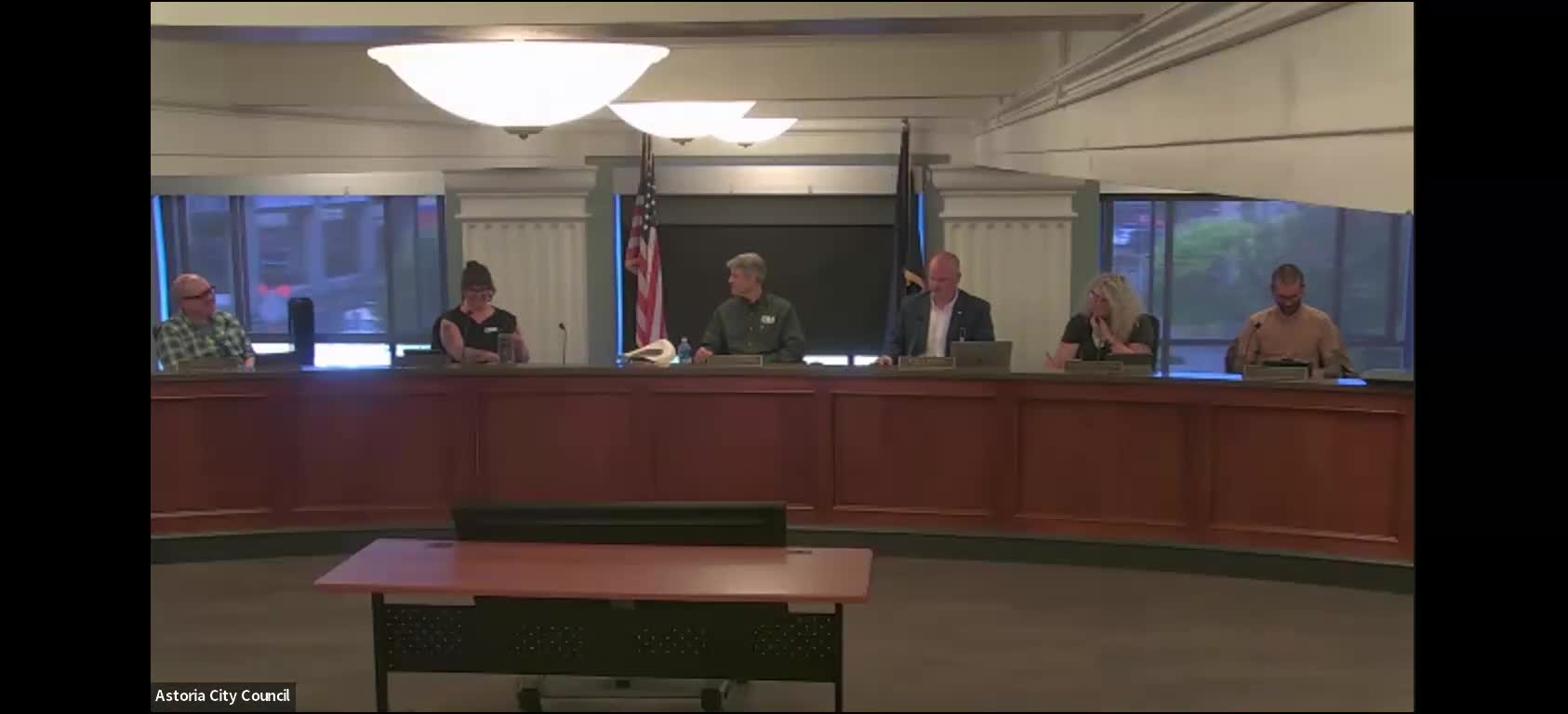
Summary
Councilors asked staff for clearer SDC and change-of-use information and considered whether the pending development code audit might address rules on temporary signage after a farmers market volunteer said directional signs are being denied.
Several councilors on July 21 urged staff to make development fees and temporary-permit rules easier to understand after a public comment and council discussion highlighted businesses and vendors struggling with change-of-use charges and a loss of visibility at a relocated farmers market. Councilor Mozzarella described a constituent who decided not to build an accessory dwelling unit because system development charges increased the project cost. He asked for an easy-to-use breakdown of how SDCs are calculated (water and sewer meter size, stormwater impervious area, traffic trip-generation differences using the Institute of Transportation Engineers manual) and suggested creating a supplemental assistance program to support housing development. City staff said the water SDC is based on meter size, stormwater charges on impervious square footage and traffic impact is calculated using national ITE trip-generation rates; parks impact was not part of the SDC calculation discussed. During public comment, Lisa Morley, a volunteer for the Astoria Uptown Business Association, said the Thursday farmers market (2–6 p.m.) moved to a shaded Riverwalk location but vendors are losing sales because the market cannot place directional signage or sandwich boards; she said the city has repeatedly denied requests for simple temporary signage or provided no alternatives. Morley said vendors who previously thrived in the high-visibility site have lost customers and some vendors are dropping out because revenue is insufficient to cover setup costs. Councilors asked whether the pending development review audit could examine signage and code barriers. City staff said the audit’s scope is focused on permitting and land-use application processes (site plan review and submittal streamlining) and that signage regulations are part of the development code; staff suggested the audit could inform larger code updates but would not automatically change temporary-sign enforcement. Councilor Davis earlier requested a tribal consultation policy in a separate follow-up; staff and council welcomed the idea of a clear consultation blueprint for projects such as library renovations. Councilors asked staff to collect and publish clearer SDC guidance and to consider whether code or administrative changes (including possible temporary-sign permits or alternative approaches) should be included in future work sessions or the development review audit outreach.