
Kirtland officials say pump-and-treat has cut jet-fuel plume; next step is formal cleanup plan
Get AI-powered insights, summaries, and transcripts
Subscribe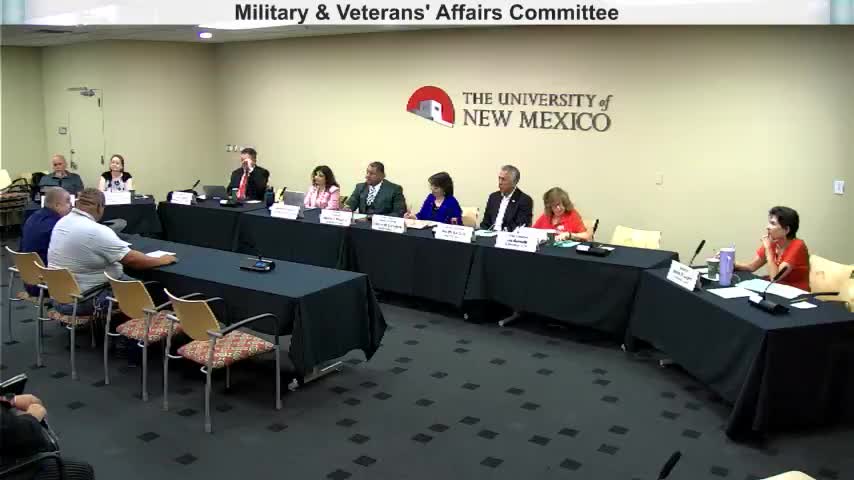
Summary
KIRTLAND AIR FORCE BASE, N.M. — Officials said Wednesday that interim cleanup systems have sharply reduced a decades-old jet-fuel contamination beneath Kirtland Air Force Base and that the Air Force has submitted a Phase 2 investigation report that moves the site closer to formal selection of a long-term cleanup method.
KIRTLAND AIR FORCE BASE, N.M. — Officials said Wednesday that interim cleanup systems have sharply reduced a decades-old jet-fuel contamination beneath Kirtland Air Force Base and that the Air Force has submitted a Phase 2 investigation report that moves the site closer to formal selection of a long-term cleanup method.
The Albuquerque Bernalillo County Water Utility Authority and the Air Force Civil Engineer Center said a groundwater “pump-and-treat” operation has reduced the key contaminant, ethylene dibromide (EDB), in the treated zone and remains the primary measure preventing migration of contamination toward municipal supply wells. The New Mexico Environment Department (NMED) is reviewing the Phase 2 report and related plans before the parties formally evaluate and select a corrective remedy.
Why it matters: The fuel leak, discovered in 1999 but believed to have occurred much earlier, affected shallow and deep soils and groundwater in the aquifer used for municipal water. Local water officials said they have not detected the fuel contaminant in public supply wells and are pushing for a contingency plan to ensure clean drinking-water access if monitoring ever shows an impact.
The evidence so far: “These wells have reduced 95% of the EDB in the targeted area,” said Ryan Wortman, a physical scientist with the Air Force Civil Engineer Center, describing the effect of four extraction wells and the ongoing groundwater treatment system. Kelsey Bicknell, environmental manager for the Albuquerque water authority, said the site is “moving into, and closing out this investigation phase” with submission of the Phase 2 report to NMED for review.
What officials told the committee: The Air Force and NMED briefed the Legislature’s Military and Veterans Affairs Committee on the corrective-action process under the Resource Conservation and Recovery Act (RCRA). John David Nance, hazardous waste bureau chief at NMED, said agency reviewers are working through the large Phase 2 report and related monitoring plans and have been coordinating with third-party technical staff to speed a thorough review.
State and local concerns: Water Authority staff emphasized the need for an explicit contingency plan to protect municipal supply wells. The authority installed an independent monitoring well in 2022 to provide early warning and monitors the nearby supply wells monthly. “If we were to ever detect ethylene dibromide in one of our supply wells, that well would be turned off,” Bicknell told lawmakers.
What’s next: If NMED concludes the investigation is complete, the project will move to a Corrective Measures Evaluation, when the Air Force will propose several remedial alternatives for public review. Officials said interim measures — including soil-vapor extraction operated earlier and the current pump-and-treat system — will continue until a final remedy is selected and implemented.
Background and scale: The fuel contact with groundwater happened decades ago and the plume extends in the groundwater beneath and off the base. Wortman said the groundwater level at the site averages roughly 450 feet below land surface; the pump-and-treat system and earlier soil-vapor extraction operations removed large quantities of fuel-phase and vapor-phase contamination and limited further migration.
Public outreach: The Air Force and partners scheduled an open house at the groundwater-treatment facility for July 17 to let neighbors see the equipment and to explain monitoring and protection measures.
Where questions remain: Regulators and local officials said they want clearer documentation of the extent of contamination, especially the dissolved benzene plume that also exceeds cleanup levels in parts of the site, and any remaining source fuel in submerged smear zones that could continue to replenish groundwater contamination over the long term.
Bottom line: Officials said current interim treatment is protecting municipal wells and the Phase 2 submission advances the site toward formal remedy selection, but the cleanup will be measured in years to decades and will require continued technical review, monitoring and coordination among the Air Force, NMED and local water authorities.