
Las Cruces nonprofit describes Camp Hope, veteran housing and rapid‑rehousing efforts
Get AI-powered insights, summaries, and transcripts
Subscribe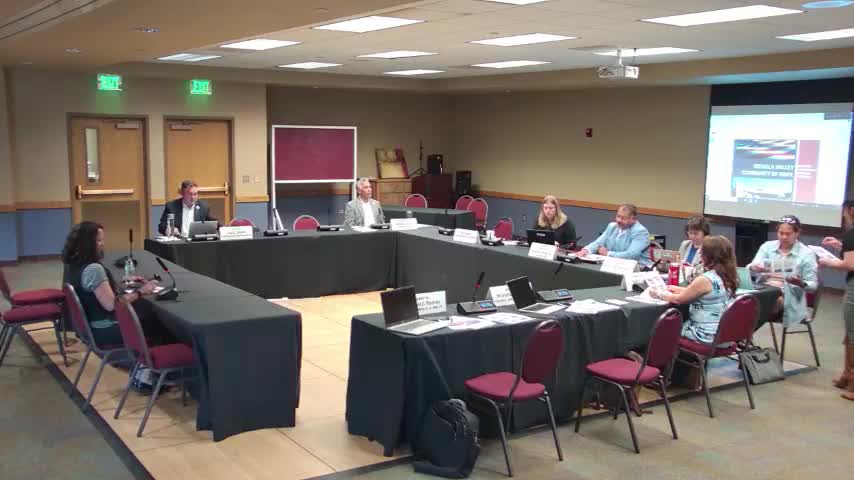
Summary
Nicole Martinez, executive director of Mesilla Valley Community of Hope, told lawmakers the organization operates a day center, Camp Hope (a low‑barrier outdoor shelter), supportive housing projects and veteran‑specific services that housed hundreds of veterans last year, and warned that federal policy shifts could affect future support.
Nicole Martinez, executive director of Mesilla Valley Community of Hope, told the Legislative Veterans and Military Affairs Committee that the nonprofit operates an on‑site day center, a low‑barrier outdoor shelter called Camp Hope, and several supportive‑housing projects and veteran programs in Las Cruces. "We still act as a day shelter," Martinez said, outlining services including mail and ID assistance, housing navigation, benefit advocacy and a day‑labor program that connects people to paid cleanup and landscaping work. She said the organization served 10,894 people last year and 582 veterans. Martinez described Camp Hope — a city‑authorized, tent‑style safe outdoor space adjacent to the Community of Hope campus — as a low‑barrier program that shelters up to 50 people nightly and permits animals. Staff and outreach teams meet residents daily, help them sign up for housing and link veterans to the organization’s units set aside for formerly unhoused veterans. The organization operates veteran‑targeted housing in partnership with the Mesilla Valley Public Housing Authority, including a 22‑unit complex for veterans exiting homelessness and a 40‑unit permanent supportive housing property called Desert Hope Apartments with veteran preference. Martinez said the agency typically houses most unhoused veterans in fewer than 30 days and offers supportive services funded through HUD VASH, VA SSVF, state DVS grants and ESG funding. Martinez also described therapy and suicide‑prevention services funded by the New Mexico Department of Veterans Services. She gave an example of funding used to board a veteran’s pet so the veteran could accept emergency mental‑health treatment. Martinez warned that federal housing policy proposals under consideration could introduce time limits or other changes to long‑term supportive programs and said that would increase pressure on state and local resources. Committee members asked about encampments in the Bosque and jurisdictional coordination; Martinez said the nonprofit and city outreach teams regularly visit encampments, prioritize de‑escalation, provide notice and try to link residents to Camp Hope or housing rather than pursue criminal enforcement. Martinez emphasized the agency’s low‑barrier approach and its reliance on philanthropic and state funding to supplement federal grants. "We think that's also because we have expanded our services," Martinez said of the increased sign‑ins at the day center, and she asked legislators to continue funding and supportive partnerships that keep veterans and other unhoused people housed and connected to care.