Get Full Government Meeting Transcripts, Videos, & Alerts Forever!
Get email alerts on the Immigration Enforcement Transparency topic
No spam. Unsubscribe anytime.
Residents press council to require ICE agents to show badges and identify themselves during operations
Summary
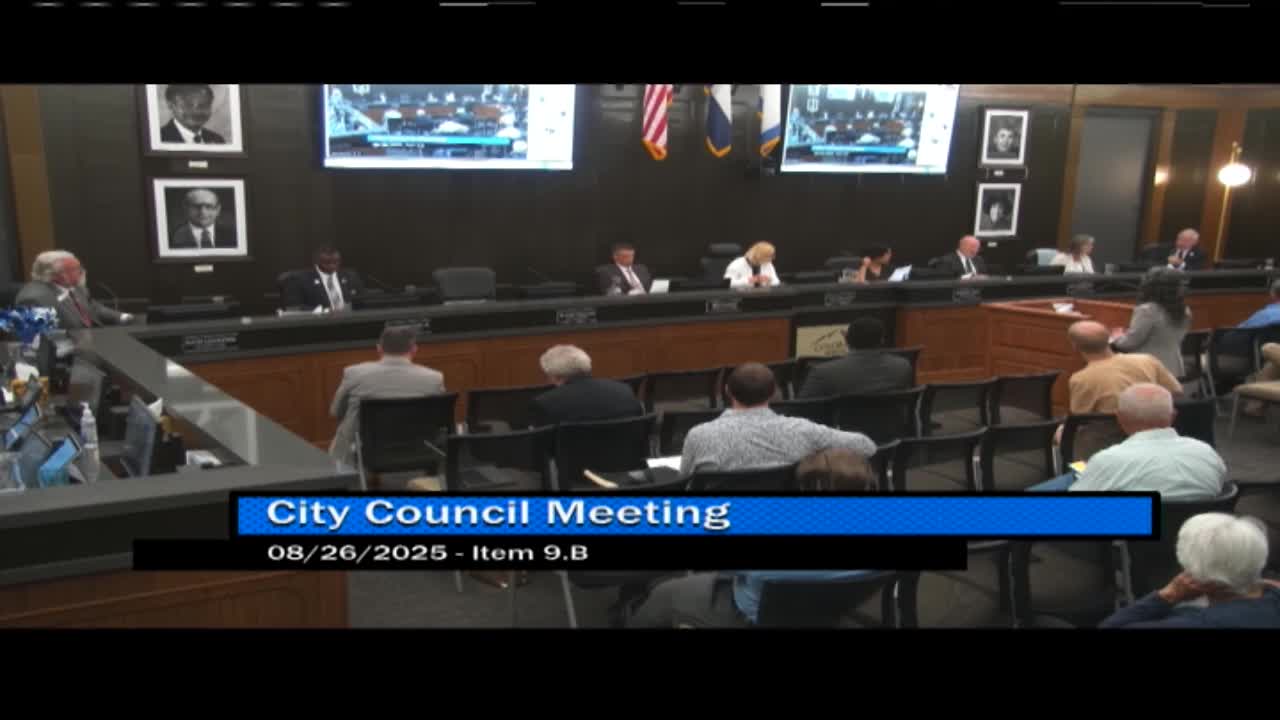
Dozens of residents used the public comment period to call for greater transparency and accountability when federal immigration agents operate in town — urging visible identification, unmasking, and clearer cooperation rules with local law enforcement. The police chief said state law restricts CSPD cooperation with immigration enforcement.
Colorado Springs — A series of public commenters urged the City Council Tuesday to adopt a resolution requiring U.S. Immigration and Customs Enforcement agents to clearly identify themselves and not wear masks during enforcement actions in the city, saying unmarked or masked personnel have sown fear in neighborhoods and complicated local policing.
Several speakers recounted recent local incidents in which masked, armed agents detained people in public or private settings. Dina Kim and Sean Maddox presented petitions (approximately 200 to 500 signatures reported from different organizers) asking the council to require visible agency affiliation, badge numbers and supervisor contact information during operations. Naomi Rockefeller and other speakers described the psychological toll on children and families from masked enforcement actions.
Council members and the police chief responded that the city’s authority over federal agency operations is limited. Council Member Henjem read a statement from the police chief confirming that the Colorado Springs Police Department “does not engage or cooperate in immigration enforcement,” and noted state law restricts local inquiry into immigration status. Henjem said the council lacks authority to control ICE operational policies but encouraged public engagement and local advocacy.
Speakers urged nonbinding local policy measures and encouraged residents to run for office, organize and press for transparency at the federal level. Several speakers stressed that requiring visible identification is a public-safety measure that helps neighbors and local police distinguish official agents from imposters.
Outcome: The council did not adopt any ordinance or resolution on the subject at the meeting; public comments and a police-department statement were entered into the record. Council members acknowledged limited local authority but encouraged continued civic engagement and indicated they would consider possible local nonbinding actions where legally available.