Get Full Government Meeting Transcripts, Videos, & Alerts Forever!
Get email alerts on the Budget Adoption topic
No spam. Unsubscribe anytime.
Council refers 10-year CCIP sales-tax renewal to voters after scaling and project adjustments
Summary
Fort Collins City Council voted unanimously to place a 10-year, quarter-cent Community Capital Improvement Program (CCIP) sales-and-use tax renewal on the November ballot after staff and council refined the list of projects; the package totals roughly $102.7 million and preserves allocations to housing, parks and other city priorities.
Fort Collins City Council voted 7–0 to adopt a resolution submitting a 10-year renewal of the expiring quarter-cent Community Capital Improvement Program (CCIP) sales-and-use tax to the November ballot. The proposed package is intended to fund a set of capital projects and programs across housing, recreation, parks, transportation and environmental priorities.
Why it matters: The CCIP renewal is the city’s primary local funding lever for capital improvements that voters authorized previously. The renewal would not increase the current rate but would extend the tax for 10 years and allocate funds to projects the council and staff prioritized through public outreach.
What council approved: Staff presented an 18-project package totaling approximately $102.7 million over 10 years, funded by an estimated $11 million per year in sales-tax revenue. The package includes increased allocations for affordable housing (the proposal retains $10 million over the 10 years, with public comment urging larger allocations), park and recreation investments, pedestrian and bicycle infrastructure, and a new $7 million composting infrastructure project that was added late in the process. To accommodate the composting line, the historic trolley building renovation was scaled from about $6.8 million to $2.2 million and the downtown park shop project was scaled from $7.9 million to $5.5 million; staff said the remaining costs would be covered by other sources such as the 2050 tax and parks capital-expansion fees.
Budget and structure: Staff said the quarter-cent measure is expected to generate roughly $11 million per year, for roughly $110 million over 10 years; the CCIP package presented to council is budgeted at $102.7 million and includes inflation planning. The package categories mirror past CCIP work: investments in recreation/parks, transportation, public safety and environmental infrastructure. Council and staff emphasized that the package spreads benefits across neighborhoods rather than concentrating funding in a single project type or location.
Public comment and contention: Dozens of speakers during public comment urged council to allocate more funding to affordable housing; multiple housing advocates asked the council to reallocate excess funds from the expiring CCIP into housing to reach $20–25 million over the term. Other commenters urged funds for bike-park development and maintenance and for natural-area protection. Some speakers raised concerns about long-term maintenance costs for new amenities and about tradeoffs when capital dollars are reallocated.
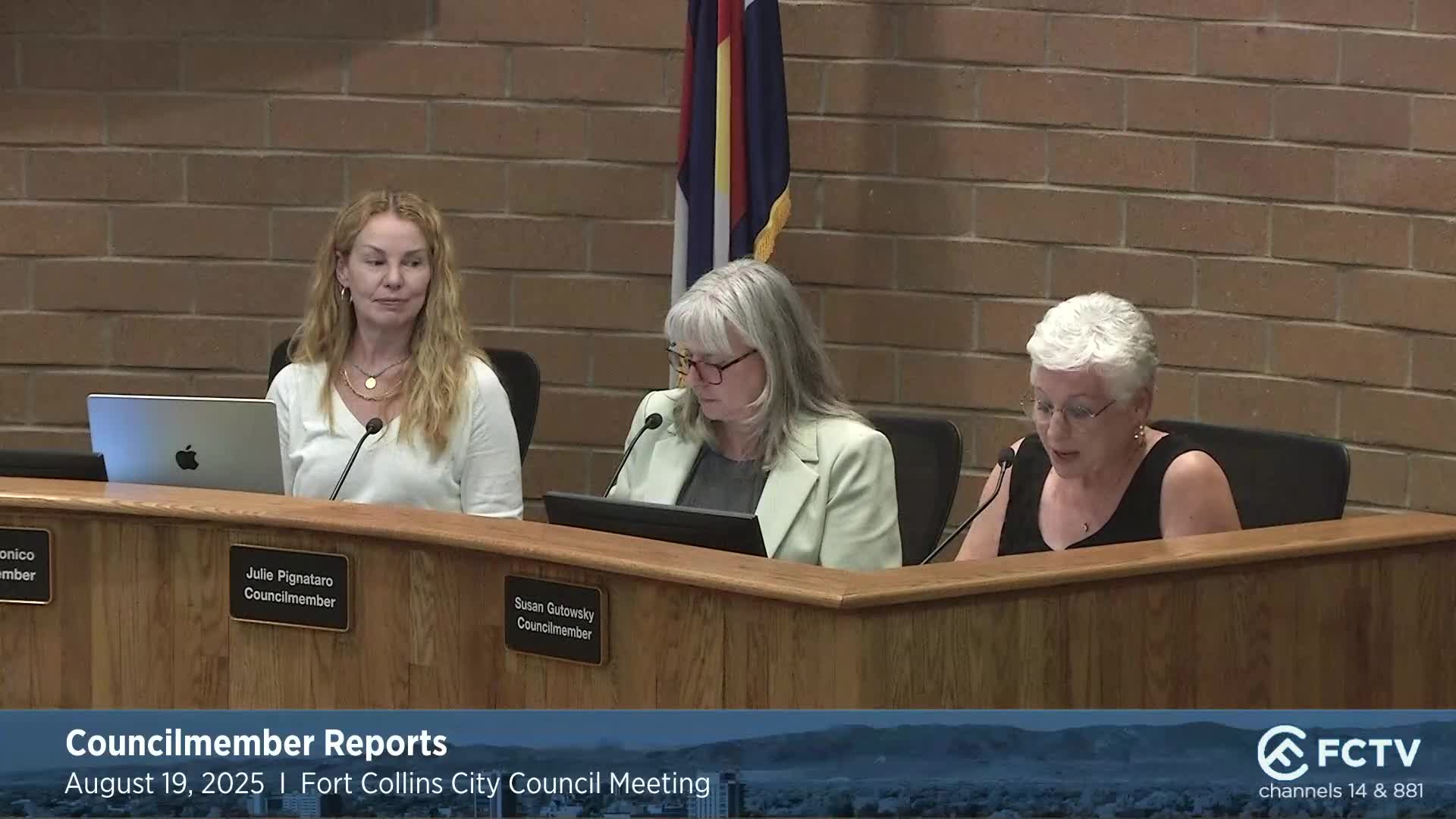
Council discussion: Councilmembers thanked staff and the finance committee for sustained outreach. Members noted the package reflects years of iterations and public feedback; councilmembers asked staff to return with follow-up memos on specific items including the southeast community center funding scenario (the council previously discussed using some expiring CCIP surplus for that center) and on certain right-of-way acquisitions where the city may walk into eminent-domain processes if private acquisitions fail. Several councilmembers emphasized continuing work on broader affordable-housing funding solutions beyond the CCIP allocation.
Decision and next steps: The council adopted Resolution 2025–77 by roll call, 7–0, directing staff to place the CCIP renewal on the November ballot. Staff will publish the final ballot summary and the voter information guide; councilmembers and staff indicated they will continue outreach and prepare follow-up memos on questions raised during the hearing.
Details to watch: The package balances varied priorities and includes a late addition (composting infrastructure, $7 million). Housing advocates remain vocal in asking the council to reexamine allocations and pursue additional funding strategies; staff said they will continue to explore other tools (fee waivers, direct equity, low-interest loans) to accelerate affordable-housing projects.