
State outlines permitted uses, audits and enforcement for opioid settlement funds
Get AI-powered insights, summaries, and transcripts
Subscribe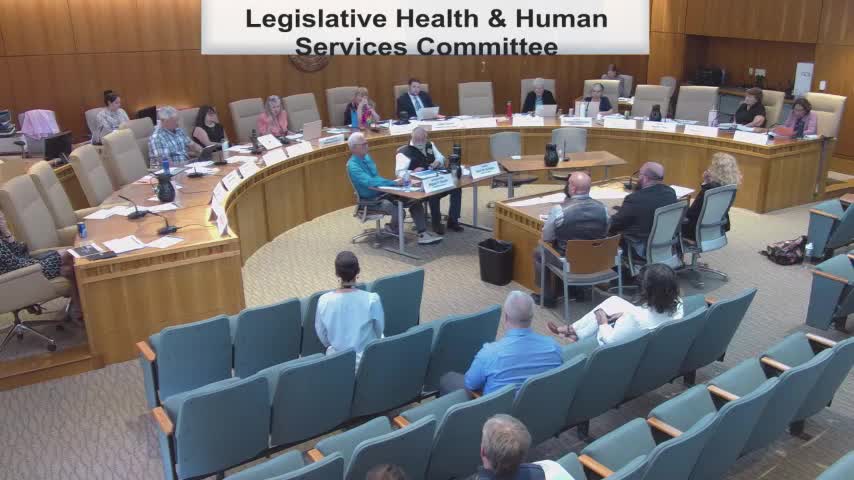
Summary
New Mexico Department of Justice and state officials described settlement terms, approved uses for abatement funds and the state-local allocation agreement that splits proceeds; DOJ said it enforces compliance and the State Auditor will audit spending.
Joanne Mead, general counsel for the New Mexico Department of Justice, told the Legislative Health & Human Services Committee that the state has settled multiple opioid-related actions and that those settlement agreements specify allowable uses and enforcement tools.
Mead said the agreements generally authorize ‘‘abatement’’ spending to reduce opioid harms and listed core strategies included in most settlements — naloxone, medication-assisted treatment, treatment for neonatal abstinence syndrome, warm handoffs to recovery services, syringe service programs, justice‑system treatment, prevention and data collection.
The New Mexico settlements include both independent, state-filed agreements and national multistate settlements handled through national administrators, Mead said. She identified BrownGreer as the settlement administrator handling the Mallinckrodt national settlement and said most national distributor settlements are overseen by a bipartisan multistate advisory committee. "All the settlements have general terms around what the settlement monies can be used for. Mostly, it's referred to as abatement," Mead said.
Mead described the New Mexico opioid allocation agreement, under which local governments receive 55% of settlement proceeds and the state receives 45%. The allocation agreement requires local governments and the state to create separate funds for abatement receipts, limits use to the approved abatement categories, and makes those funds subject to annual audit under the New Mexico State Audit Act, she said.
Mead added that the Department of Justice’s role includes enforcing injunctive provisions and other non‑monetary settlement requirements in addition to monitoring payments, and that some settlements offer product remedies in lieu of cash when allowed by the agreement.
Why it matters: committee members pressed on whether settlement funds can support non‑public entities and how the funds relate to broader behavioral‑health planning under recent legislation. Mead and other presenters clarified the allocation and auditing requirements that govern use of the monies and described enforcement responsibility for compliance by defendants and audit oversight of recipients.
Mead stood for questions after her overview; legislators then questioned DOJ, county jail and health department presenters about how counties and state agencies plan to use funds for local programs and coordination with the state behavioral health planning effort.