
Frontier Food Hub, La Semia and other hubs say aggregation and distribution services connect small producers to institutional buyers but need more scale
Get AI-powered insights, summaries, and transcripts
Subscribe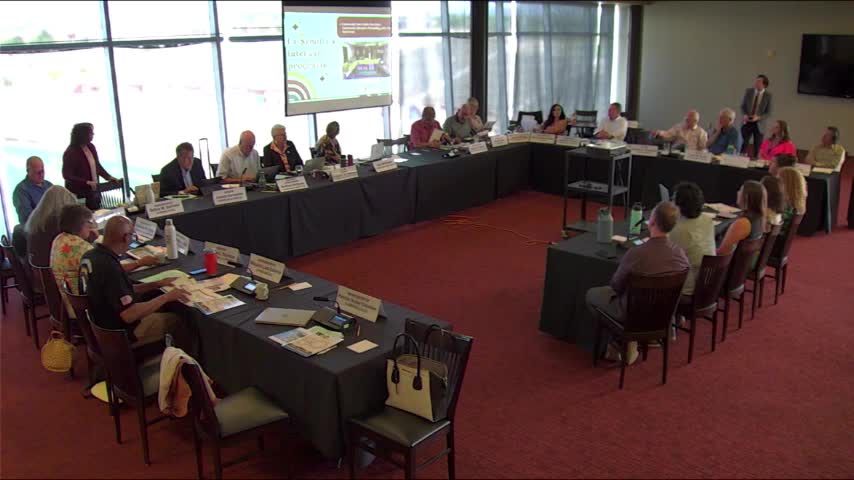
Summary
Representatives from Frontier Food Hub, La Semia Food Center and other regional hubs described aggregation, refrigerated routing and buy‑side coordination that have helped pay producers promptly and grow local sales; they requested continued grant support for cold storage, vehicles and operating costs.
Mario Guin (Las Semias / La Semia Food Center) and Johannes Lenzer (National Center for Frontier Communities, Frontier Food Hub) told the committee that food hubs provide essential aggregation, marketing and distribution services that let small farms sell into schools, senior centers and retailers.
How hubs operate: Guin described La Semia’s Farm Fresh program, which aggregates produce from about 20–25 small growers (many less than one acre) to supply schools, senior centers and produce‑prescription programs; he said hubs also provide food‑safety and market‑readiness training and operate education programs that teach consumers how to cook unfamiliar produce. Lenzer said Frontier Food Hub purchases from producers, promptly pays them, invoices buyers and runs refrigerated routes between El Paso, Las Cruces, Silver City and Albuquerque to move product across the state.
Financial and operational constraints: Panelists said hubs face high operating costs for refrigerated vans, walk‑in coolers and vehicle leases; Frontier reported driving about 1,800 miles a week on its routes and distributing roughly $50,000 per month in gross sales for New Mexico producers along a north–south corridor. Hubs said the Healthy Food Financing Fund and other grants were used to expand cold‑storage and purchase material‑handling equipment; Lenzer said NM‑funded equipment at Frontier allowed it to double walk‑in cooler capacity.
Committee takeaway: Hubs say state grants and technical assistance are catalysts to scale aggregation and distribution, but long‑term viability requires steady operating support, workforce development and route feasibility work so producers can rely on year‑round institutional demand.