State economic development and food financing programs outline grants, distribution studies and cold-storage projects
August 18, 2025 | Water & Natural Resources, Interim, Committees, Legislative, New Mexico
This article was created by AI summarizing key points discussed. AI makes mistakes, so for full details and context, please refer to the video of the full meeting. Please report any errors so we can fix them. Report an error »
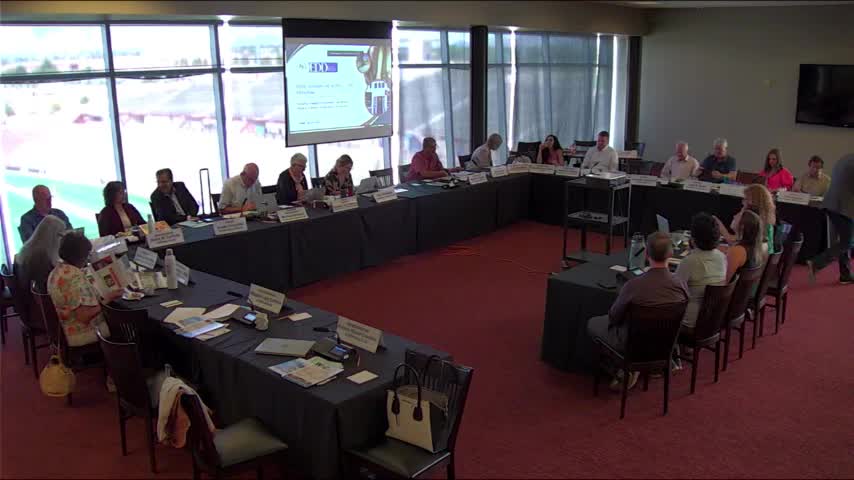
Why it matters: Multiple presenters told the committee that insufficient mid‑supply‑chain capacity — cold storage, back‑of‑store processing and transportation routes — limits how much local food can be moved from small producers into schools, grocery stores and community nutrition programs. Ortigosa said EDD will also launch a feasibility study on sustainable local food transportation routes to evaluate economics of new delivery options for rural, tribal and frontier communities.
Program highlights and outcomes: Ortigosa said the Healthy Food Financing Fund and sister programs have supported dozens of projects statewide (more than 41 grants implemented to date, $1.7 million invested and roughly $1.5 million more planned this fiscal year) and that beneficiaries on average work with 12 or more local vendors. She gave a retail example: a woman‑owned grocery in Mountainair that expanded cold‑storage and display capabilities and now sells more than 16,000 pounds of local food annually.
Next steps and technical assistance: EDD will open a no‑cost technical‑assistance track (New Mexico Food Pathways) to provide business consulting, application support for SNAP acceptance, and access to capital via low‑interest loans and grants. Ortigosa also described a community of practice for distribution and retail operators to share best practices, plus coordination with the Resilient Food System Infrastructure implementation program and other agency partners.
Committee action requested: Panelists asked lawmakers to continue funding grants and feasibility work and to consider infrastructure investments that reduce barriers for small and mid‑scale processors and distributors.
Don't Miss a Word: See the Full Meeting!
Go beyond summaries. Unlock every video, transcript, and key insight with a Founder Membership.
30-day money-back guarantee
Sponsors
Proudly supported by sponsors who keep New Mexico articles free in 2025

