
State approves Actiflo pretreatment system for Las Vegas municipal water plant
Get AI-powered insights, summaries, and transcripts
Subscribe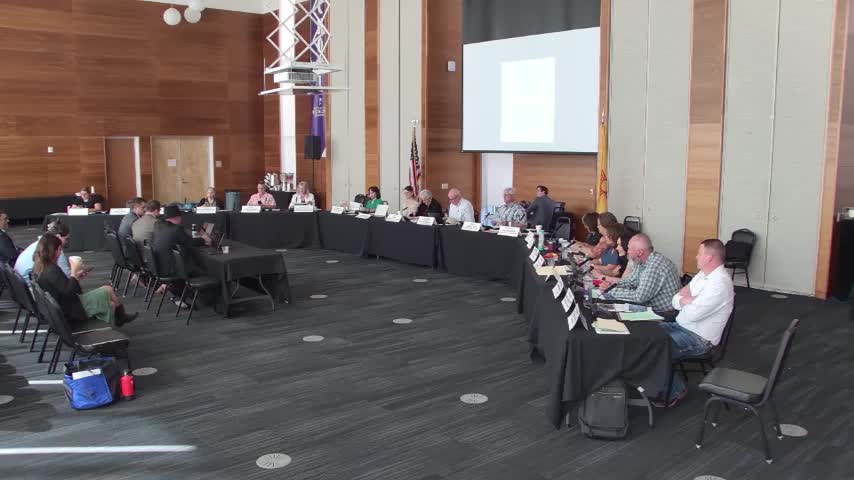
Summary
New Mexico Environment Department says it has certified a temporary-to-permanent Actiflo pretreatment unit at the City of Las Vegas water plant after multi-year work with the city and manufacturer to address post‑fire/flood turbidity.
The New Mexico Environment Department has granted full certification for an Actiflo pretreatment system at the City of Las Vegas municipal drinking-water plant, agency staff told the House Water & Natural Resources Committee.
The certification follows a temporary approval and “some back and forth” between the city, the manufacturer Actiflow and the department, Jonas Armstrong of the NMED Drinking Water Bureau said. “We finally yesterday … provided the full certification for them to continue operating that pretreatment system as part of their drinking water treatment process,” Armstrong said.
The approval is intended to help the city manage elevated turbidity tied to recent wildfires and floods; Armstrong cautioned the pretreatment unit “is not a stand in for replacement of their system in the long run” but offers “a longer runway” while the city plans a permanent solution.
A department staffer said FEMA provided major design and construction funding for the city’s drinking-water replacement: $98,000,000 currently in hand for construction, $2,600,000 for design and a larger FEMA allocation of $140,000,000 tied to the overall recovery. Armstrong said the emergency pretreatment facility itself has about $5,400,000 awarded for implementation, down from an initial request near $11.6 million based on FEMA documentation and sustainment requirements.
NMED staff said they could explain where the pretreatment sits inside the treatment train but could not confirm the municipal funding sources for the equipment; the city and FEMA remain principal sources of financing and documentation. The department also reminded communities that other state funding — including revolving loan funds and a flexible rural infrastructure program — can be used to help systems prepare for and respond to fire and flood emergencies.
The NMED presentation came as committee members and state agencies described an array of post‑fire infrastructure needs across New Mexico, from roads to watershed work to reforestation. The department said it will continue offering technical assistance and meeting with communities seeking funding or operational guidance.
Armstrong and other NMED staff said the department had provided hundreds of hours of technical support during recent fire and flood events and remains involved where systems must “maintain compliance with our regulatory standards that are in place to protect public health.”