Get Full Government Meeting Transcripts, Videos, & Alerts Forever!
Get email alerts on the Early Childhood Native American topic
No spam. Unsubscribe anytime.
New Mexico outlines Native American early-childhood advisory coalition and 'Sacred Beginnings' learning tour
Summary
The Early Childhood Education and Care Department described a Native American early-education office, a tribal advisory coalition and a planned 'Sacred Beginnings' learning tour to strengthen language, cultural immersion and coordination with tribal programs across New Mexico.
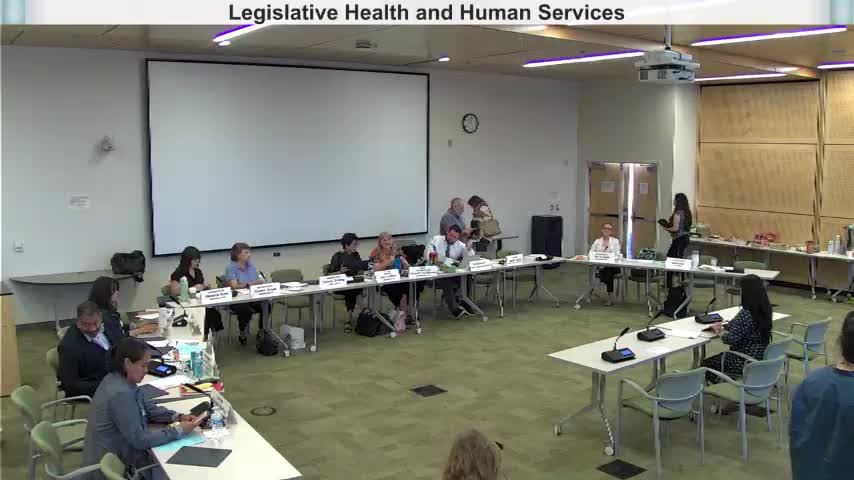
The New Mexico Early Childhood Education and Care Department (ECECD) presented an overview of its Native American early-education office and the New Mexico Early Childhood Tribal Advisory Coalition (NEMECTEC) to the Legislative Health & Human Services Committee on Aug. 20.
Dr. Joni Suena, assistant secretary for Native American early education and care, described a coalition of tribal-appointed representatives and a forthcoming "Sacred Beginnings" learning tour designed to spotlight tribal language- and culture-based early-childhood programs and to guide agency policy and technical assistance.
Why it matters: ECECD officials said the office and coalition intend to strengthen government-to-government consultation, aggregate data about Native children’s participation in programs and align state technical assistance and funding to tribal priorities and culturally grounded curricula.
Presentation highlights - Office and mission: Dr. Suena, an enrolled member of Pueblo de Cochiti and former Head Start director, said the office is the only state-level Native American early-education office of its kind in the nation and was created to support tribal sovereignty, language immersion and culturally responsive prenatal-to-5 systems. - Tribal advisory coalition (NEMECTEC): The coalition, established in 2022, includes representatives appointed by tribal leadership; at the time of presentation it included representatives from 19 nations, Pueblos or tribes. The coalition advises the department on consultation, programming and tribal investments. - Sacred Beginnings learning tour: ECECD plans visits beginning in September to tribal early-childhood centers to observe language-immersion models, curricula and family engagement practices with the aim of informing FY27 policy and funding strategies. - Data and partnerships: Dr. Suena said the office is working to refine data collection so that state-level reporting can be disaggregated to the tribal level. The office also works with tribal colleges, language nests and Head Start, and seeks to ensure materials and outreach are culturally relevant.
Questions and committee discussion - Legislators asked about facilities, facility assessments and whether tribal colleges and technical institutions (for example, Navajo Technical University) could be partners for lab programs or workforce pathways. Dr. Suena said the department is compiling facility assessments and working with consultants to identify needs. - Representatives asked about urban Native children and disability services: Dr. Suena said ECECD seeks broader urban representation and partners such as EPICS (Education for Parents of Indian Children with Special needs), New Mexico School for the Blind and Visually Impaired and New Mexico School for the Deaf to ensure disability supports are included. - Several members praised Cochiti Pueblo’s language-immersion and program model and invited legislators to join site visits.
Programmatic details and outreach - ECECD said it maintains a roster of tribal liaisons and staff to provide one-on-one technical assistance; materials (reports and outreach packets) were distributed to committee members. - The learning tour will include tribal leadership, center directors and program staff and aims to elevate best practices and inform technical-assistance priorities, culturally grounded assessment tools and future tribal investments.
Ending Dr. Suena invited committee members to the learning tour and offered ECECD assistance in providing county- or tribe-specific data snapshots on native children’s participation in state programs. Committee members expressed support and asked ECECD to continue strengthening data collection and coordination with other agencies.