
State recruiter urges coordinated funding and agency capacity to fill nearly 900 provider vacancies
Get AI-powered insights, summaries, and transcripts
Subscribe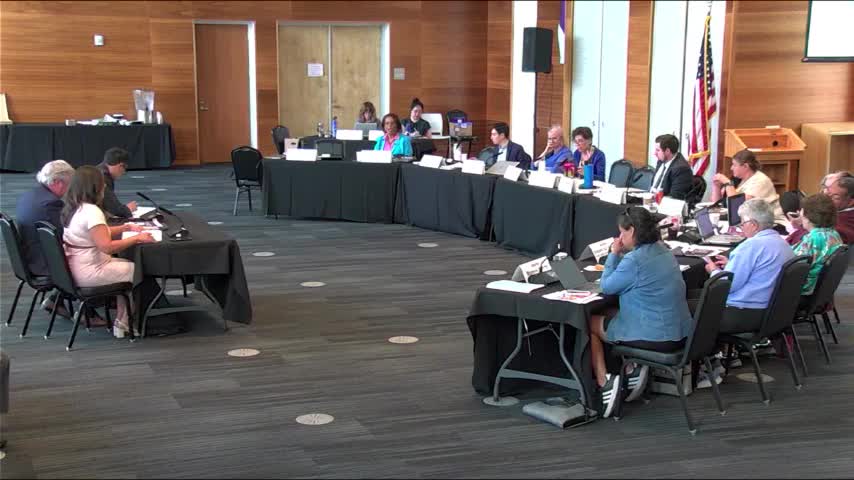
Summary
New Mexico Health Resources told the Legislative Health & Human Services Committee the state faces growing health‑provider shortages — the group's vacancy list rose from 671 to 889 — and urged targeted funding for recruitment, loan repayment and workforce coordination.
Jerry Harrison, executive with New Mexico Health Resources, told the Legislative Health & Human Services Committee that health‑care vacancies in the state have increased and called for renewed funding and clearer coordination of recruitment programs.
Harrison said New Mexico Health Resources — a nonprofit that performs centralized recruitment for rural clinics and critical‑access hospitals under a Department of Health contract — "receive[s], specifically for recruitment, about $372,000 to do what we call, active recruitment." He told lawmakers the organization's tally of known vacancies grew from 671 a year earlier to 889 at the time of his presentation.
Why it matters: Committee members heard that shortages affect primary care, behavioral health and specialty coverage across rural and urban communities. Presenters said workforce programs operate in multiple agencies — Higher Education Department, Department of Health, University‑based workforce committees — and that legislators should direct funding to the entities actually doing recruitment and retention work.
Current programs and proposals: Harrison and Melissa Candelaria, New Mexico Health Resources’ chief operating officer, reviewed state programs that support recruitment and retention: the Rural Primary Health Care Act (salary/benefit supplements for safety‑net providers), the New Mexico Health Service Corps (stipend/loan repayment), federal National Health Service Corps placements, and the Conrad J‑1 visa program for international medical graduates. Harrison proposed larger appropriations in several places: restoring Rural Primary Health Care Act funding (he cited historical funding of about $20.5 million in 1981 and a present fund balance near $6 million), increasing funding for the New Mexico Health Service Corps (Harrison proposed $5,000,000), and allocating $100,000 to the Social Work Workforce Consortium.
Melissa Candelaria described New Mexico Health Resources’ recruitment methods and outreach. "It's right on our website, nmhr.org. Anybody can click on it and submit their health professional vacancies to us," she said, describing an online vacancy survey and regular outreach to community health centers, professional conferences and schools. She said the group attends national career fairs and works with residency programs and rural employers to place candidates.
Loan repayment and training: Committee members asked about who receives loan repayment awards. Harrison said recent awards total roughly 500 recipients, with nurses, social workers and physicians among awardees, and that state funding increases have expanded those awards. He noted that loan repayment programs require a full‑time service commitment (typically three years for state programs) and that some national studies on retention are ongoing.
System gaps and technical recommendations: Harrison advocated funding a well‑staffed statewide workforce center to go beyond license counts and measure service access (appointment wait times and time to first appointment). He also noted administrative hurdles when state departments attempt rapid recruitment activities and recommended legislators review which agency structures are best positioned to house targeted recruitment initiatives.
Questions and follow‑up: Lawmakers pressed for more granular data by profession and geography and for studies to explain drivers of attrition. Harrison and Candelaria said they would provide additional data and encouraged lawmakers to consider programmatic appropriations that directly support recruitment operations and loan repayment incentives.
Ending: The committee thanked New Mexico Health Resources for the briefing and invited follow‑up reporting. Harrison urged lawmakers to match program designs to agencies that can execute recruitment and to fund existing programs to improve retention and access across the state.