
UNM Gallup highlights nursing expansion, plans LPN high‑school pathway for fall 2026
Get AI-powered insights, summaries, and transcripts
Subscribe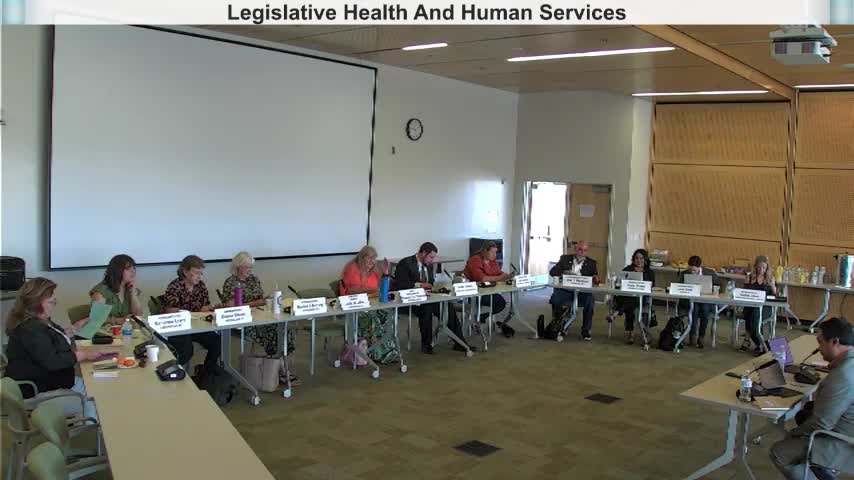
Summary
UNM Gallup told the Legislative Health & Human Services interim committee in Gallup that nursing enrollment and student outcomes are strong, but faculty shortages and clinical placement limits constrain growth. The campus plans a high‑school LPN program beginning fall 2026 and seeks continued legislative support.
UNM Gallup officials told the Legislative Health & Human Services committee in Gallup that the campus has expanded nursing and allied‑health training but still faces faculty and clinical‑placement constraints that limit how many new nurses the branch can graduate each year.
Sabrina Ezell, chancellor at UNM Gallup, and Jonathan Loomabaugh, director of the UNM Gallup nursing program, spoke to the committee about student success, program supports and a new high‑school LPN pathway the campus plans to start in fall 2026.
The programs matter because rural New Mexico faces nursing shortages and local training pipelines are a common strategy to keep graduates working near home.
Loomabaugh said UNM Gallup has steadily admitted 24 students each spring and 24 each fall—about 48 new nursing entrants yearly—producing what he called “a consistent pipeline of entry‑level nurses for our regional employers.” He told the committee the branch currently has an 85.6% retention rate from the last academic year and reported a 92.31% NCLEX‑RN pass rate for the most recent cohort.
The campus has expanded student supports including I‑BEST integrated instruction, campus childcare and scenario‑based simulation labs. Ezell said the nursing faculty endowment and prior nursing expansion funds allowed the college to hire a new LPN instructor and to grow clinical and allied health programs.
“Right now we’ve been admitting 24 students each spring and 24 in fall…ensuring consistent pipeline of entry level nurses,” Loomabaugh said. “One of them is still faculty recruitment. Full‑time faculty positions have been challenging to fill.”
Committee members pressed campus leaders on the main constraints to growth. Representative Jennifer Jones, who represents District 32, asked whether students in the proposed high‑school LPN program would be eligible to sit for LPN licensure upon graduation from high school. Loomabaugh replied that the campus plans for students to complete the LPN program while in high school and be eligible to take the LPN boards after finishing the program.
Several legislators asked about the faculty shortage. Loomabaugh and Ezell said recruiting experienced nurse educators is difficult because pay for faculty typically lags clinical wages and because many clinicians who hold bachelor’s or graduate degrees are not available to teach due to clinical staffing demands. Loomabaugh told the committee the applicant pools have been extremely small—often a single applicant per posting—and that limited faculty and limited clinical supervision capacity together cap annual graduation totals.
Committee members and campus staff discussed clinical supervision rules: Loomabaugh said students’ clinical hours must be supervised by a licensed registered nurse and that the program tracks clinical hours to meet graduation and licensure requirements. Legislators suggested compensating community preceptors and using broader county or clinic partners to expand clinical capacity.
Ezell described local high‑school partnerships that feed students into UNM Gallup’s health pathways, CCTE (center for career and technical education) and early‑college programs. The branch already teaches dual‑credit courses: 57 seniors were enrolled in health‑pathways dual credit this fall and 160 students were enrolled in CCTE courses, Ezell said.
The session closed with requests for data: Loomabaugh agreed to provide the committee updated demographic and placement information for nursing graduates and other health programs. Committee members offered to draft letters of support for sustaining grants that fund I‑BEST instructors.
UNM Gallup officials asked legislators to sustain the nursing expansion endowment and other supports while the branch pursues the LPN high‑school pathway and continued simulation and student support investments. The campus said those measures are intended to increase local hires and to encourage graduates to return to RN study after initial LPN licensure.
Looking ahead, campus leaders said doubling qualified faculty would permit substantial enrollment growth but that clinical‑site availability and qualified clinical instructors (registered nurses) remain limiting factors that need parallel solutions.