
Legislators press Highlands on paid practica, stipends and licensure barriers for social work and counseling students
Get AI-powered insights, summaries, and transcripts
Subscribe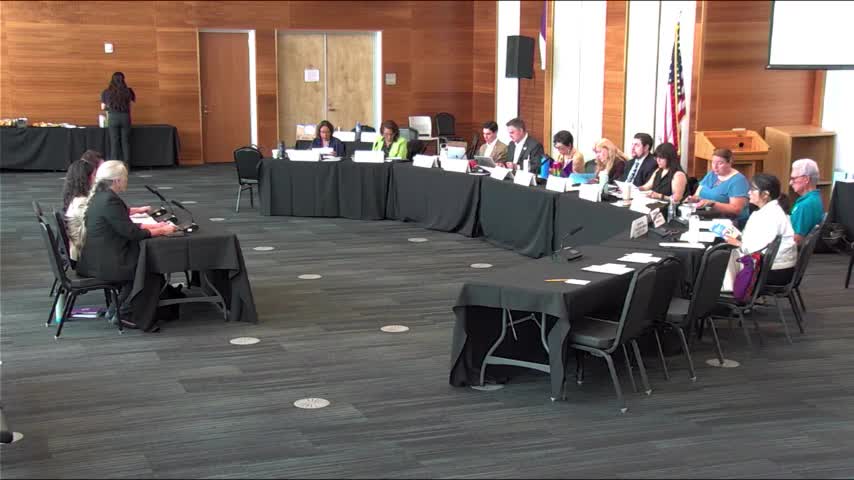
Summary
Committee members pressed Highlands presenters about the availability and effectiveness of paid practicum stipends, recent GROW fund stipends and lingering obstacles to recruiting and retaining behavioral-health workers in rural New Mexico.
State legislators questioned university and center leaders about whether paid practica and stipends are reaching students and whether those payments improve recruitment and retention of social workers and counselors.
"Anything that helps them to pay their rent and buy groceries, is helpful and essential," said Jerry Glover, interim dean for the School of Education and a licensed clinical counselor, answering a lawmaker who asked whether the stipend amounts cover student basic needs.
Highlands presenters described multiple short-term stipend sources. They told the committee that in academic year 2024—25 the GROW fund paid stipends to students doing practicum: 31 students received between $1,500 and $1,650 for an early placement and 66 students received stipends in the $3,350—4,500 range for later internships, according to the presentation. The presenters also said legislative funding provides approximately $6,000 per student per academic year in some supported placements.
"Graduate students in New Mexico do not receive Pell grants or most state scholarships; they pay their way and rely on loans," Glover said. He and Dean Nelson argued that paid practica reduce the financial barrier created by unpaid 16-to-20-hour weekly placements that can span multiple semesters.
Committee members raised policy-level concerns: several legislators asked whether Medicaid billing rules, workforce-compact arrangements and the rural health practitioner tax credit expansion apply to student internships and to which providers might be eligible for stipends. Valles Pedrosa said Highlands is assessing program impact and that a 2025 Social Work Students of New Mexico survey will ask specific questions about the efficacy of paid practica.
During Q&A, committee members also discussed historical norms for unpaid internships and the potential for unintended consequences when clinics bill for intern services. Jerry Glover said the billing environment can create situations in which site administrators use interns as low-cost labor rather than as supervised learning opportunities; he urged careful design and oversight of paid placements.
Legislators asked Highlands and health-system presenters to provide follow-up data on how stipends affected students' persistence and whether stipend amounts reflected local cost-of-living realities. Presenters offered to provide partner lists, budget breakdowns and survey results to committee staff.