
State reports more resource homes but shortages persist; some children still spend nights in offices or contracted facilities
Get AI-powered insights, summaries, and transcripts
Subscribe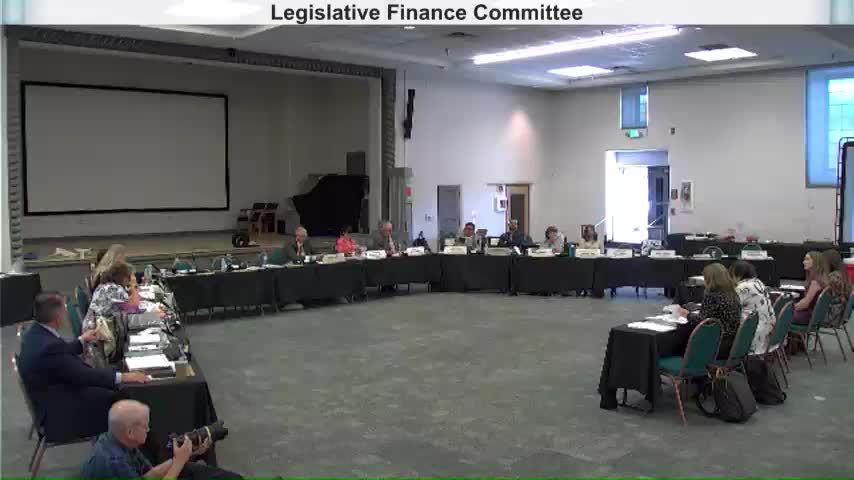
Summary
CYFD reported net growth in foster homes but continued shortages of community‑based behavioral health placements and periodic office stays; the department is using contracts (AMI Kids and Hope House) and other tools to reduce office days while tracking placement churn.
Children, Youth and Families Department officials reported the number of resource families (foster‑care providers) has grown in the past year but that placement and community‑based behavioral health shortages remain a major constraint.
Secretary Casados said CYFD reported 2,109 children in custody and that roughly 430 of those children are not in traditional foster homes but are in facilities such as out‑of‑state residential treatment centers, treatment foster care placements, trial home visits, hospitals, jails or in runaway status. “We have then about 1,100 or 1,600 kids that would require being in foster homes,” she said. The secretary said the agency reported 1,062 active resource homes in April 2025 and that foster‑home churn remains: the average monthly flow was about 56 new foster families and 43 families leaving in a typical month.
Why it matters: Placement stability and appropriate community behavioral‑health capacity are central to reducing office stays and achieving permanency. Panelists and members discussed use of contracted short‑term facilities to reduce “office days,” the use of AMI Kids and Hope House for temporary placements, and continued efforts to recruit and retain resource families.
Office stays and congregate care: the agency said Bernalillo County’s offices no longer house children overnight at the time of the hearing, but other counties still report occasional office stays and the state uses AMI Kids (male) and Hope House (female) as short‑term placements. Committee members pressed for counts of children in receiving centers and for age data; the agency said it would provide county‑level numbers and clarified that receiving centers are intended for short stays and different staffing levels.
Foster‑parent supports and rates: the department told the committee it used about $1.2 million in FY25 for recruitment and retention activities (media buys, training, peer support, foster‑care‑plus pilot assistance). The department also noted a supplemental, temporary $125 monthly increase per child funded July 1 for foster rates as a partial outcome of the recent appropriation process and said a study of rates will inform any larger, recurring rate request.
Ending: Members asked for follow‑up data on county office stays, placement inventories and the number of foster homes over‑licensed or over‑capacity; the department agreed to provide a county breakdown and placement lists.