Get Full Government Meeting Transcripts, Videos, & Alerts Forever!
Get email alerts on the Municipal Fees topic
No spam. Unsubscribe anytime.
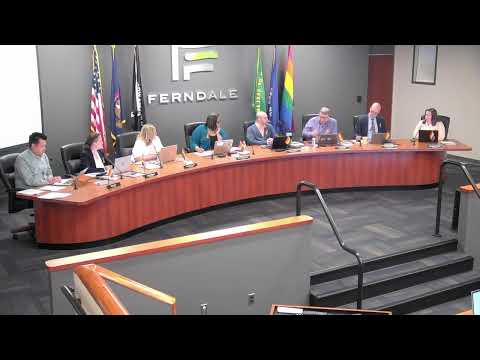
Ferndale council adopts FY26 fee schedule with edits on chicken coops, ADUs and special-events placeholder
Summary
Council approved the city's FY26 fee schedule with changes including a modified chicken-coop inspection cadence and fee, clarified board-of-appeals fees for accessory dwelling units (ADUs), proposed adjustments to sign permits, and a placeholder line for special-event lot use to revisit later in the season.
Ferndale City Council adopted the fiscal year 2026 fee schedule with several edits after staff responses and council discussion. The changes clarify inspection frequency and fees for backyard chicken coops, add fee language for accessory dwelling units (ADUs) in the board-of-appeals fee section, and place a placeholder for special-event lot use fees to be revisited after the event season.
What the council approved: Council voted to keep the chicken-coop permit at $50 but to move to a two-year inspection cycle (staff will return with an ordinance amendment to align the code). The board-of-appeals fee structure was clarified so that an ADU is treated as a single-unit appeal at a $250 fee rather than the higher multi-unit/commercial appeal fee. Staff and council also discussed reducing sign-permit review fees (planning suggested $75 for planning review; building and electrical permits would still apply where relevant) and flagged credit-card processing fees that the city is still negotiating with its payment vendor.
Special-events parking: Council asked staff to add a placeholder line item for a “special event parking lot use fee” into the schedule with a $0 rate for now, and to return after the season (suggested timeline: end of the special-event season or December) for council consideration of a fee amount. Council members said the intent is to encourage street use for events when feasible and to reconsider lot fees only after reviewing the season’s experience.
Staff notes and council concerns: Staff explained that the chicken-coop inspection workload is small (about 40–45 coops) and that annual inspections had been used to detect problems such as predator access or poor conditions; council members proposed two-year inspections to reduce burden and free staff capacity for other inspections. Council asked staff to renegotiate credit-card processing rates (tax payments vs. other payments) and to confirm distinctions between tax and other payment merchant rates. Staff said one of the merchant fees for e-checks that had been proposed would be eliminated.
Next steps: If needed, staff will return with a city-code amendment to change chicken-coop inspection frequency to two years. Council directed staff to continue negotiations on payment processing rates and to include the special-event lot-use line item as a placeholder (rate $0) for later consideration.