Get Full Government Meeting Transcripts, Videos, & Alerts Forever!
Get email alerts on the Land Use topic
No spam. Unsubscribe anytime.
Manhattan commission accepts easements for Acacia replat amid neighborhood objections
Summary
The Manhattan City Commission voted to accept easements shown on a replat affecting the Acacia fraternity property after public comment from neighbors concerned about future demolition, parking and drainage access; one commissioner recused.
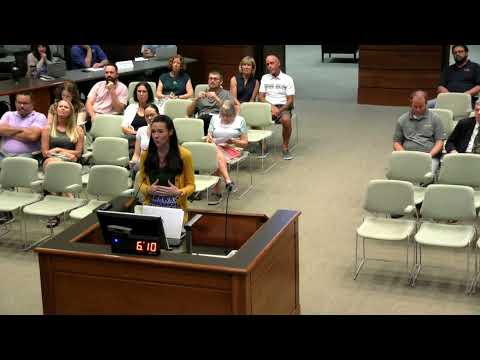
The Manhattan City Commission voted 3–0, with one recusal, on Aug. 19 to accept easements shown on a replat for properties associated with the Acacia fraternity, advancing the technical subdivision action after more than an hour of staff explanation and public comment. Mayor McCullough and Commissioners Opelt and Minton voted yes; Commissioner Adamtack recused herself because her family owns property on Hunting Avenue. The vote approved acceptance of the easements — described in the staff report as an access easement and a drainage easement, with possible existing utility easements carried from the prior plat — while the planning board had approved the final plat 6–0 the night before. That planning-board approval means the planning board found the replat to comply with the Manhattan Development Code's subdivision regulations; final acceptance by the commission is limited in scope to dedications such as easements or rights of way. Neighbors and neighborhood advocates urged the commission to deny the dedications or delay action, saying the replat is the first step toward demolition or nonresidential uses that would harm the nearby historic district. “This replat creates an overlay on the right ... and it creates a landlocked R‑1 situation on the left,” resident April Mertz said during public comment, arguing the application included waivers and exceptions and lacked a finalized plan. Several other residents, including Beth Bergston and Ashley Furman, described concerns about new parking, loss of single‑family resale value and inadequate notice to the Historic Resources Board. City staff and the applicant said the replat is a technical subdivision action, not a rezoning or demolition permit. Community Development Director Stephanie Peterson explained that the Manhattan Development Code controls subdivision and easement acceptance and that the zoning for Lots 1 and 2 remains R‑L; expanding the overlay or changing zoning would require a separate rezoning ordinance. City counsel (Rachel) reiterated that the commission’s discretion is confined to dedications and that reasons for deferral or refusal must relate solely to ownership, improvement, maintenance or use of the dedicated land. The commission heard from Bruce McMillan of Baker McMillan Architects, who said the applicant had worked closely with staff and that the planning board found the plat met applicable development-code standards. Neighbors said they expect further applications and warned they would return to contest uses such as parking lots or demolition at future proceedings where historic‑resource review or rezoning would apply. The motion to accept the easements was made and seconded on the record; Chelsea (city clerk) called the roll and the result was: Opelt — yes; Minton — yes; McCullough — yes; Adamtack — recused. The action is limited to accepting the dedications shown on the plat; any demolition, additions or zoning changes would require separate permits or ordinances and, where applicable, Historic Resources Board review for physical changes to properties in the local historic district. Commissioners and staff emphasized that the city’s role at this stage is technical: the planning board approved the final plat after staff review of subdivision standards, and the commission’s statutory responsibility is to accept or refuse dedications. Staff also clarified that for the type of drainage and access easements at issue, the Manhattan Development Code does not prescribe a fixed minimum width; public‑works and utilities staff determine the width needed for the function of each easement. The neighbors’ objections and concern about future uses were recorded in the public‑comment period; several residents said they would pursue historic‑resource and rezoning processes if the applicant seeks changes that require additional city action. The commission’s acceptance of the easements carries forward the plat as approved by the planning board; the record shows the planning board vote was 6–0 the night before. No ordinance rezoning or demolition permit was considered or approved at the Aug. 19 meeting; those would be separate actions subject to separate hearings and approvals. Interested residents and parties may expect future filings related to use, demolition or rezoning to come back before the Historic Resources Board, the planning board, and, if required by law, the commission.