
Superintendent recommends delaying Redmond boundary process after capacity review
Get AI-powered insights, summaries, and transcripts
Subscribe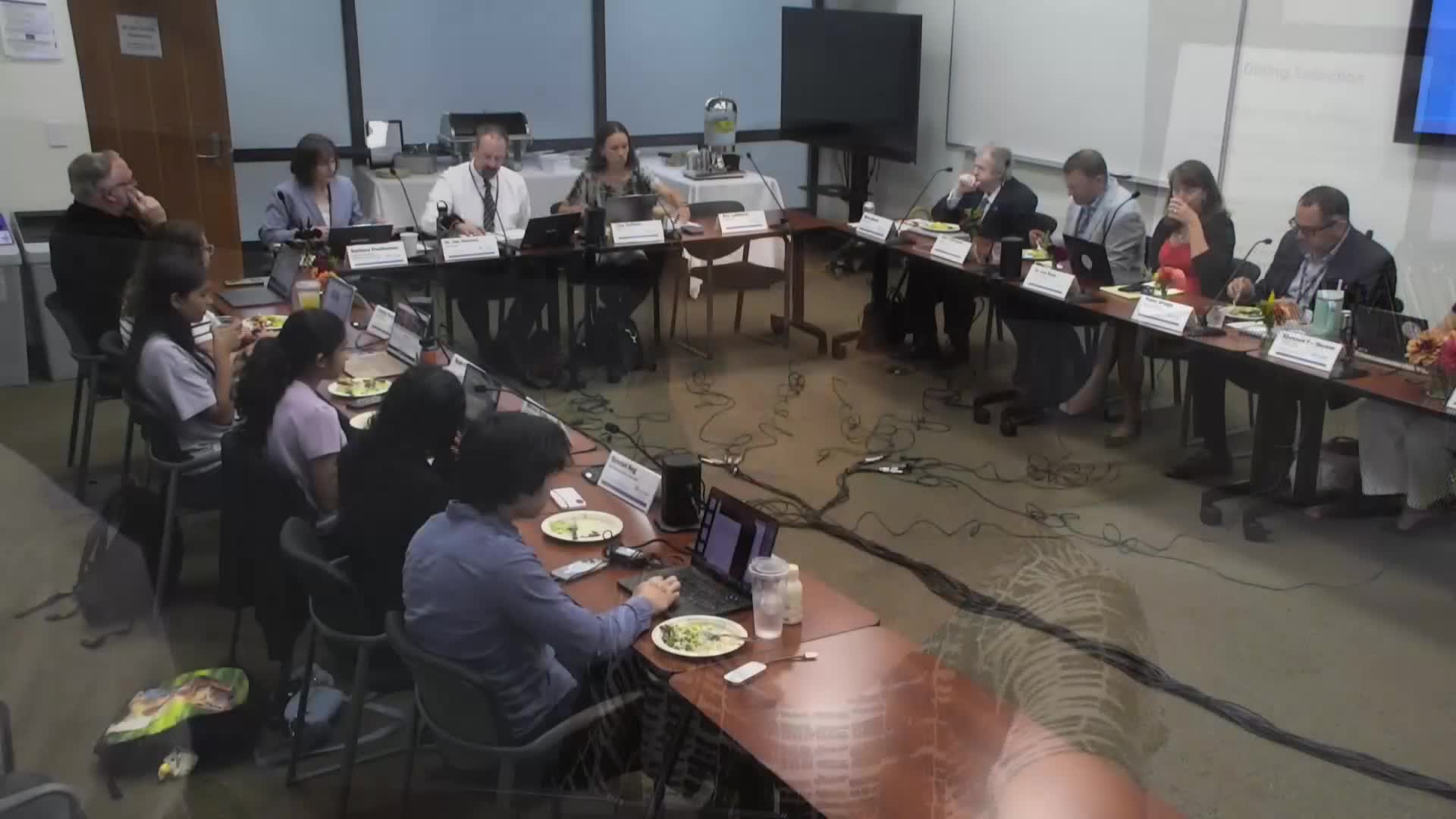
Summary
Superintendent Holman recommended delaying a Redmond-area school boundary review for at least one year, citing enrollment data and the 2026 reopening of the rebuilt Rockwell Elementary as reasons to reconsider timing and scope.
Superintendent Holman recommended Monday that the Lake Washington School District delay a boundary process for the Redmond learning area for at least one year to allow time to use updated enrollment and capacity data and to consider a broader, districtwide approach. Holman told the board that Rockwell Elementary will reopen in 2026 after a rebuild and enlargement funded by the district's 2022 construction levy and that the new school adds nine permanent classrooms — about 207 additional permanent seats — and that removing five portables on the campus will change total capacity by about 92 seats. The recommendation grew out of a district analysis by its demographer, Flow Analytics, and staff, which compared enrollment to two capacity measures: “permanent capacity,” the number of regular classrooms available after specialized spaces such as art and science rooms are excluded; and “total capacity,” which includes portables. An associate superintendent presenting the data said, “When we refer to permanent capacity, that's the approximate number of students the school can serve given the total number of classrooms in the physical building and less specialized spaces.” Holman told the board that most Redmond-area elementary schools are projected to be below capacity over the 10-year forecast and that current registrations are generally below Flow Analytics' projections. She said the district’s target for balanced schools is roughly 80% to 89% of capacity so the district can accommodate future neighborhood growth and maintain program flexibility. "We're bringing you a recommendation tonight to delay the boundary process for at least 1 year," Holman said, explaining the workload a boundary review requires and the burden it places on principals and families. She said a full district reboundary would significantly increase that workload and that, because portables are intended as short-term responses, the district wants to prioritize aligning enrollment with permanent capacity rather than relying on temporary measures. Board members who spoke supported delaying the process and suggested using the extra time for wider planning and community engagement. Director Laliberte said the delay makes sense given current enrollment uncertainty. Director Lou Liberty (transcript spelling) urged the district to consider whether an expanded scope should include middle schools to address feeder-pattern issues. Director Stewart raised anecdotal concerns from families and recommended the district consider offering more community engagement earlier in the process so families can plan. Holman outlined a typical boundary timeline that begins with demographer kickoff and internal preparation over the summer, moves into committee meetings and community open houses from October through February, then ends with a superintendent recommendation to the board. She suggested that, if the board accepts the delay, staff would bring a more thorough scope of work and possible timeline for beginning a larger or districtwide reboundary in 2026, with a final recommendation and implementation timing to be determined through that process. No formal motion or vote was taken; the presentation ended with board discussion and general support for postponement and a request that staff return with refined options and engagement plans. Looking ahead, Holman said staff could expand the scope beyond the Redmond learning area to align permanent capacity across the district and consider program locations and feeder patterns in any future boundary review. She emphasized the district’s goal of minimizing repeated moves for families and avoiding frequent boundary changes that can burden the community. Board members asked staff to return with clearer timelines and potential implementation options, including whether phased or delayed implementation could reduce disruption for affected families. The study session moved to other business after the discussion concluded.