
LESC hears case for 80/20 school‑insurance split; staff estimates $51.1M–$74M cost to implement
Get AI-powered insights, summaries, and transcripts
Subscribe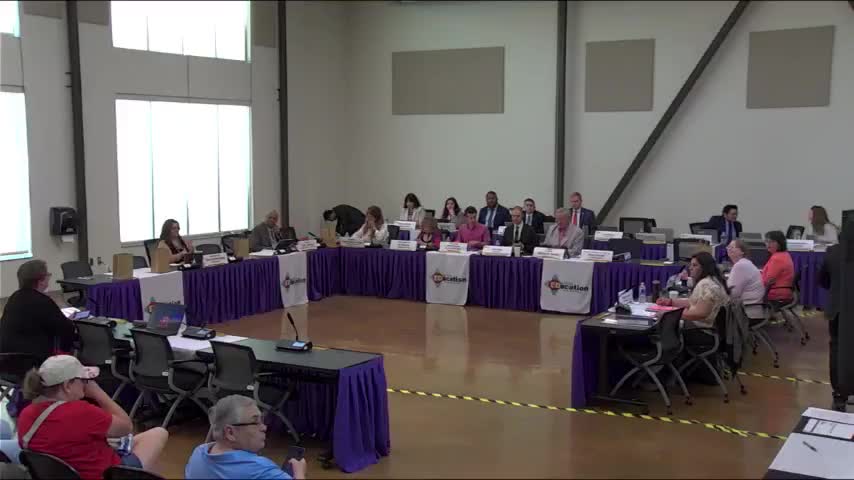
Summary
The Legislative Education Study Committee met in Roswell and heard public comment and a staff presentation on proposals to set an 80% employer / 20% employee split for public‑school health insurance, a change staff said would cost between $51.1 million and $74.0 million to implement statewide depending on assumptions about current local contributions.
The Legislative Education Study Committee met in Roswell and heard public comment and a staff presentation on proposals to set an 80% employer / 20% employee split for public‑school health insurance, a change staff said would cost between $51.1 million and $74.0 million to implement statewide depending on assumptions about current local contributions.
The proposal matters for teacher and staff retention, presenters and public commenters said. "NEA New Mexico is advocating for state to cover 80% of health care premiums for educators," said Bethany Jarrell, a high school CTE teacher in Alamogordo and president‑elect of NEA New Mexico. Daniel Estupian, the committee fiscal analyst, said the committee could request a formal budget and policy recommendation if members direct staff after August revenue estimates. "If we get directions from you all that you want us to bring 8020 as a formal budget and policy recommendation for FY27, we'll bring that back to you all when we start the budget process later in the interim," Estupian said.
Staff framed the issue as two policy goals: stabilizing insurer fund balances and making benefits affordable. The committee and presenters said the Legislature has already taken steps on stability: during the most recent session lawmakers provided a $65 million appropriation to the New Mexico Public School Insurance pool (described in the briefing as NIMSIA), which staff said reduced a projected FY26 premium increase from nearly 20% to below 10%.
Estupian presented two cost estimates for converting all districts and charter schools to 80/20. One assumes districts that already pay more than statute requires keep their current higher contribution; that scenario costs an estimated $51.1 million. The other assumes no district or charter pays above statutory minimums and puts the cost at about $74.0 million. Staff emphasized the difference reflects two definitions of the state’s incremental cost: whether to count local choices that already fund a larger share.
Staff also showed estimated household‑level savings using family plan premiums: NIMSIA‑covered employees earning $50,000–$60,000 would save about $2,358 per year; those earning above $60,000 would save about $4,716. For a level‑1 teacher with a family plan and a minimum salary projected at $55,000 for FY26, staff estimated roughly $2,358 in annual premium savings — about 4% of that minimum salary, the briefing said.
Public commenters linked premiums directly to retention. "To maintain high quality instruction and support for students, we must retain our professionals in the field," Jarrell said. John Dirch of the American Federation of Teachers New Mexico urged the committee to "keep your foot on the gas and keep moving forward on this issue," noting districts and charters have already made local budget trade‑offs to raise their employer premium share. Several other speakers — including a school social worker, a librarian who said she returned to work after retirement because retirement pay was insufficient, and a Ruidoso instructor who called 80/20 a "pittance" that would improve retention — described personal and local impacts of health‑care costs.
Staff and NIMSIA representatives outlined plan‑design changes and wellness efforts intended to reduce costs, including revised deductibles, co‑pays and care management programs. NIMSIA staff described pilot programs for remote musculoskeletal physical therapy, diabetes and hypertension management through CVS programs, and plans to consolidate wellness resources on a single platform for members.
Committee members asked about trade‑offs with salary increases and revenue availability. The chair noted the state's strong cash position and said modest reductions in the cash reserve could cover the cost estimates; other members cautioned that the finance committee may frame the choice as a trade‑off between salary increases and premium relief. Estupian recommended awaiting August revenue estimates before formalizing a budget request.
No motion or formal committee endorsement of 80/20 was taken at the meeting. Staff said they will return with a formal recommendation and budget request only if directed by the committee after updated revenue estimates.
The committee also discussed how the statutory structure of premium tiers can create sudden increases for employees who move between salary tiers or take K‑12 Plus pay; staff flagged that as an unintended retention risk and a subject for further policy refinement.
The committee scheduled no final action at the meeting; members indicated interest in drafting legislation during the interim but asked staff to await updated revenue numbers before advancing a formal fiscal proposal.