
Rural superintendents cite shortage of qualified math teachers, urge coaching and targeted PD
Get AI-powered insights, summaries, and transcripts
Subscribe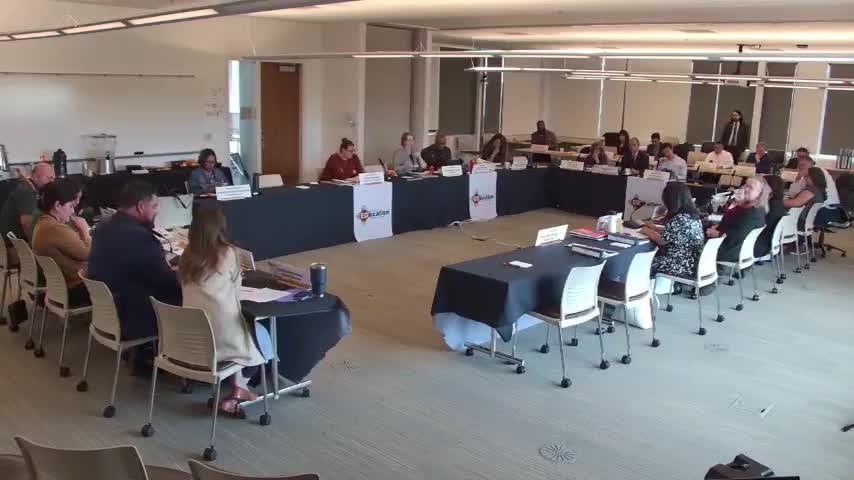
Summary
Superintendents told lawmakers that finding and retaining qualified secondary math teachers is a top barrier to improving student math outcomes. They recommended growing local pipelines, providing math coaches, and funding targeted professional development similar to literacy investments.
Superintendents from Santa Rosa, Las Vegas City, Pecos and West Las Vegas told the Legislative Education Study Committee that the primary obstacle to raising math achievement is a shortage of high-quality math teachers and inconsistent instruction across grades.
Why it matters: math proficiency influences graduation readiness and postsecondary options. Superintendents said a mix of content knowledge and pedagogy is required, and that districts are losing experienced instructors to better-paying regional employers.
"A math teacher, a good math teacher has worked their weight in gold," said Superintendent Martin Madrid of Santa Rosa. "Good math teachers that can do those things I just talked about, they're hard to find." Pecos Superintendent Deborah Sena Holton said a PED math coach program produced positive results when funded, but the one-year supports were not sustained by local budgets: "The math coach was hired and really helped our elementary teachers with math instruction, but it lasted 1 year." Several superintendents recommended recurring, school-based math coaches who co-teach and build teacher content knowledge.
Superintendents also urged clearer vertical and horizontal alignment from elementary through high school, along with professional development tailored to elementary teachers who must teach higher-grade concepts. "More professional development maybe, almost like a LETRS type of program, but in the math aspect of it," one superintendent said.
Panelists suggested several approaches: grow-your-own pathways to keep local talent, offer stipends and differential pay for STEM teachers, adopt high-quality instructional materials and ensure teachers know how to use them, and fund embedded coaching that co-teaches with classroom teachers.
No formal votes took place. Superintendents said they will continue to seek grants and local funds to pilot math-coach models and to partner with regional education cooperatives for training.
The committee scheduled a follow-up math panel the next day to probe curriculum choices and statewide supports.