
Funding formula changes let some districts add staff while others report drops in at‑risk dollars
Get AI-powered insights, summaries, and transcripts
Subscribe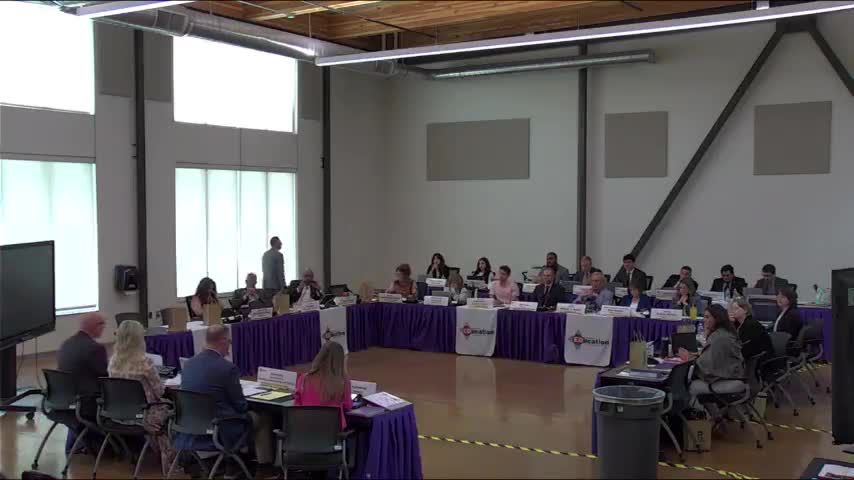
Summary
Superintendents described immediate, divergent effects from recent changes to New Mexico’s state equalization guarantee: some districts are adding EL specialists and reducing class sizes, while others say students are uncounted and funding fell sharply.
Superintendents told the Legislative Education Study committee the recent update to the state equalization guarantee (SEG) altered district budgets and services in different ways.
Lee White said his district, which had lost at‑risk funding for 11 straight years, saw that trend reversed this session. “This year, we are now able to add support services for our EL population at every level,” White said, listing plans for EL specialists in every building, additional classroom teachers to reduce class sizes, and more special‑education staff for students with severe needs.
By contrast, Portales Schools reported a drop in at‑risk funding. Portales’ superintendent told lawmakers that the district received $3,160,979 at the last funding date but this year received $2,768,598 — a $392,381 reduction that the district wants investigated because officials believe some students were not identified in state data. “My biggest point… I want to know who those kids are so I can go find them and give them the services that they need,” Portales’ superintendent said.
Why this matters: changes to the SEG and at‑risk index affect staffing decisions and student supports. Districts that gained funding described immediate hires and expanded services; districts that lost funding said administrative or data issues may have prevented eligible students from being counted.
Superintendents described steps they will take with new dollars: hiring EL support specialists, paying for TESOL endorsements for language‑arts teachers, and increasing special‑education personnel. Districts that lost funding asked for state help in identifying uncounted students (for example, children in congregate care or homes who may not be claimed on tax forms) and for data fixes to ensure districts receive the correct allocations.
The committee heard requests for greater transparency in the student‑identification process and suggestions for allowing local officials to reconcile counts. Lawmakers said staff would look into the discrepancies and the mechanics of the at‑risk calculation.
Ending: Superintendents asked for follow‑up from the Legislature and the Public Education Department to ensure funding changes match district needs and that identification/data issues are resolved quickly so services can be delivered this school year.