
Superintendents highlight coaching and attendance as keys to improving math outcomes
Get AI-powered insights, summaries, and transcripts
Subscribe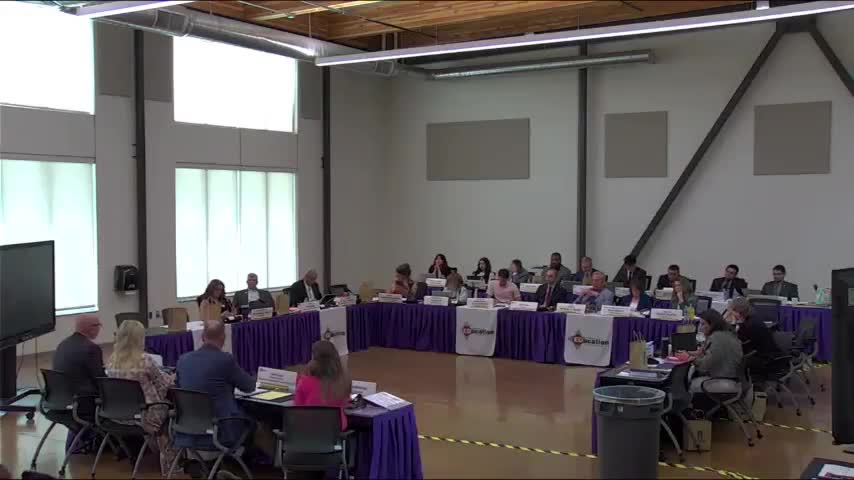
Summary
District leaders told lawmakers that a multi‑year coaching program and sustained implementation can raise math achievement; attendance gaps and misalignment between elementary and secondary instruction remain obstacles.
Superintendents appearing before the Legislative Education Study committee said improving K‑12 math outcomes in New Mexico requires sustained coaching, alignment across grade levels and strategies to address chronic absenteeism.
Lee White described a 6‑year pilot in which 13 districts receive in‑class coaching, quarterly trainings and a dedicated coach for participating teachers. “Our teachers are getting year‑round PD… we are starting to see a change in the way we are looking at our math,” he said, noting the pilot’s emphasis on diagnosing where students start and creating a systematic process to move them forward.
Why this matters: statewide math performance trends show relatively strong results through fifth grade, then declines in middle school, making alignment through the elementary‑to‑secondary transition a policy priority.
Superintendents reported three practical obstacles: inconsistent alignment between elementary and secondary instruction, the difficulty of providing time for teacher professional development, and student attendance. One superintendent recounted using individualized online programs (credit recovery platforms) and seeing strong gains among chronically behind students, suggesting targeted, adaptive instruction can work when students miss lessons.
Several witnesses told lawmakers that any adopted curriculum or assessment must be allowed sufficient time to be implemented, and that rolling changes year‑to‑year prevents true evaluation. “If it didn’t work this year, throw it out and do something different” was described as a counterproductive habit; superintendents urged multi‑year pilots with coaching support so programs can be judged fairly.
Attendance emerged repeatedly as a math‑specific barrier. A superintendent said missing a single lesson in math can block a student’s progress because concepts are sequential. “One of the biggest problems we have in math is attendance… If I keep telling my teachers, if you could find a way that every single time a kid misses, that you make sure they get that lesson somehow, I think we could shoot to the moon,” the superintendent said.
What’s next: Committee members said they will examine the 6‑year study and consider how state policy could support coaching models, curricular alignment and attendance interventions.