
Superintendents urge funding, flexibility as state implements structured literacy
Get AI-powered insights, summaries, and transcripts
Subscribe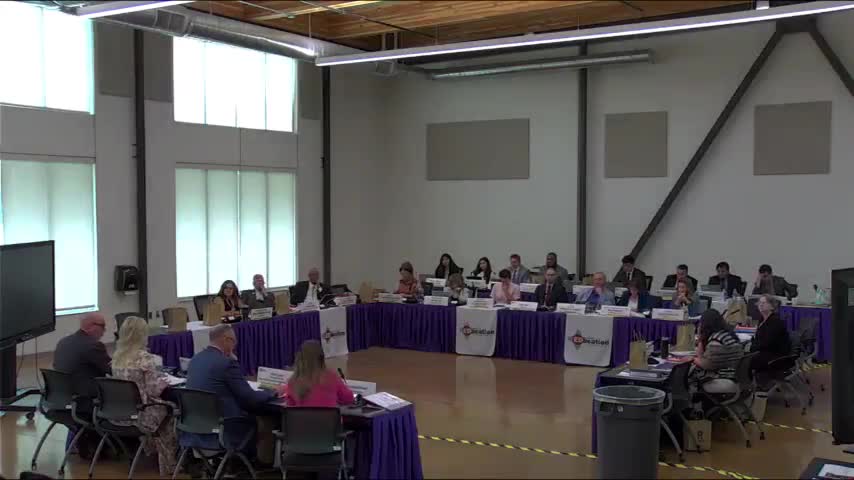
Summary
Superintendents at a Legislative Education Study hearing said structured-literacy training and the Letters program offer valuable content but are straining district time and budgets; they asked lawmakers for funding, time, and some flexibility for existing effective practices.
Superintendents testifying to the Legislative Education Study committee on June 1 said New Mexico’s push toward structured literacy and the Letters training has introduced strong instructional content but created implementation challenges for districts.
District leaders told lawmakers the training — which districts are expected to deliver to teachers and administrators — is time-intensive and has uncovered an unfunded cost: many teachers must attend training outside contract hours. “You now have to get your staff trained… it takes two years to go through,” Lee White, superintendent of Loving public schools, said, adding that his district pays staff for out‑of‑contract training time.
Why this matters: structured‑literacy initiatives aim to improve early reading outcomes statewide, but superintendents said state policy and funding must align with local capacity. Without additional support, smaller or economically strained districts risk lagging in implementation.
Superintendents described two recurring concerns. First, training time and substitute/compensation costs were not fully funded in early grant rollouts; districts are paying for staff time to attend Letters sessions and follow‑up professional development. Second, several superintendents asked the Legislature not to “outlaw” other evidence‑based instructional practices that currently produce growth in some districts.
Sharon Rowley, superintendent at Portales Schools, said Portales supports structured literacy’s goals but asked lawmakers for “a tiny bit of wiggle room” for instructional approaches that have shown success locally. “We totally value that. We need the time and the financial support to implement,” she said, arguing that some balanced‑literacy strategies in use at Portales — developed through a long partnership with Eastern New Mexico University — have contributed to higher growth than the state average.
Committee members and superintendents pointed to a recent legislative change, House Bill 156, which aligns educator preparation programs with structured‑literacy expectations. The bill, a committee staff member noted, addresses preparation in higher education but does not eliminate local implementation costs.
Districts listed specific supports they would use additional funding for: time to train coaches, pay for out‑of‑contract teacher training, and integration of structured‑literacy content into teacher‑preparation programs. Several superintendents proposed shifting some training into teacher‑preparation curricula to reduce the post‑licensure burden.
The committee heard that the state’s investment already funds Letters training and competitive grants, but superintendents urged steady, multi‑year funding and clear guidance on how structured literacy must be implemented in classrooms versus where districts may retain effective local practices. “It was rolled out several years ago as a competitive grant… but there is an unexpected cost to districts,” White said.
What’s next: Committee members said they will continue literacy discussions in upcoming hearings and site visits; lawmakers also noted existing literacy funding in the public school funding formula and training programs under way at New Mexico universities.
The hearing combined testimony from rural and regional superintendents; lawmakers signaled interest in pairing state training requirements with recurring funding and clearer alignment with educator preparation programs.
Ending: Lawmakers and superintendents agreed to continue the conversation, with additional committee sessions and site visits planned to examine implementation, cost burdens, and whether state and higher‑education preparation can reduce district training obligations.