Get Full Government Meeting Transcripts, Videos, & Alerts Forever!
Get email alerts on the Social Services Ihss topic
No spam. Unsubscribe anytime.
Multiple IHSS caregivers urge county funding increases, warn of service loss
Summary
Dozens of IHSS caregivers and recipients addressed the Board of Supervisors, urging increased county funding to retain providers and warning that service losses would push care recipients into nursing homes or emergency care.
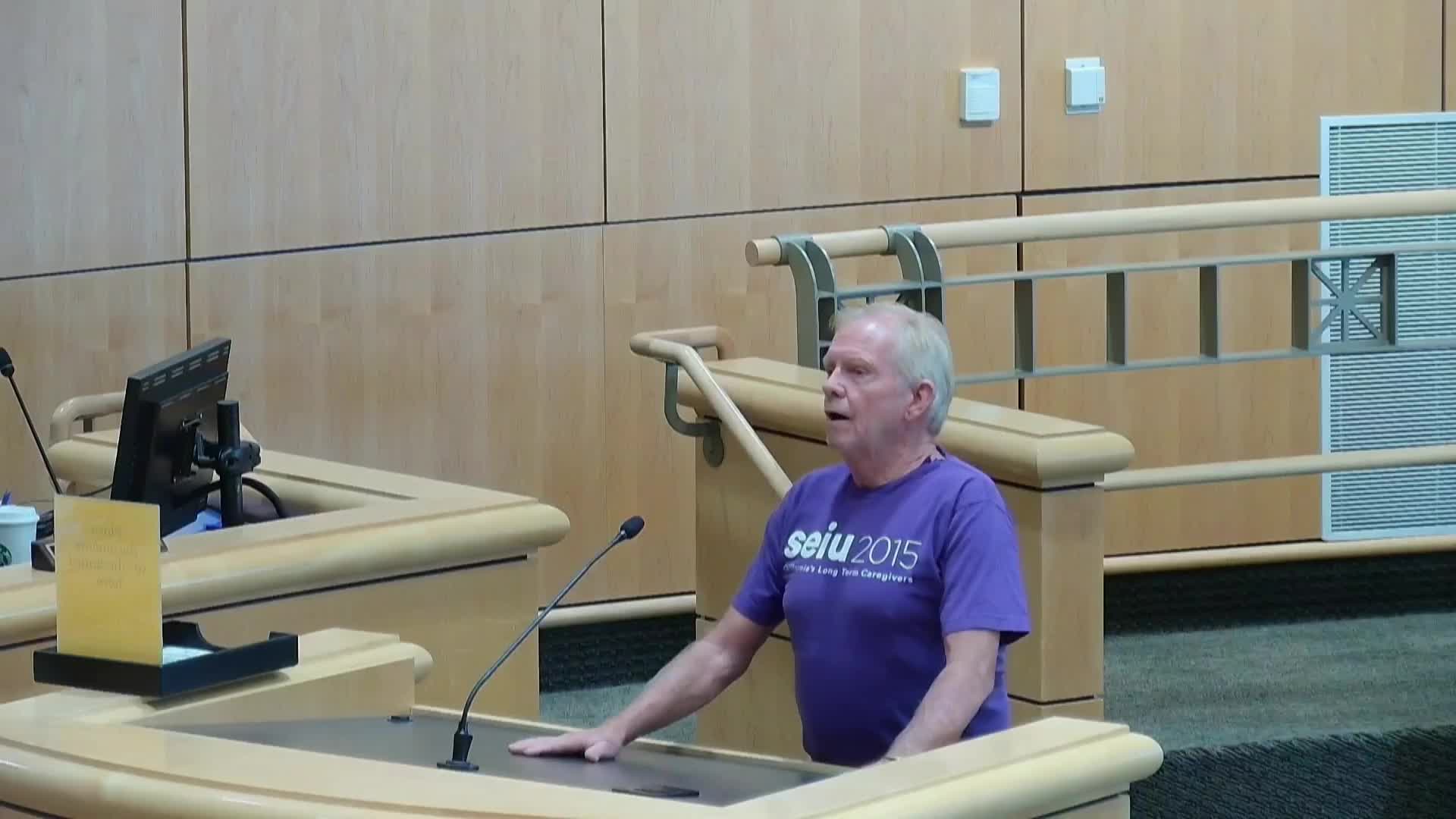
Dozens of in‑home supportive services (IHSS) caregivers and clients urged Shasta County supervisors Aug. 26 to commit additional county funding to raise wages and retain providers, saying a shortage of caregivers threatens to push people into nursing homes, emergency rooms or the criminal-justice system.
More than a dozen public commenters described long tenures as caregivers, years of experience in health care and the value of IHSS in helping medically vulnerable residents remain at home. Several speakers said provider shortages force them to work unpaid overtime, reduce the number of clients they can serve, or consider leaving the field.
Speakers including current IHSS providers and union representatives asked the board to dedicate one‑time and ongoing funds so providers receive higher, livable wages. Commenters pointed to an estimated funding shortfall of about $6 million in state and federal match that limits wage increases and noted that withholding raises could increase county costs if clients are moved into institutional care.
Supervisor responses during public comment acknowledged the program’s importance and asked providers to meet with supervisors after the meeting to discuss specifics. The board did not take immediate budget action during the meeting; several supervisors said the county must balance many competing funding priorities and that staff would need to return with options.
Public commenters urged a three‑year funding plan and argued that up‑front county investment would reduce county spending later by keeping people out of hospitals and long‑term care. Speakers also described the emotional and practical value of continuity of care and asked for clearer communication about state and federal funding rules.
The meeting record shows no formal board vote or motion on IHSS funding at this session. Supervisors encouraged continued dialogue and said staff would return with fiscal analyses if requested.