
Caregivers press Shasta supervisors for higher IHSS pay and benefits; closed‑session discussion yields no reportable action
Get AI-powered insights, summaries, and transcripts
Subscribe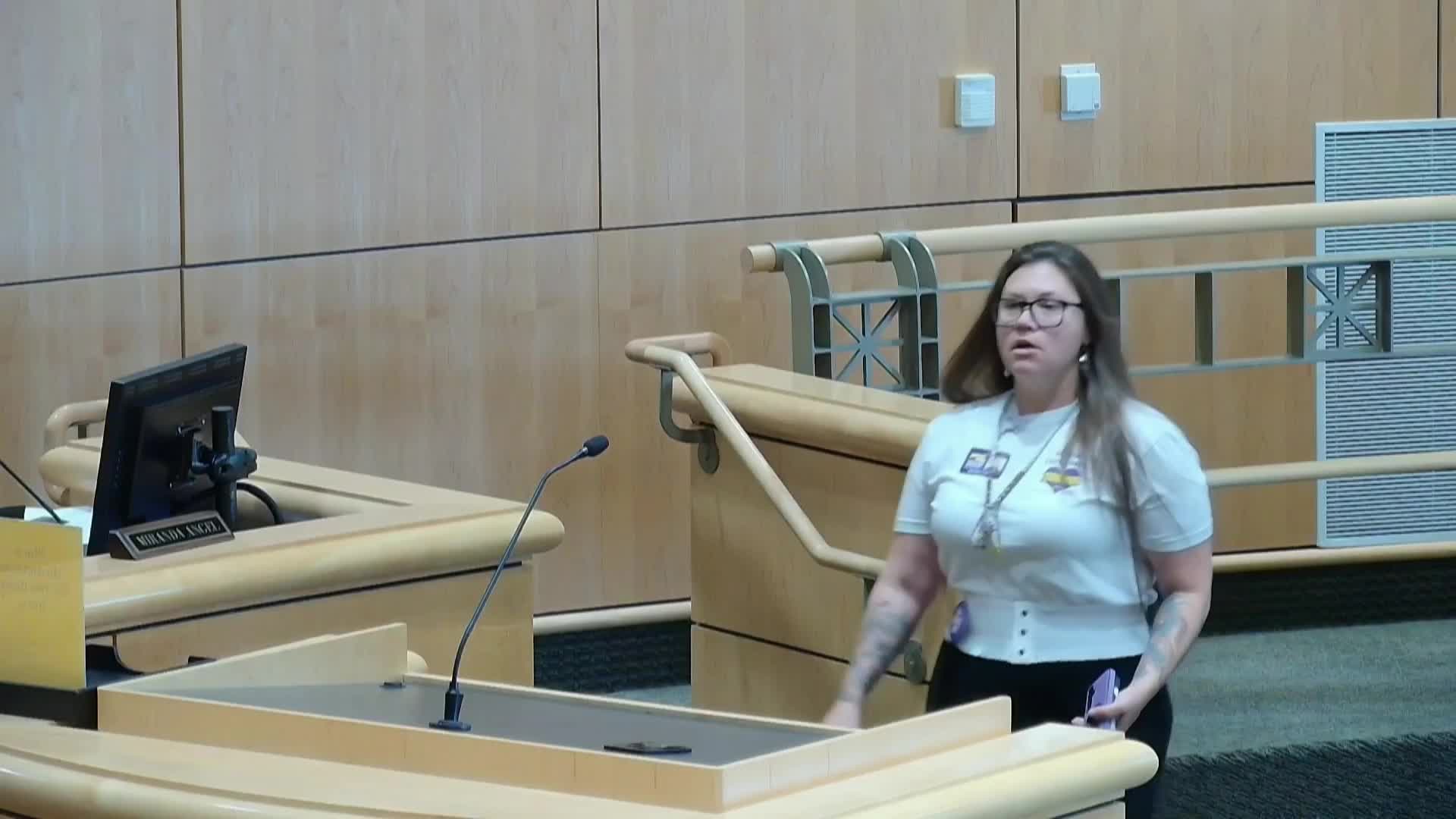
Summary
Multiple In‑Home Supportive Services (IHSS) providers and labor representatives urged the Board of Supervisors to increase pay and add benefits, saying low hourly wages and lack of benefits are driving workers away and worsening care capacity. The matter was discussed in closed session; county counsel reported no reportable action.
Several IHSS providers, union representatives and community advocates told the Shasta County Board of Supervisors on Wednesday that in‑home caregivers need higher pay, benefits and respect so they can continue providing home-based care that prevents costlier hospitalizations.
Speakers in the portion of the meeting that addressed IHSS described caregivers as "the first line of defense" against hospitalizations and said low wages and lack of benefits are forcing providers out of the program. Madeline Clark, a caregiver who spoke to the board, said, "IHSS providers are the first line of defense in keeping people safe in their homes and keeping them well taken care of to avoid more hospital visits."
Several speakers gave figures to illustrate capacity and cost impacts. Ronnie Dillon, who spoke for the community, said an estimated 15,000 to 20,000 IHSS hours per year in Shasta County are currently unfilled because providers leave for higher-paying jobs. A labor representative, Ruth Rhodes of the Five County Central Labor Council, said the current IHSS rate of $18.10 per hour (as cited during public comment) is "despicably low" and that many caregivers lack any employer-based benefits.
What the meeting covered and what happened - Public comment and advocacy: Multiple people — including caregivers and union leaders — asked the board to prioritize IHSS funding, greater wages and benefits, and more respect for providers. - Fiscal context noted at the microphone: Commenters said that for each county dollar invested in IHSS services the community receives multiple dollars back through state and federal matches; one speaker said the multiplier is roughly $5 returned for each $1 the county spends. - Closed session and outcome: The Board recessed into closed session on multiple items that included IHSS negotiations. When the board returned, county counsel reported there was no reportable action from the closed‑session discussions involving IHSS.
Why it matters: Caregivers who provide in‑home assistance for the elderly and people with disabilities help prevent more expensive institutional care. Speakers argued that underpaying those caregivers increases long‑term cost pressure on the health system and reduces available care for residents who are medically fragile.
What remains unresolved: Board members did not announce any immediate change in IHSS wages or benefits at this meeting. Negotiations or personnel/contract matters tied to IHSS were discussed in closed session; counsel reported no reportable action upon return. Commenters urged the board to pursue concrete increases in pay and benefits and to preserve IHSS capacity to reduce strain on hospitals and long‑term care systems.
Voices from the meeting - Madeline Clark: "IHSS providers are the first line of defense... If we don't invest in this IHSS, we're gonna continue to lose quality caregivers, which will just further exacerbate our health care shortage here." - Ronnie Dillon: "For every dollar that the county spends on IHSS, they receive $5 through State and Federal funding," and he told the board there are "15,000 to 20,000 hours a year" of care not being delivered because of workforce shortages. - Ruth Rhodes (Five County Central Labor Council): "Taking care of a person who can't fully take care of themselves is difficult work... $18.10 an hour is pretty despicably low and no benefits."
Bottom line: Public testimony at the meeting made clear caregivers and unions want the board to treat IHSS as a workforce and public‑health priority. The board discussed related items in closed session; county counsel reported no reportable action when the board returned to open session. Advocates said the county should use its budget process and state/federal matching funds to shore up IHSS pay and benefits to preserve caregiving capacity.