Get Full Government Meeting Transcripts, Videos, & Alerts Forever!
Get email alerts on the Behavioral Health Bhsa topic
No spam. Unsubscribe anytime.
Butte County behavioral health director warns new state BHSA rules will force cuts, add housing role
Summary
Butte County Behavioral Health Director Scott Kennelly told supervisors on Aug. 26 that California’s Behavioral Health Services Act will require the county to redirect existing Mental Health Services Act funds into narrower categories and to dedicate 30% to housing, likely forcing cuts to some local prevention and outreach programs.
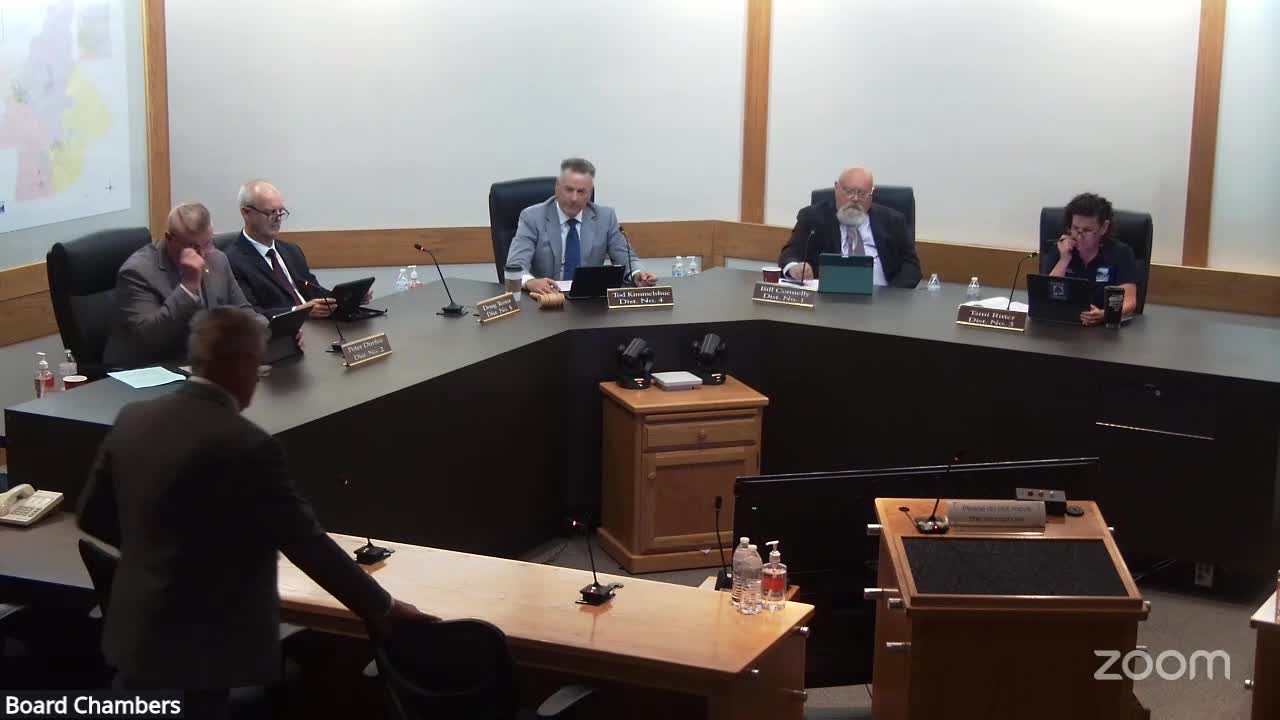
Butte County’s behavioral health director, Scott Kennelly, told the Board of Supervisors on Aug. 26 that the state’s Behavioral Health Services Act (BHSA) — the voter-approved restructuring of Mental Health Services Act funding — will force significant program changes and new housing responsibilities when it takes effect July 1, 2026.
Kennelly, director of Behavioral Health, said BHSA reassigns existing MHSA revenues into three mandated buckets: behavioral health services and supports (35%), housing (30%) and full-service partnerships (35%). He told the board the county currently spends about 61% of MHSA money on services and supports and roughly 2% on housing, meaning the county would have to reallocate substantial funding and likely reduce or end some existing community programs.
“We will have to cut a substantial number of those programs to meet that requirement,” Kennelly said during his presentation.
Why it matters: Kennelly said the change reallocates dollars without adding new funding; statewide, the transition will remove roughly $1 billion from local mental-health services to create the housing and state-directed programs BHSA demands. He warned that many community-based prevention and outreach programs funded under MHSA will not qualify under BHSA’s more prescriptive eligibility rules.
What Kennelly told the board: He listed dozens of county-run teams and contracted programs that currently receive MHSA funds — from mobile crisis teams and wellness centers to cultural outreach programs for African American and Hmong communities — and said only a portion of those activities will remain eligible under new BHSA rules. He said programs that continue to receive funding will likely have to bill Medi-Cal or otherwise qualify for federal financial participation, which will require electronic health records, auditing, and increased administrative capacity.
The director also said BHSA requires stronger state oversight: the county must submit a local plan that DHCS (the Department of Health Care Services) reviews and approves before the Board of Supervisors may adopt it. Kennelly said the draft plan will go through public engagement, then to DHCS, then back to the county board for final approval.
Community engagement and timeline: Kennelly outlined multiple public input meetings being held in Gridley, Oroville, Paradise and Chico in early September and a virtual session on Aug. 28. He emphasized that community feedback will shape which services remain and which contractors may respond to future requests for proposals.
Public comment and advisory board: Brian Boyer, chair of the county Behavioral Health Advisory Board, thanked Kennelly and praised regular updates that translate state-level changes into clear terms for the community. Boyer said the advisory board values the director’s engagement and noted that local voters rejected Proposition 1 in public ballots after county-level outreach and education about its effects.
Ending: Kennelly told the board the county must prioritize programs that fit both BHSA rules and DHCS priorities; he urged community organizations and current contracted providers to consider options including transitioning to Medi-Cal billing, applying for future state prevention funds, or pivoting to provide housing services. The board received the presentation as informational and asked staff to continue outreach and bring a draft plan forward under the state timeline.
No regulatory action was taken at the Aug. 26 meeting; the presentation served to summarize likely local impacts and to open a period of community input and planning.