Get Full Government Meeting Transcripts, Videos, & Alerts Forever!
Get email alerts on the Special Education topic
No spam. Unsubscribe anytime.
Special education director reports increases in staffing systems, 383 students in program and new district AU status
Summary
The district’s director of exceptional student services told the board May 19 that the district now serves 383 special education students (about 15% of enrollment), has improved retention and data systems after becoming its own administrative unit July 1, 2024, and is piloting new paraprofessional allocation and screening work.
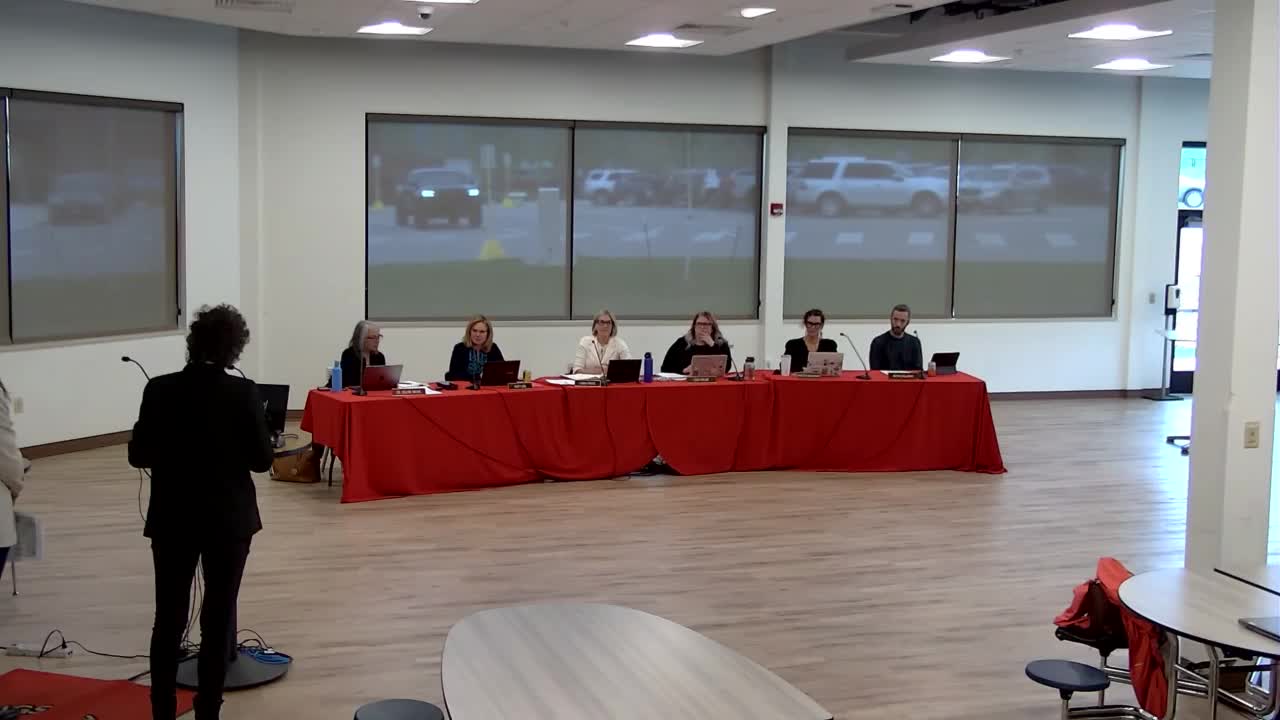
Kristen Atwood, the district’s director of exceptional student services, briefed the Steamboat Springs School Board on May 19 on special education developments during the 2024–25 school year, reporting measurable increases in staff retention, systems upgrades and early‑identification work.
Atwood said the district currently serves 383 students in special education—about 15% of the student population—and has a 93% retention rate for special education staff this year, up from about 87% the prior year. The district became its own administrative unit (AU) on July 1, 2024; Atwood said that shift allowed hiring of a data respondent, a behavioral specialist and consolidation of IEPs into a single platform (EnRICH), which staff estimate required migration of roughly 15,000 files.
Why it matters: The update outlined operational changes that district staff say will standardize practices across schools, speed identification of students who need services, and better allocate paraprofessional support to foster student independence.
Key changes and initiatives: Atwood and Special Education Coordinator Brooke Mayrind described several system changes: - A special education handbook was developed this year to align processes with IDEA and CDE practice, covering IEP procedures, roles, accommodations vs. modifications and goal writing. A version 2 is planned for the fall. - The district adopted a new process to allocate paraprofessionals tied to documented student needs and service minutes, with the expressed aim of reducing unnecessary adult support where appropriate and preserving independence for students as they transition out of programs. - Child Find initiatives were expanded: the district completed a second year of preschool developmental screenings (over 200 children screened) and provided multilingual evaluation training to staff to distinguish language‑acquisition needs from disability-related needs.
Accountability and complaints: The district reported one state complaint filed in the fall with six allegations; five were found unfounded and one—about expanding work‑based opportunities—remained active. Staff reported partnerships with DVR and YVAP for transition programming and post‑secondary supports.
Success stories: Atwood shared student success cases illustrating individualized intervention outcomes and highlighted a graduate’s transition into paid work and leadership training opportunities as evidence of effective programming and cross‑agency partnerships.
Next steps: The special education team will continue to refine the paraprofessional allocation process, publish the updated handbook in the fall, and conclude transition planning for students moving into adult programs. The board asked follow‑up questions and thanked the team for the report.
No formal board action was required for the report; it was received as information.