
Idaho Transportation Department outlines 20-year US‑91 corridor plan for Preston, council urges quicker safety fixes
Get AI-powered insights, summaries, and transcripts
Subscribe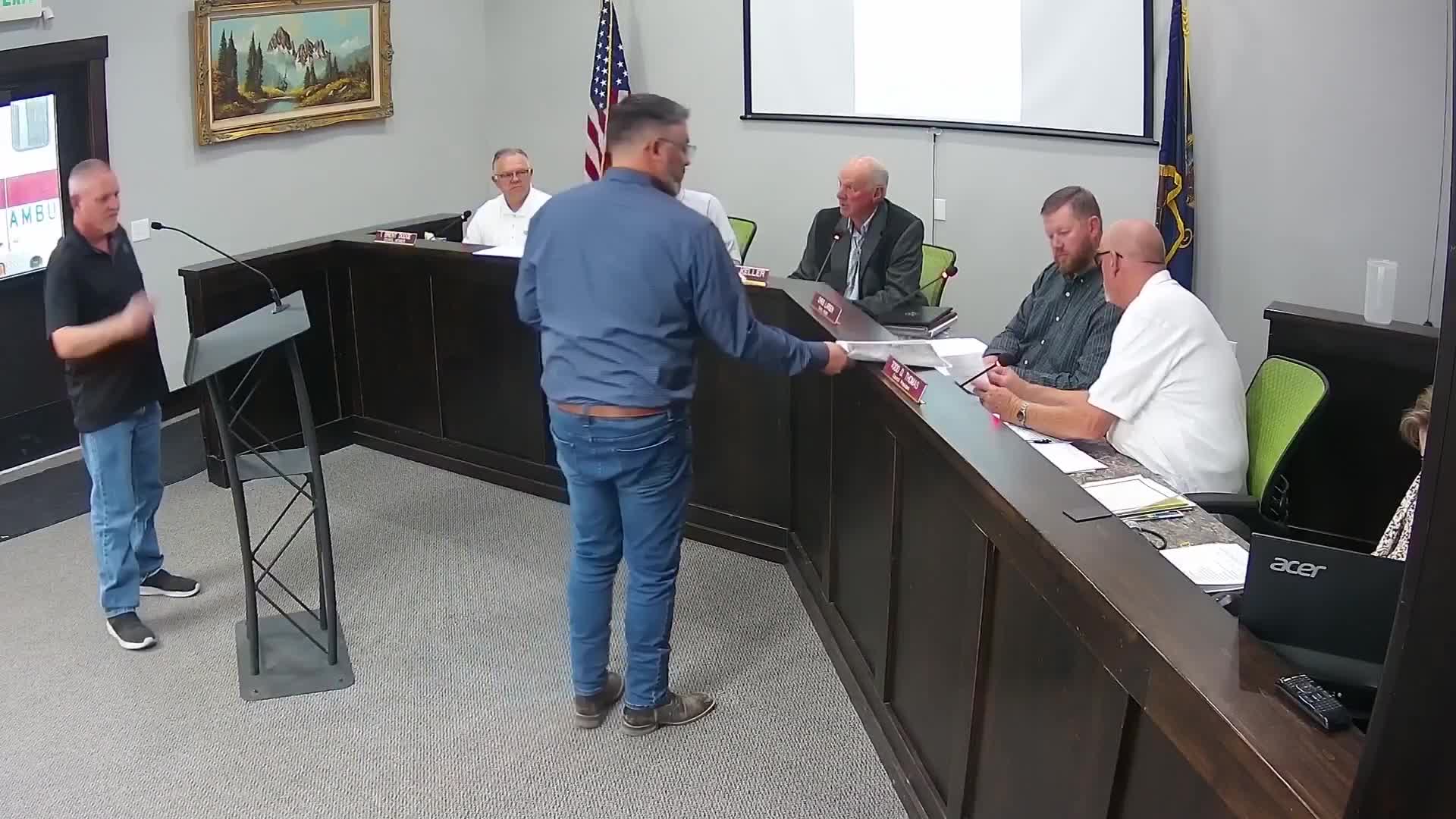
Summary
The Idaho Transportation Department on Aug. 11 told the Preston City Council it is updating a corridor plan for U.S. 91 through the city and surrounding Franklin County to assess capacity, safety and pavement needs looking 20 years forward.
The Idaho Transportation Department on Aug. 11 told the Preston City Council it is updating a corridor plan for U.S. 91 through the city and surrounding Franklin County to assess capacity, safety and pavement needs looking 20 years forward. The presentation asked the city for specific local concerns and pledged to incorporate public comments into a draft report expected next year.
The corridor is the state’s highway through Preston and is locally known as State Street. "We are conducting a corridor plan for US 91 from Utah to the Preston North city limits," said Chris Pearsall of the Idaho Transportation Department. "We're looking at capacity. We're looking at safety issues and things of that nature, and this is our opportunity to come meet with the city council and the mayor, let you know what we have found out to this point, and solicit any input from both the mayor, the city council, and the community at large."
Why it matters: Council members and local business owners described recurring collision risks, pedestrian near‑misses near schools and parks, and the routing of large trucks onto city residential streets to reach regional destinations. ITD officials said results from traffic counts and a safety analysis will feed project lists that can be programmed for funding; programming can put projects into state plans as far out as 2033.
What officials said: Nathan Cleaver of Keller (the consultant team) said counters were installed at seven intersections and the study area will extend to the airport. "The scope of the study will go all the way up to the airport," he said, and the team will look at intersections including Oneida, State Highway 36 and the six‑leg ("6‑point") intersection.
Several council members and members of the public pushed for quicker, lower‑cost fixes while the long planning and programming process moves forward. Council President Thomas and Councilman Dodge discussed restoring a left‑turn lane removed during a previous "road diet" and debated narrowing sidewalks or removing planters to recover roadway width. Council members asked whether traffic signal timing or permissive left phasing could create short‑term turning opportunities.
"I know there's a way to configure those traffic lights ... you could have a permissive left or a delay of both throughs at the same time," Thomas said, asking ITD to evaluate signal timing changes as a near‑term measure. Chris Pearsall acknowledged some changes are lower‑cost than full construction and said programming and funding remain competitive: "When I program projects every year ... it's seven years down the road."
Public concerns: Business owner comments described large semis being routed behind a Burger King onto a one‑way residential street; that routing, they said, creates operational and safety problems. A walkability study previously done for the city recommended speed reductions approaching downtown, pedestrian refuge islands, a pedestrian hybrid beacon, and landscaping/island changes to improve crossings.
Next steps and timing: ITD and the consultant team will complete the existing‑conditions analysis and publish a draft report in the months ahead, with another council presentation planned to present alternatives and recommended improvements. Pearsall said projects recommended by the plan will be prioritized for programming and competing statewide for funding; he indicated a typical programming horizon could put construction funding into the 2033 program unless higher‑priority scores or emergency needs advance a project sooner.
Discussion vs. decision: The council received the presentation and provided local input; no formal council action or vote was taken on design alternatives, funding or changes to city infrastructure. Council members requested follow‑up on signal phasing and shared the traffic count outputs with the ITD team for additional review.
Ending: ITD asked residents to submit specific locations and concerns to the project team; the city and consultants said they will share collected comments and the study’s draft when available so residents can review proposed alternatives and the project list that will be considered for state funding.