
Hundreds speak or attend as Sioux Falls public input centers on ‘Operation Prairie Thunder’
Get AI-powered insights, summaries, and transcripts
Subscribe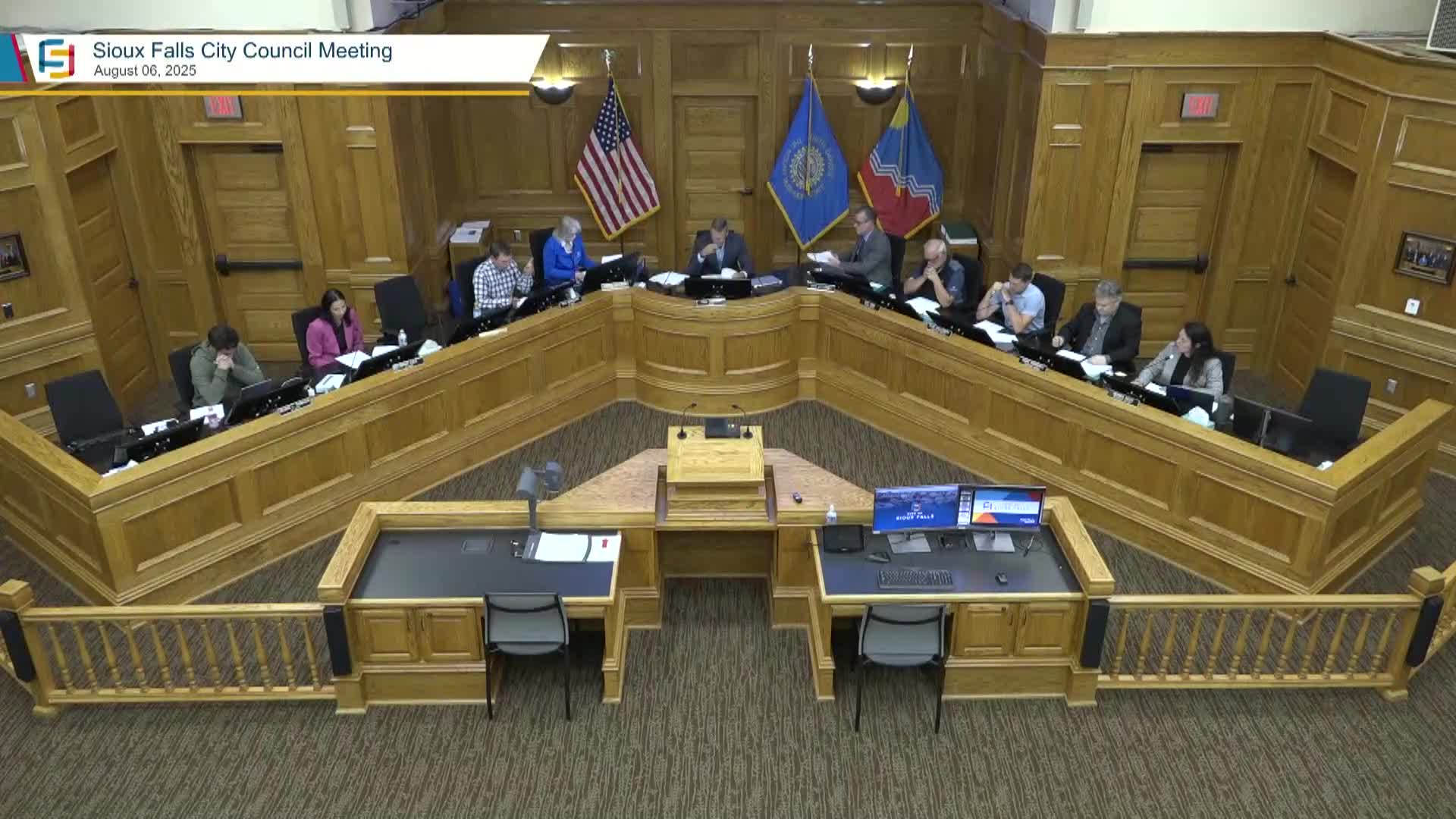
Summary
The council held a special public input segment on the state’s Operation Prairie Thunder; hundreds of residents — including immigrants, advocates, faith leaders and elected representatives — urged the city to use its voice to protect local communities and clarify the city’s role.
The Sioux Falls City Council held a focused public‑input segment on Aug. 6 after council members requested time to discuss the state’s Operation Prairie Thunder, a state‑led immigration enforcement initiative. Mayor Paul Tenhaken and Police Chief John Toombs described the city’s limited statutory role and emphasized that the operation is a state initiative; the council opened the floor to public comment and heard more than two hours of testimony.
Chief Toombs told the council that Sioux Falls law enforcement will continue its existing roles and described prior discussions with state and county partners. He said the city has repeatedly emphasized existing local task forces and the role of REMSA and county law enforcement in managing violent crime and drug interdiction. Toombs said the Police Department was not being asked to expand immigration enforcement roles.
Dozens of residents and community leaders spoke. Speakers included immigrant residents who said the presence of helicopters, National Guard and state patrols had created fear among families; pastors and service providers urged compassion and more housing and social‑service investment. Several speakers asked the mayor and council to use their public platforms to condemn the use of a state emblem for Operation Prairie Thunder that critics said included imagery offensive to Native American and Jewish communities; others called for accountability and clearer data on costs and targets for the state operation.
Representative Eric Maki (District 15) and former state legislator Linda Duba addressed the council; Maki offered the city his support and urged dialogue with the legislature. Community members urged the council to request state data showing who is being detained, the fiscal cost of the operation and its stated goals.
Mayor Tenhaken and councilors reiterated that the city lacks authority to block state operations but said they would continue to press for clear information and to protect trust between immigrant communities and local public safety agencies. The council did not take formal action; several members said they would seek additional information from the city attorney and the governor’s office.