
Lansing council approves $646,000 carryforward to buy modular ‘pod’ units for temporary shelter
Get AI-powered insights, summaries, and transcripts
Subscribe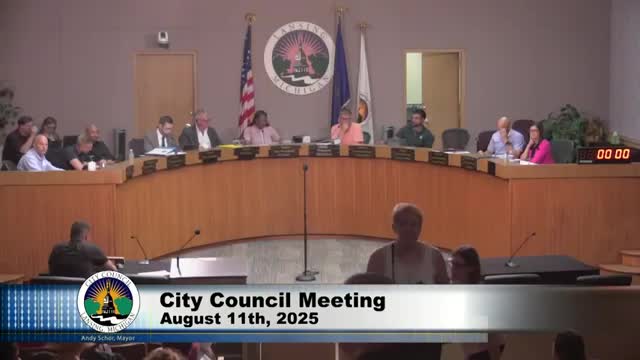
Summary
The Lansing City Council unanimously approved a fiscal carryforward to purchase modular shelter units and related storage and site preparation costs. The city and advocates said pods are a near-term step to provide secure, serviced space for people experiencing homelessness; critics called for faster timelines and stronger accessibility planning.
The Lansing City Council on Aug. 11 approved a resolution to carry forward roughly $646,000 from the 2024–25 budget to purchase modular housing units intended for transitional shelter use. The motion passed unanimously. Vice President Carter moved the resolution.
The adopted measure authorizes funds to buy modular “Mod Pod” units and related costs, including storage and relocation. Vice President Carter said the purchase options include “50 Mod Pod units, 8 by 8 by 8 and or 36 used single units, 8 by 8 by 8, and then 14 double units, 8 by 8 by 16.” Carter said the program anticipates serving about 66 guests per year, that HUD screening protocols will be used for City of Lansing and Ingham County guests, and that zoning and state licensing would still be required.
Advocates, residents and unhoused residents who addressed the council largely supported the pods as a needed, immediate intervention but pressed for faster timelines and clearer accessibility and program rules. Ariel Cushman, who said she had experience with local shelters, told the council, “9 months just to break ground is is a long long time, and there are people…that may lose their life.” Mercury Rose (they/them), an advocate involved with local housing efforts, thanked the council and urged planners to ensure the sites are accessible: “How are they going to determine who’s allowed to…live in these?…How are we making sure that it’s LGBT affirming space?”
Council presentations described on-site security and supports as part of the plan: the packet described 24/7 surveillance, a resource center, hygiene facilities, kitchenettes, community space, lockers, and a secured outdoor area. Carter told the council storage and relocation costs of about $20,000 were included in the funding request.
The council did not identify a final site during the Aug. 11 action; staff told members that locations must meet zoning rules and licensing and that HRCS will continue discussions with community partners, advocates and people with lived experience. Several public speakers said the proposed 3–6 month average stay would be too short for many people to transition to permanent housing.
Implementation steps noted in committee and at the meeting include vendor procurement, site selection, zoning review, state regulatory approvals, and ongoing coordination with Ingham County and community providers. Council’s approval covered the carryforward of funds only; subsequent approvals will be required before placement, utilities or operations begin.
Supporters said pods would reduce recurring costs and conflicts tied to encampment displacement, while critics and some council members asked for a clearer operations plan, accessibility guarantees for people with disabilities, and explicit outreach to LGBTQ+ communities and disability service providers.
The council approved the measure without recorded roll-call names; the motion passed unanimously.