Get Full Government Meeting Transcripts, Videos, & Alerts Forever!
Get email alerts on the Uhsaa Governance topic
No spam. Unsubscribe anytime.
Committee opens bill file to review UHSAA appeals process after discussion of governance and pending litigation
Summary
The Utah High School Activities Association described its governance structure and ongoing litigation; committee members asked whether a state‑appointed three‑member appeals panel defined in statute applies beyond transfer disputes and voted to open a bill file to clarify the appeals process.
The Utah High School Activities Association (UHSAA) briefed the Education Committee on its governance, disciplinary and appeals procedures and noted two areas of continuing litigation: gender‑designation participation in sports and student visa eligibility. UHSAA executive director Rob Cuff and assistant director Brennan Jackson described the association’s membership, board composition and regional governance structure and said member schools agree to be subject to UHSAA constitution and bylaws.
Cuff said the association is governed by a 15‑member board of trustees and supported by an executive committee made up of regional representatives. He said UHSAA uses panels composed of executive committee or board members to hear discipline and eligibility disputes and that the association appoints outside counsel for litigation. "The association is committed to stressing educational and cultural values," he said.
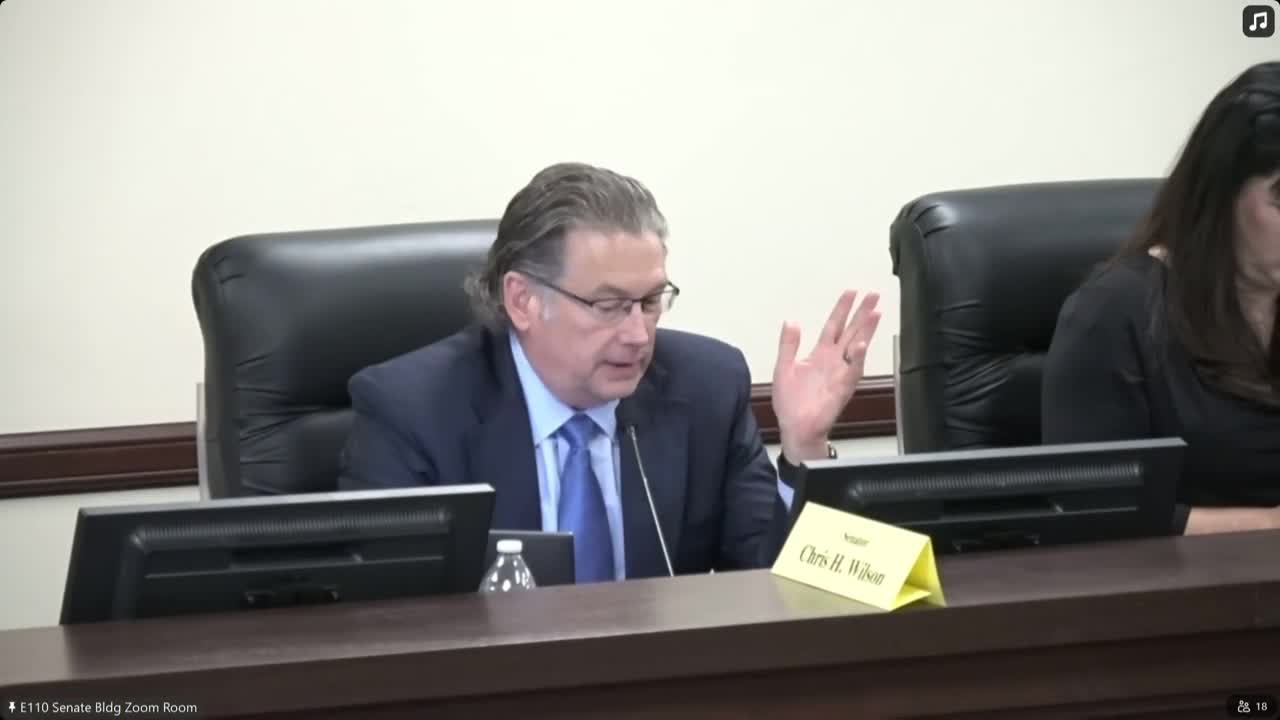
Committee concerns and statutory appeals process Members asked about the statutory appeals process in code section cited during the hearing (transcript reference to 53G711O6) and whether the three‑person appeals panel appointed with state board approval — which the association said is used for transfers of eligibility — should be available for a broader set of appeals to reduce litigation. "That may be something we should clarify," Representative Peterson said on the floor after staff reviewed the code language. Chair Johnson asked staff to open a bill file to examine the appeals panel’s scope and whether changes could reduce cost‑heavy litigation.
Pending litigation and finances UHSAA representatives said the association does not receive legislative funding; most revenue comes from state tournament events and corporate sponsorships, with dues from member schools representing less than 5% of the budget. The association maintains a reserve and an annual litigation budget item, Cuff said. Pending matters include cases on gender‑designated sports participation (represented by the Utah Attorney General’s Office) and a federal appeal concerning visa‑status eligibility for some students; the UHSAA has appealed a district court preliminary injunction to the Tenth Circuit.
COMMITTEE ACTION Chair Johnson moved to open a bill file to review statutory appeals procedures for the UHSAA and the committee voted unanimously to proceed.
ENDING Committee members and UHSAA leaders said they would continue the dialogue; the committee requested staff to draft options for statutes or policy language that would provide members a consistent pre‑litigation appellate venue if appropriate.