Get Full Government Meeting Transcripts, Videos, & Alerts Forever!
Get email alerts on the Higher Education Strategy topic
No spam. Unsubscribe anytime.
Board of Higher Education lays out four‑pillar strategic plan focused on access, completion, value and economic development
Summary
The Utah Board of Higher Education presented a revised strategic plan emphasizing access, meaningful completion, financial value and economic development; leaders described new tactics including expanded K‑12 partnerships, elimination of application fees for Utah residents and proposals for direct admission programs.
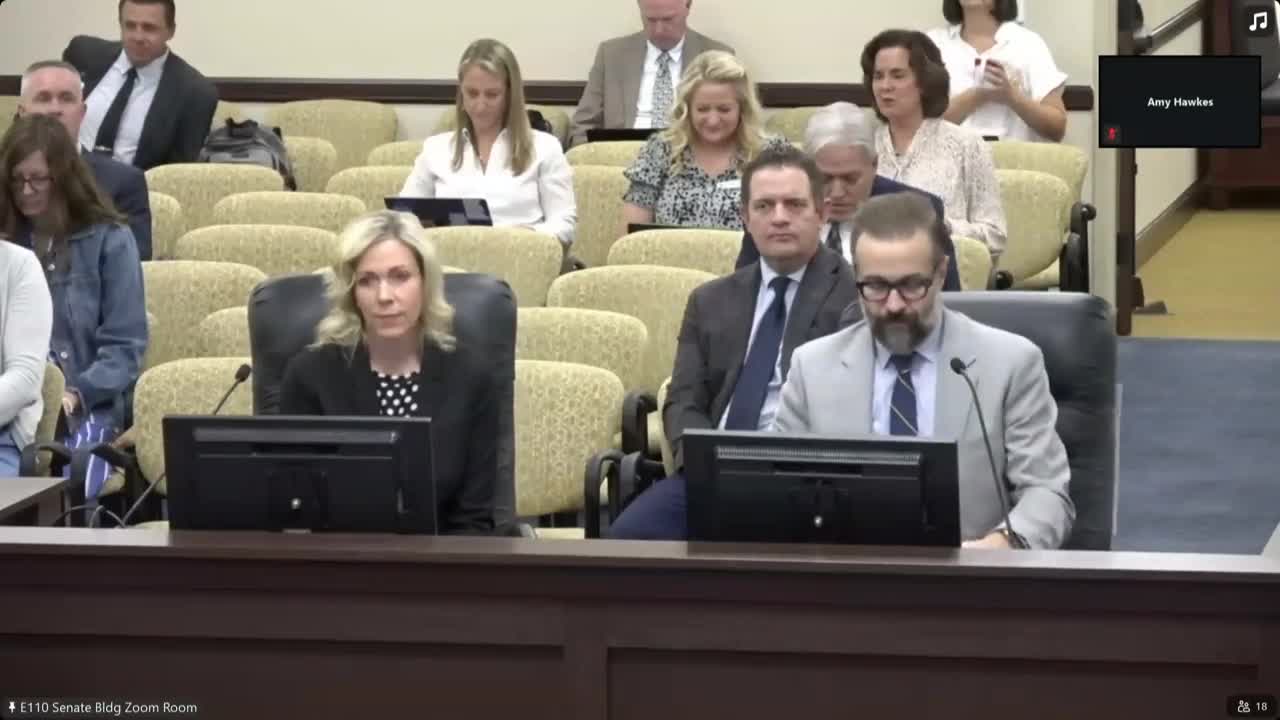
The Utah Board of Higher Education presented its updated strategic plan to the Education Committee, emphasizing four priorities — access, completion, financial value and economic development — and outlined tactics intended to better align postsecondary institutions with workforce and state needs.
The plan, introduced by Jeff Lambert, Commissioner of Higher Education, and Amanda Covington, chair of the Board of Higher Education, updates earlier strategy after the board’s membership was replaced last year and reflects work with institutional presidents, trustees and state offices. "This is a living document," Commissioner Lambert said, describing a 2024 task force and outreach to legislators, the governor’s office and the legislative fiscal analyst’s office.
Board leaders said the plan narrows the mission to operating as a cohesive system that includes both degree‑granting institutions and technical colleges. "We want to provide value," Covington said, adding the board expects institutions to demonstrate a positive return on investment for both students and taxpayers.
Why it matters: Board members and the commissioner framed the changes as a response to questions about higher education’s public value. The committee heard specific tactics that would affect students’ pathways into and through college: stronger K‑12 partnerships under a "First Credential" framework, expanded concurrent enrollment tied to technical education, elimination of application fees for Utah residents, pilots for simplified or automatic (direct) admissions, and consideration of accelerated bachelor’s degree pathways.
BROAD TACTICS AND BOARD OVERSIGHT Board members said they have built a dashboard and require updates on strategic priorities at each meeting. On access, the board highlighted a partnership with K‑12 to let students earn credentials of value while in high school and to expand concurrent enrollment to technical education. On completion, the board emphasized credentials that are "meaningful" for employment. On financial value, leaders said they have revised tuition/fee proposals downward in some cases and will apply scrutiny to institutional proposals to contain student costs.
The board repeatedly raised workforce alignment and durable skills — the broad general education and critical thinking outcomes that leaders said will help graduates adapt in a changing economy. "It’s not us giving you the answer to questions. It’s us teaching you how to ask the right questions," Lambert said when lawmakers asked about preparing students for AI and other future changes.
LEGISLATIVE PARTNERSHIP AND NEXT STEPS Commissioners and board members said some initiatives — notably a direct admissions model that would automatically admit Utah students to appropriate institutions — will require coordination with the Legislature and the K‑12 system. "We’re going to need your help," Commissioner Lambert told the committee, noting that some tactics will need legislative or policy support.
Committee members applauded the plan’s focus on system governance, transfer and completion, and asked the board to protect broad general education and civic‑learning elements. Several legislators emphasized college readiness and the need to avoid micromanaging higher education while preserving institutions’ ability to be competitive and appealing to students.
ENDING Board leaders left the committee with an invitation to work together on pilot designs and policy changes needed for direct admission, credential alignment between K‑12 and higher education, and continued attention to affordability and workforce alignment.