Get Full Government Meeting Transcripts, Videos, & Alerts Forever!
Get email alerts on the Judiciary Chief Justice Selection topic
No spam. Unsubscribe anytime.
Committee hears compromise to let governor appoint Utah chief justice, delays vote until quorum
Summary
A Judiciary Interim Committee heard a presentation on draft legislation that would let the governor appoint and the Senate confirm the chief justice for a single eight-year term; the committee held a public hearing, heard mixed public comment and later voted to favorably recommend placing the draft on a potential special session call.
The Judiciary Interim Committee on Tuesday heard a presentation on draft legislation that would change selection of Utah's Supreme Court chief justice so the governor appoints the chief justice with advice and consent of the Senate and limits the officeholder to a single eight-year term.
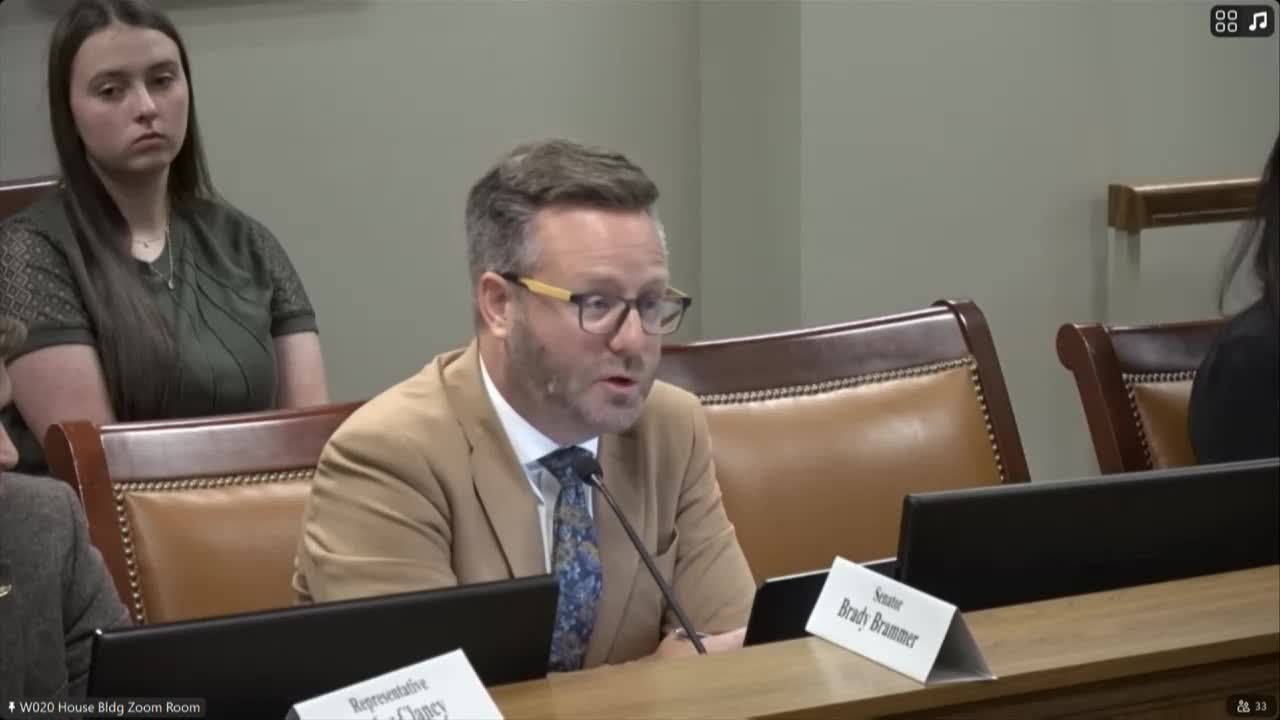
The bill, described by sponsor Senator Wilson as a compromise negotiated with the governor after SB 296 was vetoed earlier in the year, would trigger the new appointment process when the chief justice's office becomes vacant, and would make the first change effective at the end of the current chief justice's term. "The bill provides that the chief justice will be appointed by the governor and confirmed by the senate," Senator Wilson said during his presentation.
The draft clarifies that the current chief justice, Matthew Durrant, who was appointed in 2024, will keep a four-year term that expires April 1, 2028, unless he retires or steps down, and that any chief justice appointed before the bill takes effect would likewise have a term ending April 1, 2028.
Why it matters: the Utah Constitution gives the Legislature authority to set the selection process for the court's internal leadership; the draft would shift the mechanism from the court's internal election (the current practice in Utah and 22 other states) to gubernatorial appointment with Senate confirmation, like the federal model but with a fixed single eight-year term.
Committee discussion and public comment: committee members asked about other states' approaches and consultation with the judiciary. Senator Wilson told the committee he and others "negotiated with the governor" and that the governor "is on board" with the revised language. When Representative Miller asked whether the Supreme Court had been consulted, the sponsor said he had not received communications from the justices and had primarily negotiated with the governor's office.
Three members of the public testified. A representative of the Sutherland Institute expressed support for the proposal. Steven Rosenberg, who identified himself as a Utah small-business owner, testified against the change and urged the committee to "leave it alone. Let the justices choose their own leader," arguing separation of powers concerns. Kimball James of Ogden said he valued judicial independence and preferred the justices choose their own chief justice.
Staff explained the chief justice's distinct roles: as the Supreme Court's presiding officer and as the judiciary's chief administrative officer and presiding officer of the Utah Judicial Council. Assistant State Court Administrator Michael Drexel told the committee the chief justice also runs the Judicial Council and performs administrative and statutory responsibilities distinct from opinion-writing.
Formal action: after public comment the committee returned to the item later in the meeting and Representative Lisonbee moved that the committee favorably recommend the draft judiciary amendments for possible inclusion on a special session call. The motion passed; the clerk conducted a roll-call style check and the record shows the motion passed with several members voting no. The committee directed that the draft be placed on the potential special session call.
What the bill would not do: the presentation and subsequent discussion made clear the proposal would not change individual justices' decision-making authority on cases. "Does he get to tell the other four judges how to rule on decisions?" a member asked. Assistant Administrator Drexel replied, "No."
Next steps: the committee approved a recommendation that the draft be considered for the special session; the sponsor said the bill would be on the special session call in September. The committee did not adopt additional amendments during the hearing.
Ending note: committee members who raised concerns emphasized judicial independence and asked about the extent of prior consultation with the judiciary; supporters said the change is a negotiated compromise with the governor intended to address administrative concerns about court functioning and to provide additional executive-legislative checks through confirmation.