Get Full Government Meeting Transcripts, Videos, & Alerts Forever!
Get email alerts on the Vehicle Emissions And Registration topic
No spam. Unsubscribe anytime.
Committee backs draft fix to prevent unintended truck emissions testing
Summary
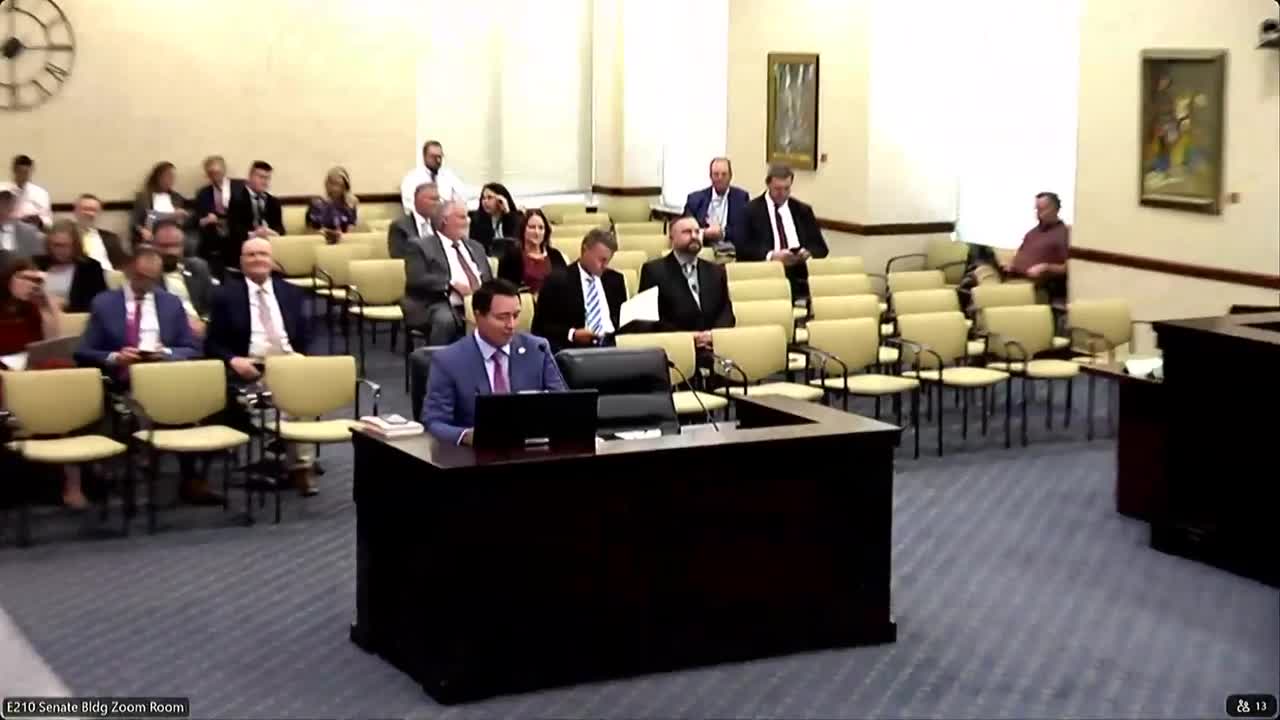
The Transportation Interim Committee unanimously recommended support for draft language that would undo an inadvertent emissions-testing trigger tied to a recent vehicle-weight change, while clarifying the tax treatment for affected vehicles.
Representative Okerlund introduced draft legislation intended to correct an unintended effect of a recently enacted weight threshold change for vehicle registration and taxes. The committee voted to favorably support the draft for consideration in a potential special session.
The sponsor said the earlier bill — “Bill 272” — had raised the gross vehicle weight threshold from 12,000 pounds to 14,000 pounds to change the tax treatment for medium‑duty vehicles. Representative Okerlund said the change “inadvertently … triggered … vehicle emissions testing for those trucks,” and that the affected heavier vehicles lacked the onboard diagnostic equipment used in standard OBD inspections.
Riley Williams of Legislative Research and General Counsel confirmed the draft would “move the vehicle weights back to what they were before, so that it doesn't affect emissions,” and said the draft includes a retrospective effective date of July 1 to cover recent registrations.
Deputy Jason Gardner of the Utah State Tax Commission told the panel the tax component of the prior bill had already been implemented: “The tax issue is moved to the 14,000 and has been since July 1,” he said, adding that the draft's purpose was to remove the unintended expansion of emissions testing to heavier diesel vehicles.
Committee members pressed for clarity on who would be eligible for refunds where registrations were affected and how the tax rates would be applied. Representative Thurston summarized the practical impact: if people had been overcharged because of the mismatch, the intent is to allow them to request refunds. Committee counsel Kurt Gosser noted that a committee recommendation on a special session bill is informal and would not create a binding committee note.
Senator Reebay moved, and the committee unanimously approved, a motion to favorably support the draft for a potential special session. Gosser emphasized the motion was effectively committee support rather than a formal committee report tied to a special‑session bill.
The committee did not take up additional amendments in the public meeting. Staff said final draft language would be produced for members ahead of any special‑session consideration.
Why it matters: The change would restore the sponsor’s original intent (adjusting tax treatment for certain medium‑duty vehicles) while avoiding a broader regulatory outcome (expanding emissions tests to vehicles without compatible OBD systems).
What’s next: Staff will circulate draft language intended for a special session; the committee’s favorable recommendation is advisory only and does not bind the full Legislature.