Get Full Government Meeting Transcripts, Videos, & Alerts Forever!
Get email alerts on the Regional Flood Management topic
No spam. Unsubscribe anytime.
Amite River Basin Commission unveils master plan, estimates $3.5–4 billion program could halve annual flood losses
Summary
Paul Sawyer, executive director of the Amite River Basin Commission, told the Louisiana Resilience Task Force the commission has completed a master plan and is moving toward multi‑parish cooperation and project delivery; the plan estimates average annual flood damages of about $210 million that could rise to $550 million if nothing is done, and a
The Amite River Basin Commission presented a basin‑scale master plan to the Louisiana Resilience Task Force and described a new phase of multi‑parish cooperation to turn decades of study into projects. Executive Director Paul Sawyer said the commission had been reconstituted by the 2022 legislature (Act 490) and that the master plan was intended to be a basin‑level counterpart to the state coastal master plan.
Master plan findings: Sawyer told the task force the basin’s average annual flood damages are roughly $210 million per year based on historical events and that, without action, the commission estimates average annual losses could increase to about $550 million. He said the master plan’s estimated cost is about $3.5–4.0 billion and that fully implemented measures would cut expected annual losses by more than half. The commission also estimated the potential for about $25 million per year in avoided flood‑insurance premiums if updated modeling and mitigation reduce mapped risk for many structures.
Why it matters: The Amite River Basin spans seven parishes (East Feliciana, St. Helena, East Baton Rouge, Livingston, Ascension, Iberville and St. James) and includes both upland, flashy tributaries in the north and tidal/coastal influences in the southern reaches. Sawyer emphasized the basin’s dynamics: projects that move water faster upstream can increase downstream damages unless coordinated, and backwater/tide effects in the lower basin complicate solutions. The commission’s work aims to coordinate parishes that historically acted independently so projects do not simply shift risk across boundaries.
Project and program types: The master plan runs a menu of actions: restoration of river meanders and conveyance, regional detention and reservoirs in the upper basin, diversion projects (the Comite River Diversion Canal is a Corps‑led, ongoing example), pump stations and targeted channel improvements, and policy and mapping updates. Sawyer described legacy federal projects (including the Comeite River Diversion authorization) and urged the legislature and federal partners to prioritize implementation and funding.
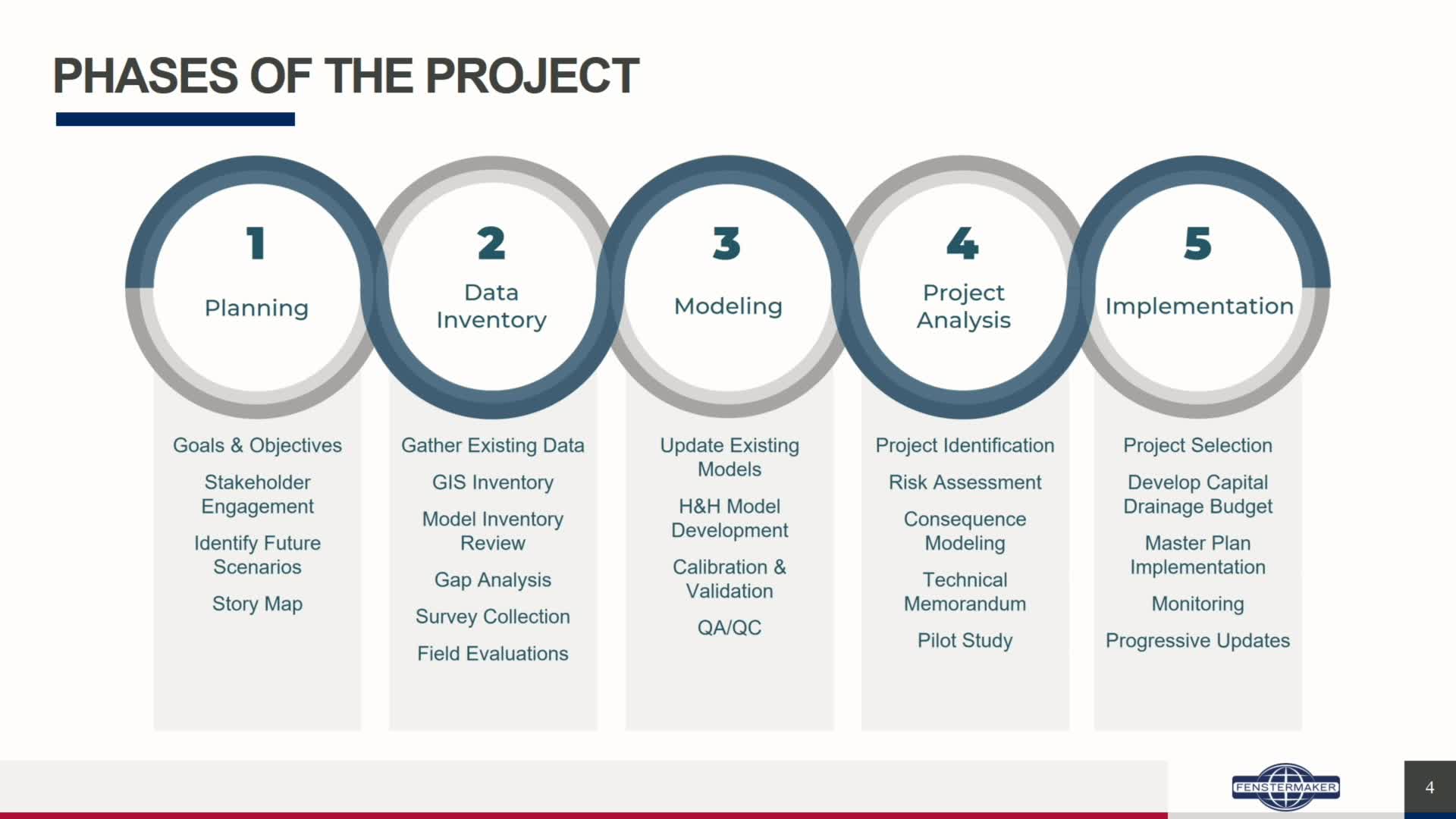
Funding and timeline: Sawyer described the master plan as ‘‘historic’’ in scope, and he said the commission has begun converting some master‑plan concepts to projects. He noted that previous large projects have taken decades (the Comite River Diversion Canal authorization and rising construction cost were cited) and that the commission needs sustained funding and political coordination across parishes to deliver action in the near term.
What was not decided: The presentation provided no new statutory authorities or appropriations; it described the plan, the commission’s governance and a project pipeline. Sawyer asked for continued legislative and federal support but did not present a formal funding vote or action at the task‑force meeting.
Ending: Sawyer asked that state and federal partners use the Amite River Basin master plan as a guide for multi‑parish investments, stressing that a coordinated basin approach is required to avoid unintended downstream impacts and to realize economic and safety benefits for residents.