Get Full Government Meeting Transcripts, Videos, & Alerts Forever!
Get email alerts on the Homeless Shelter Operations topic
No spam. Unsubscribe anytime.
Strides leaders describe 24/7 operations, $2.4 million annual burn and staffing shortfalls as township delays budget
Summary
Leaders of Strides, the city’s low‑barrier shelter, outlined operations, safety policies and programs and said the shelter’s current operating cost is about $200,000 per month as township trustees pressed for more data and deferred the township budget for further review.
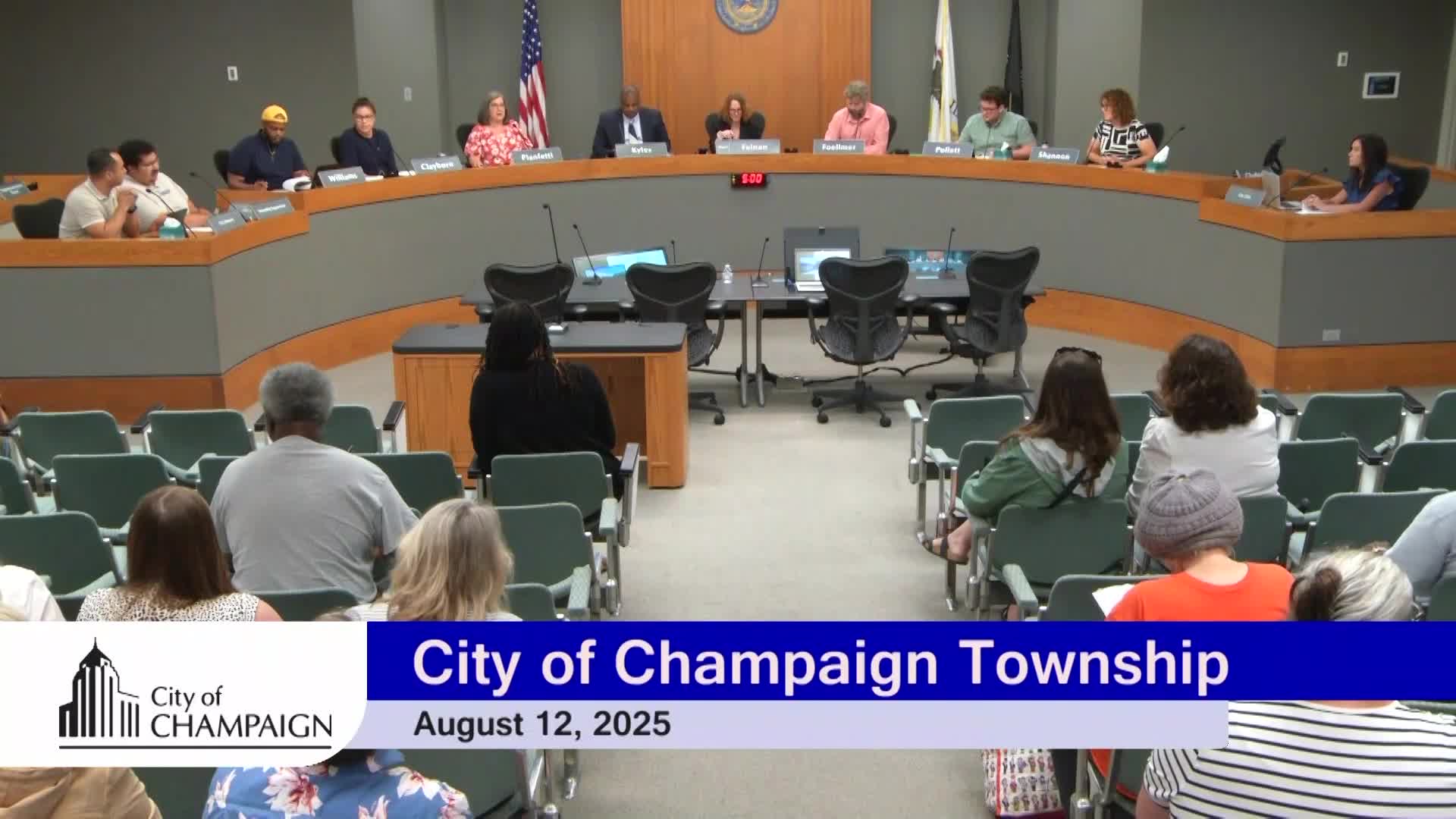
Strides shelter leaders told the Cunningham Township board on Aug. 12 that the low‑barrier, housing‑first shelter operates 24 hours a day, serves hundreds of clients per year and faces persistent staffing and funding shortfalls.
At a presentation to the township board and city council members, Strides staff described the shelter’s approach and day‑to‑day rules, outlined a rapid‑rehousing pilot and provided demographic and program statistics. Township staff later told trustees the shelter’s estimated operating cost is roughly $200,000 per month, or about $2.4 million per year, prompting several trustees to request more detailed budget breakdowns.
Why this matters: Strides is the city’s principal low‑barrier shelter. Trustees said they want clearer, line‑item financials and program data before approving the township fiscal year 2025–26 budget; the board voted to defer the preliminary township budget to allow staff time to supply additional information.
Strides’ model and services
Carla Zarnsi, Strides director of sheltering, described the program as “low barrier housing first [with] harm reduction,” saying staff do not require sobriety or abstinence or bar guests based solely on criminal records. She said staff collect contraband at intake and prohibit substance use on the shelter property.
Charlene Murray, director of operations and community relations, and Shaya Robinson, director of guest relations, detailed services and partnerships. Robinson said: “In fiscal year 2025, we served 392 clients,” and she outlined guest demographics and self‑reported health and behavioral challenges the shelter tracks.
Programs cited included an IDHS‑funded rapid‑rehousing pilot that supported six households (three completed the program and two later obtained subsidized housing), in‑house case management, a day center that operates 9 a.m.–6 p.m., on‑site health‑screening partners, mobile computer lab services, and monthly guest forums. Strides uses incident reports, “breaks,” “pauses,” sanctions and trespass notices to manage safety and conduct; Robinson said trespasses are typically issued for three months (police had recommended that timeframe).
Staffing, facilities and costs
Kyle (township supervisor) told trustees the shelter is “under‑resourced” and estimated monthly operating costs at about $200,000, or roughly $2.4 million annually. He and Strides staff said the program currently has 27 full‑time direct service staff, two PRN part‑time staff and three directors; staff work overlapping nine‑hour shifts in teams.
Strides leaders said minimum staffing for overnight shifts can be as low as two staff, but daytime operation of the day center requires more: Strides staff recommended three safety staff at the door plus a floater and case‑management coverage. The presenters told trustees that short staffing has forced the shelter to close the day center “once or twice per month” during wintertime illness surges and more often this summer with increased call‑offs.
Kyle and Strides staff described maintenance and capital issues: planned flooring work (contract signed by the township but not yet by the contractor), HVAC concerns and blind spots in exterior camera coverage. Kyle said staff have discussed fencing the property but that a nearby construction project may affect those plans.
Community concerns and public comment
The Strides presentation prompted extended questioning from trustees and many members of the public. Dozens of downtown business owners and residents told the board they see safety, sanitation and public‑order problems near the shelter; some said drug use, trespass and property crime occur on or near the Strides campus and asked the township to withhold additional funding until the shelter improves operations.
Daniel Wells, a downtown property owner, told trustees the presentation was “a very rosy picture” that missed drug use, vandalism and repeated sanitation incidents near the shelter. Several other nearby business owners and residents described vandalism, thefts from vehicles and people sleeping on private property.
Trustee requests for data and oversight
Multiple trustees said the materials provided before the meeting lacked the level of financial detail and performance data needed to evaluate continued funding. Council member Shannon noted an apparent jump in the draft budget line labeled “office supplies” (from about $30,000 last year to $185,000 in the proposed budget) and asked for a narrative to explain large variances. Trustees asked for a monthly or quarterly operational data package, including counts of unique guests, bed usage, average length of stay and a staffing plan tied to service levels.
Board action and votes at the meeting
- The township approved routine items earlier in the meeting, including minutes for the July meetings and a June summary of expenditures (voice votes; recorded as carried).
- Trustees voted to approve and put on file Strides’ July financial report (motion recorded and carried during the meeting).
- After discussion about missing details, the township voted 8–0 to defer final action on the preliminary fiscal year 2025–26 township budget so staff could supply more detailed budget breakdowns and operational data.
What’s next
Trustees directed Strides staff and the township supervisor to provide a more detailed budget narrative and a regular operations data package. Multiple trustees and the supervisor also recommended a facilities audit and clearer documentation of staffing needs and training. Strides leaders said they will continue outreach with community partners and recommended volunteers and more partnerships to expand services. Several trustees said the township would publish and circulate the requested data to board members before a special meeting to reconsider the budget.
Ending
Strides staff said they will supply requested financial and operational data and meet with trustees and stakeholders; the board postponed final budget action to allow time for that information to be prepared and reviewed.