
Residents urge county to expand shelter services as stray animals overwhelm resources
Get AI-powered insights, summaries, and transcripts
Subscribe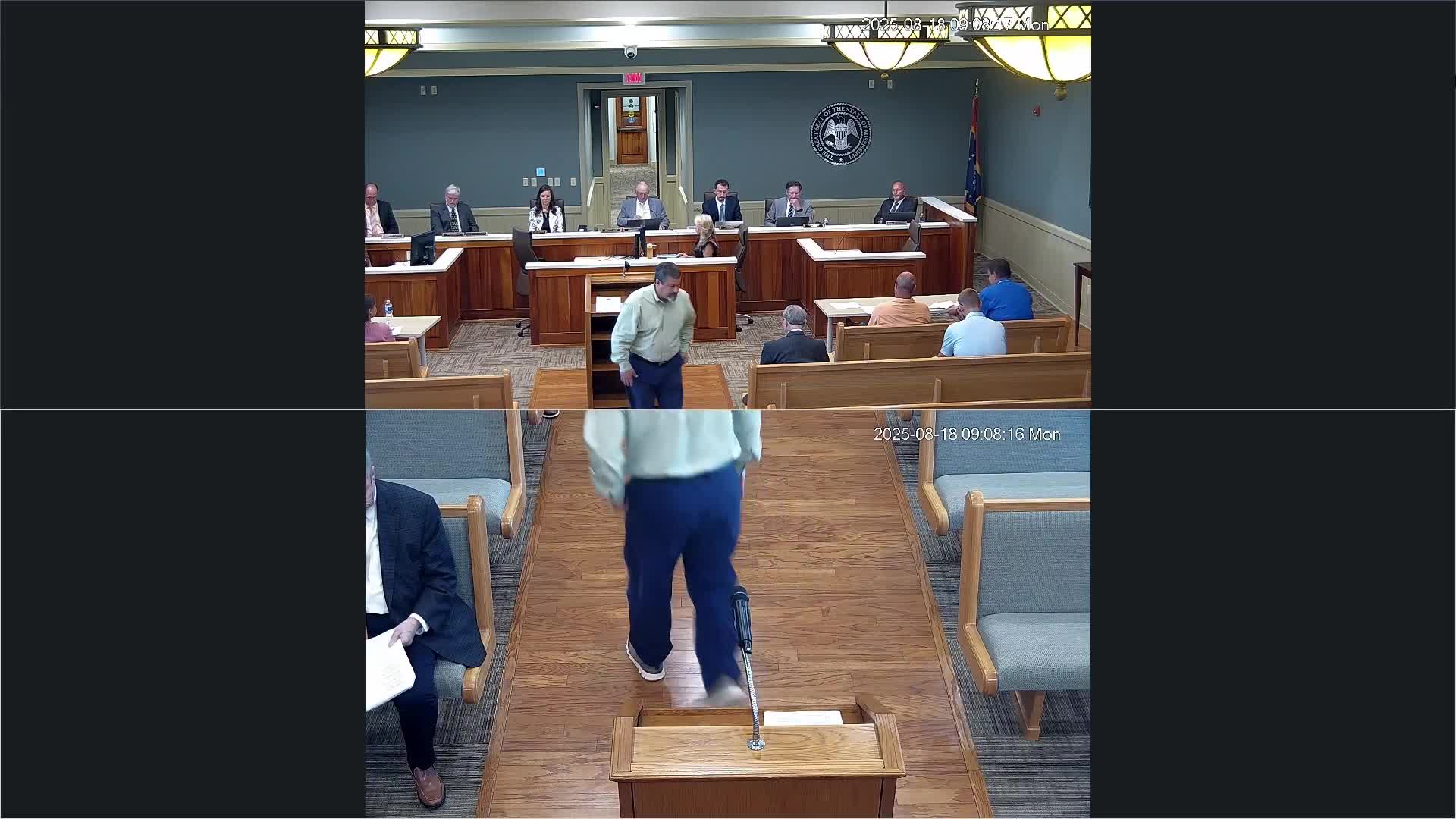
Summary
During the Aug. 4 Hancock County Board of Supervisors meeting, residents urged supervisors to expand shelter capacity, veterinary services and voucher access after speakers said local rescues and shelters are at capacity and state vouchers are harder to use locally.
At the Aug. 4 meeting of the Hancock County Board of Supervisors, residents asked supervisors to broaden plans for a proposed animal shelter to include vaccination, spay/neuter clinics and outreach after speakers said local shelters and rescues are full and state vouchers have become harder to use locally.
The comments came during the public-comment portion of the Board of Supervisors meeting. Diane Struthers, who identified herself as a neighbor, told supervisors the county should "consider making this new shelter project more than just a housing facility, turning into an educational, outreach" operation to provide low- or no-cost clinics and services for residents. She said those services reduce disease transmission and the number of animals entering the system.
The speakers described a strained local system: several local rescue groups and the county shelter were described as "full to capacity," and speakers said state spay/neuter vouchers that used to be accepted at multiple providers are now valid at only two clinics in the region. One commenter said the reduced voucher access and transportation barriers—many residents are elderly or lack reliable transport—make it difficult for owners to use the help that does exist.
"Please come up with something. This community or our community is just being overrun with stray animals," a commenter said during public remarks, asking the board to consider alternative approaches beyond enforcement, including outreach and on-site clinic services.
Board members asked the speakers to leave contact information and discussed arranging a site visit; a board member said they planned to coordinate a tour of the Gulfport shelter and follow up with the speakers. No formal policy or funding decision was made at the meeting.
Why it matters: speakers told the board that full shelters, constrained voucher access and transportation limitations are increasing public-health and nuisance risks and placing added demand on volunteers and rescue groups. Residents urged supervisors to pursue shelter design and programming that includes clinic space, vaccination and spay/neuter capacity, and expanded local provider participation for state vouchers.
Meeting context: the remarks occurred during public comment and were not tied to a board vote. Board staff asked speakers to leave contact details and said staff would follow up about a site tour.