
Board weighs governor's order on student personal devices and a strict, uniform schoolwide policy
Get AI-powered insights, summaries, and transcripts
Subscribe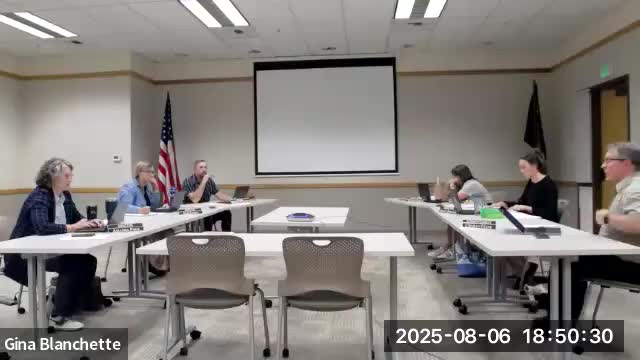
Summary
Following a governor's order on personal electronic devices, district administrators recommended an immediate, simple-to-enforce cell-phone policy. The board directed staff to draft a policy, consult legal counsel and aim to communicate changes by Sept. 1.
District administrators told the school board they had met with building leadership and recommended a clear, strictly enforced personal-electronic-device policy beginning at the start of the school year, in line with the governor's executive order. Administrators favored a simple enforcement model to avoid inconsistent, teacher-by-teacher application and to reduce the "whack-a-mole" effect administrators said would follow from partial enforcement.
Superintendent Sharan said the administration had consulted building staff and a nearby district (Culver) that has implemented a similar policy; Sharan told the board, "They'd like to begin the year with this practice in place as opposed to changing it as we go forward." The administration described a proposed discipline ladder that the board discussed: an initial confiscation for classroom-use violations with return at the end of the day; a second offense requiring parent pick-up or parent confirmation; and a third offense requiring a scheduled parent meeting with staff.
Administrators and board members debated practical details: how schools would track warnings across multiple teachers and classrooms, whether exceptions should be permitted (for IEPs, medical needs or teacher-approved instructional uses), and the equity implications when students rely on phones for safety or for rides home. High-school administrators acknowledged the issue is most pronounced at secondary level; elementary buildings reported longstanding local practices that already limit phone use.
Board members asked the superintendent to have the district attorney draft proposed policy language and asked that a draft appear in the next board packet. The superintendent said the administration would begin communicating generally about the governor's order and the district's intent; the board directed staff to aim for an initial parent communication about the rule and timeline before school starts, and discussed a target Sept. 1 rollout for enforcement. The board agreed to review the attorney-drafted policy at the August 20 meeting and to schedule a work session if additional revisions are needed.
Administrators noted practical accommodations: elementary classrooms might use locked classroom storage or students' backpacks/fanny packs rather than central office collection, and teachers should be trained to avoid using phone policing to the detriment of instruction. The board requested clarification on tracking systems for offenses and on exceptions that preserve student safety and confidentiality.