Board discusses first read of cell‑phone policy; administrators plan staged implementation
August 14, 2025 | David Douglas SD 40, School Districts, Oregon
This article was created by AI summarizing key points discussed. AI makes mistakes, so for full details and context, please refer to the video of the full meeting. Please report any errors so we can fix them. Report an error »
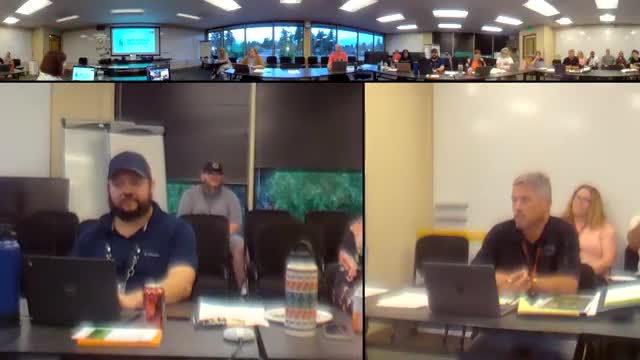
Staff noted the policy contains bracketed option language where the board must choose detailed implementation approaches — for example, whether devices should be stored in district‑provided pouches, lockers, backpacks, or “on their persons” if storage is not available. Superintendent Ken offered draft language intended as a practical catchall: devices stored in district‑provided pouches or secure storage when provided; if storage is not provided, students must keep devices in lockers, backpacks, or on their person following school‑specific guidelines; devices may not be used during instructional hours.
Administrators raised practical issues and options: some high school campuses have caddies or pouches and are exploring buying $30 pouches for student use; others said lockers are not used by many students and could cause theft or sharing problems. District staff noted some classrooms or older buildings may lack alternative means for staff to receive urgent messages and asked for exceptions where staff need phone access for safety or operational reasons.
The draft policy includes an exemption process for students with IEPs, Section 504 plans, or documented medical conditions, and staff said they are awaiting additional guidance and a toolkit from state education partners that might include sample letters and communications materials. The district also plans to consider cultural or translation‑related exceptions in administrative rules.
Board members and administrators emphasized avoiding punitive outcomes that would worsen equity concerns — for example, suspensions or detentions for phone possession when a student relies on a device for family communication, work, or caregiving responsibilities. Several members recommended emphasizing nonpunitive remedies and restorative approaches and weighing staff enforcement capacity, bus safety, and field‑trip supervision.
Staff asked the board to permit a staged rollout and to revisit the policy in six months once implementation experience and any new state guidance are available. The board did not adopt a final policy at first read; staff will bring additional materials including administrative rules, exemption procedures, and sample communications for a future meeting.
View the Full Meeting & All Its Details
This article offers just a summary. Unlock complete video, transcripts, and insights as a Founder Member.
30-day money-back guarantee
Sponsors
Proudly supported by sponsors who keep Oregon articles free in 2025

