
Commission approves ground‑floor residential at South Anchor; neighbors question whether design meets development agreement
Get AI-powered insights, summaries, and transcripts
Subscribe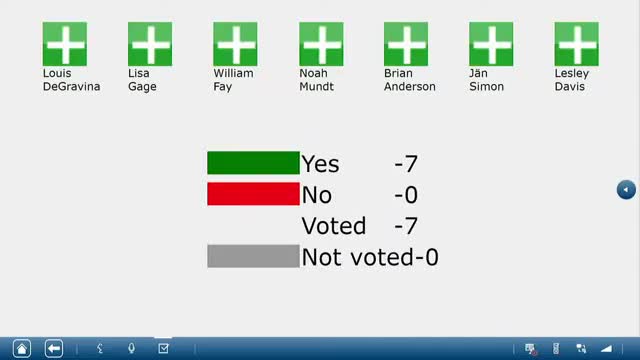
Summary
The Planning Commission approved a conditional use permit allowing ground‑floor residential in the Heritage Village Center for the South Anchor project, while public commenters argued some ground‑floor units do not meet the development agreement’s brownstone requirement.
The Planning Commission voted to recommend approval of a conditional use permit permitting ground‑floor residential at the South Anchor development at Gilbert and Elliott, after staff found the proposal met the zoning district’s conditional‑use findings. Several residents urged that the ground‑floor units facing Ash Street meet the development agreement’s brownstone standards.
Project summary: Planner Kristen Devine described the project as a single‑phase, horizontal mixed‑use development on a 2.8‑acre parcel at Gilbert and Elliott. The proposal includes a commercial building on the hard corner and a residential structure with a wrapped parking garage; Devine said the project proposes about 175 residential units and approximately 14,600 square feet of commercial uses. “To be eligible for a conditional use permit, they need to meet four findings of fact. Staff does feel like they have met these four findings of fact, and we do recommend that you recommend approval of UP‑25‑15,” Devine said.
Design and development‑agreement issue: A public commenter, Doris (Doralis/Dorley) Liddell, and other residents raised an interpretation question about the site’s development agreement. Liddell said the agreement requires “a brownstone design” for west‑facing ground‑floor residential and asked staff to point to where “row‑like” attributes were allowed. Devine and the applicant’s representative, Hannah Bleem, responded that the conditional use permit is an allowed option in the HVC zoning district and that design review and the Redevelopment Commission will address detailed elevations and façades. Bleem said the CUP is permitted in the district: “It is the CUP is an option within the zoning district,” she said.
Commission action and context: Commissioners discussed the role of subsequent design review; Commissioner Simon confirmed the Redevelopment Commission will review the design. Commissioner Anderson and Vice Chair Fay indicated support for the project’s contribution to activating the corner and said they were comfortable moving forward with the CUP approval while the design review proceeds.
Next steps: The CUP was recommended for approval; the project will proceed to design review before the Redevelopment Commission and to final approvals as required. Residents asked staff to confirm whether specific design elements required by the development agreement — specifically “brownstone” features on Ash Street — are mandatory or whether the proposed “row‑like” stoop/stoop attributes meet the covenant; staff indicated they will clarify the development‑agreement language and handle detailed building appearance during design review.
Ending: The commission approved the CUP, and staff will continue review under design‑review processes that include the Redevelopment Commission and subsequent public hearings.