Auditors give La Paz County ‘‘clean’’ FY2023 opinion but cite seven material weaknesses, focus on IT controls
Loading...
Summary
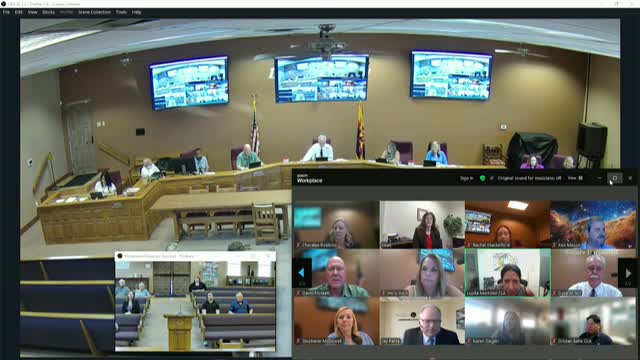
CliftonLarsonAllen LLP and the Arizona Auditor General presented La Paz County’s fiscal year 2023 audit on Aug. 18, saying they issued an unmodified (clean) opinion on the county’s financial statements and federal awards while listing seven material weaknesses—mainly deficiencies in IT controls—and three significant deficiencies.
CliftonLarsonAllen LLP and the Arizona Auditor General presented La Paz County’s fiscal year ended June 30, 2023, audit to the Board of Supervisors on Aug. 18, telling the board the county received an unmodified (clean) opinion on its financial statements and on federal award compliance but that auditors identified seven material weaknesses—largely related to information-technology controls—and three significant deficiencies.
The audit matters were outlined by Lupita Martinez, principal with CliftonLarsonAllen, and Tristan Bahi, the engagement senior. Martinez said, “you did receive a clean opinion, and it's also referred to as unmodified,” and noted the firm also issued an unmodified opinion on the county’s federal awards and on the county’s AELR (expenditure limitation) report.
The auditors told the board the seven material weaknesses included accounting and prior-period adjustments, IT risk-assessment gaps, periodic reviews of user access, data-classification and review shortcomings, untimely termination of logical access and privileged accounts, missing policy statements for IT processes, and enhanced-authentication shortfalls. Tristan Bahi also listed three significant deficiencies covering capitalization timing, excessive number of funds, and segregation of duties in some receipts and reconciliations.
Why it matters: an unmodified opinion means the auditors believe the financial statements fairly present the county’s position. At the same time, material weaknesses indicate internal controls that auditors say could allow material misstatement if not corrected. The audit identifies both the current results and areas county officials told the board they are already addressing.
The auditors described specific substantive items in the report: adjustments involving solar lease accounting, accrued liabilities and capital project reclassifications; a restatement for solar-leased assets and related deferred inflows that materially increased the county’s business-type assets; and uncorrected misstatements the auditors allowed management to carry forward to FY2024 because they judged them not material to FY2023 overall. Tristan Bahi summarized the material weaknesses and the management-letter recommendations tied to vendor oversight, security-awareness training, and parts-department receivable reconciliations.
County staff and elected leaders framed the findings in the context of progress. Megan (Finance Director) thanked the auditors and the county finance team for bringing the county’s reporting up to date after staff turnover. Supervisor Minor (Chair) told the room the numbers show steady improvement from prior years and praised staff for improving liquidity and net position. Jay (county finance staff) and Karen (county staff) were also named by county leaders as part of the team that helped produce the statements. Board members and staff stressed that the IT-related findings were from FY2023 and that the county has taken steps since then, including hiring a new IT director and working on corrective actions.
CliftonLarsonAllen and the Auditor General’s office highlighted recent and upcoming accounting and auditing standards that affected the engagement: GASB 87 (leases) and GASB 96 (subscription-based IT arrangements) were implemented and were drivers of audit work; auditing standards SAS 143 and SAS 145 (accounting estimates and related audit requirements) increased auditors’ scrutiny of estimates; and future GASB pronouncements (GASB 100–102 series) will change disclosures and reporting in coming years.
Financial highlights presented to the board showed increasing total assets (about $104.6 million at June 30, 2023), decreasing liabilities (about $40.1 million), and improving net position (about $64.4 million), with continuing unrestricted deficits that staff said are trending in the right direction. The auditors reported that major federal programs tested (identified in the audit as assistance listing numbers 93Dot323, 93Dot391 and 93069) had no findings.
What the board directed: supervisors did not take a formal vote on the audit report at the meeting; they asked staff to continue work on the corrective-action plan and to provide updated status to auditors. County leaders asked the auditor team for additional written recommendations and indicated they will share a corrective-action plan showing progress on IT controls and other items.
The audit presentation included a reminder from auditors that some amounts presented for FY2023 include long-term lease receivable and deferred inflows related to solar-field agreements; auditors noted those accounting judgments were significant estimates for the audit and were a focus of SAS-required procedures.
Ending note: county presenters and auditors described the FY2023 results as a step in an ongoing improvement cycle—auditors issued the required findings and recommendations while the county said it has begun remediation. The county also provided preliminary FY2024 financial statements to the auditors, and county staff called those preliminary FY2024 numbers “encouraging” ahead of the FY2024 audit work.