
Police chief details technology upgrades, hiring pause and community partnerships; council praises outreach
Get AI-powered insights, summaries, and transcripts
Subscribe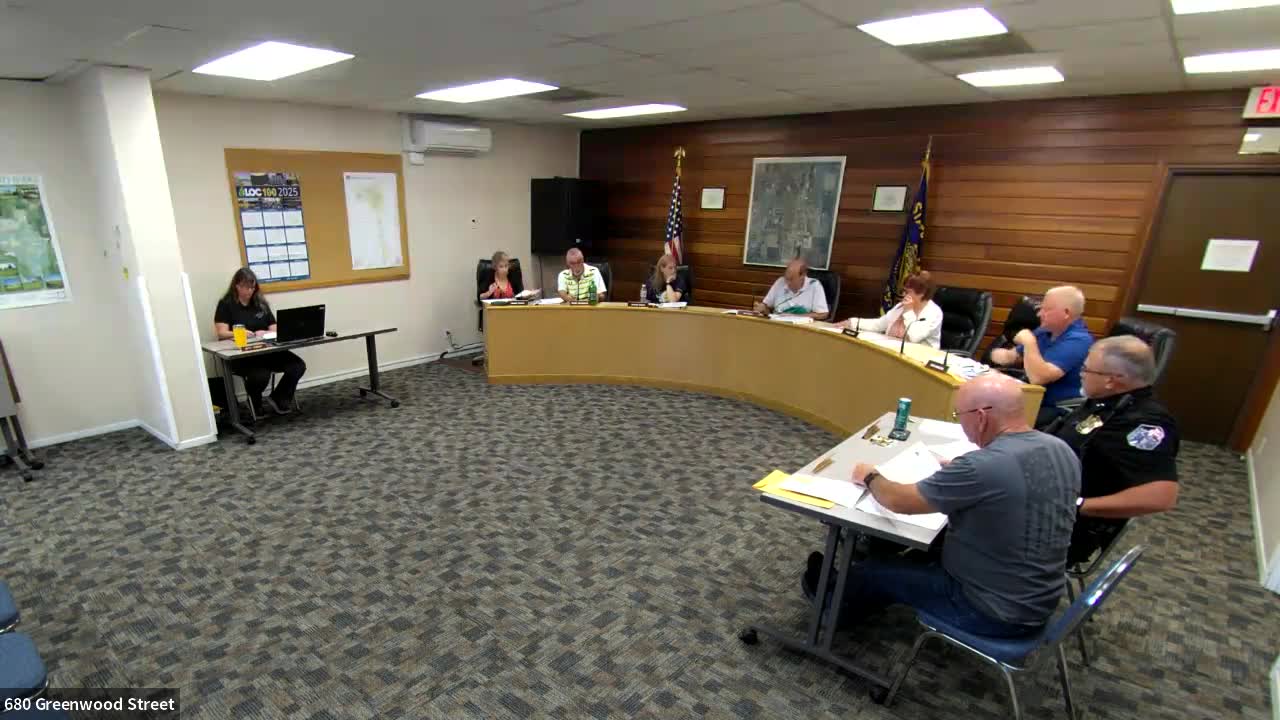
Summary
Police Chief Buddell reported on authentication of body and in-car cameras, evidence backlog reduction, a pause on sending two recruits to psychological testing, drone and ALPR technology fundraising via the Junction City Police Foundation, and training and vehicle procurement plans.
Police Chief Buddell updated the council on staffing, equipment and training Tuesday, reporting several technology upgrades in progress, a pause on two officer candidates and ongoing foundation fundraising for drones and license-plate-camera technology.
On staffing, Chief Buddell said the department opted not to send two applicants to psychological evaluation because of “yellow flags” in their files and reopened recruitment for the officer position; the police services technician opening is also moving through internal posting. The chief described the hiring step as precautionary: “There was just too many yellow flags, and I don't think we're in a position where we have to rush and try and push people through,” he said.
The city is implementing a suite of technology upgrades under a contract with Axon: in-car video units are scheduled for installation, evidence will sync to evidence.com and body-worn cameras and tasers have been delivered. The chief said improved body-worn cameras have better audio and video quality but noted shorter battery life. He reported the evidence cataloging backlog has fallen to 37,948 items from roughly 60,000.
Chief Buddell described continuing challenges integrating county dispatch data (CAD) with the department’s systems; officers currently cannot view CAD entries on their mobile devices and staff are awaiting access permissions and new mobile data terminals (MDTs) that are “about 48 weeks out.” He said the department’s new records management system (RMS) is likely not online until October, creating a transition period where the department may operate without a full RMS and must continue legacy systems.
On community-funded technology, the Junction City Police Foundation is fundraising for a drone and exploring partnerships for Flock automated license-plate recognition (ALPR) cameras. The chief said Flock offers a 30-day trial of multiple cameras and noted one camera in Junction City currently covers the OCCU parking lot. The chief summarized cost estimates provided to the council: roughly $3,000 to purchase a Flock camera and about $3,000 per camera for an annual fee. A councilor and the chief described a recent call where Eugene’s camera data assisted locating a vehicle after an armed robbery in a neighboring area.
Training and vehicles: the chief described recent high-risk-traffic-stop training, warrant and interview training for officers, and plans to seek vehicle procurement slots for next fiscal year because order lead times mean cars ordered now might not arrive until January 2027. The council praised the department’s outreach at a Chamber of Commerce presentation and the chief’s public engagement.
No formal council actions were taken; the item was presented for information and councilors expressed support for the department’s training and technology plans.