
Council debates replacing standing committees with quarterly sector meetings; administrators to return with policy details
Get AI-powered insights, summaries, and transcripts
Subscribe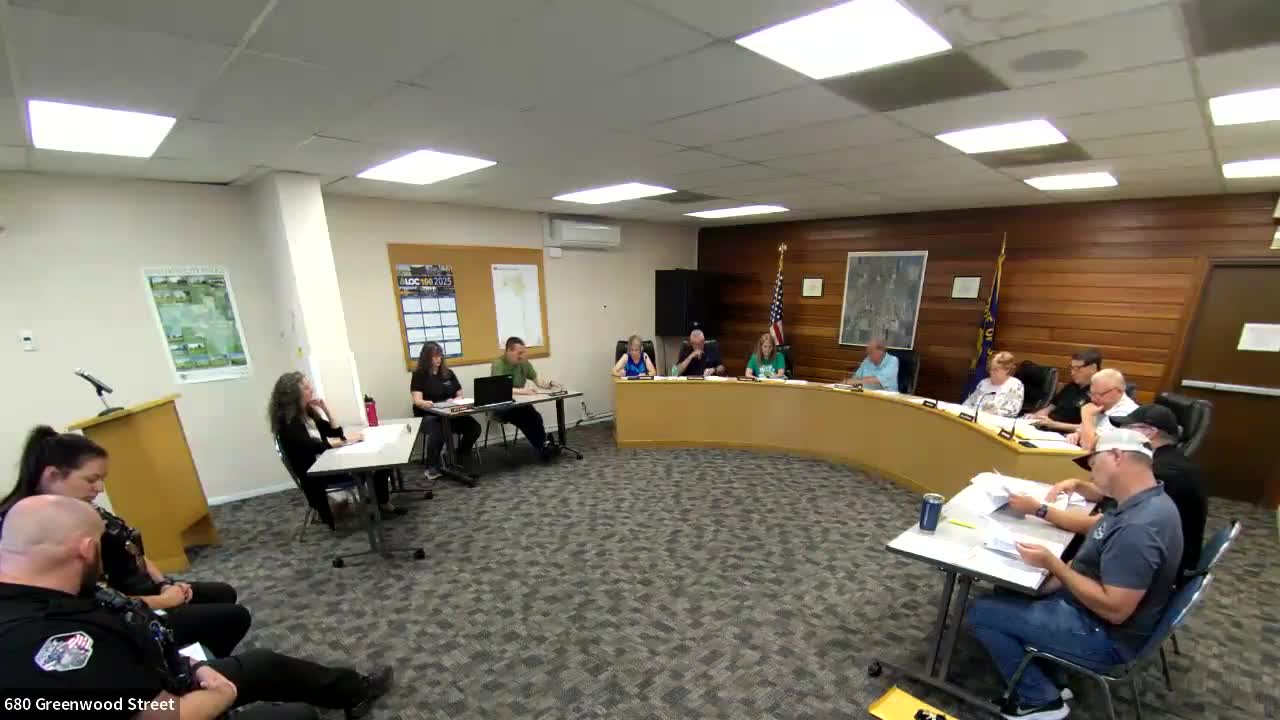
Summary
Councilors debated a staff proposal to pause standing committees in favor of quarterly neighborhood 'sector' meetings intended to boost public engagement.
The Junction City Council held an extended debate on July 8 over a staff proposal to pause standing council committees and replace them with quarterly community sector meetings intended to increase public engagement.
City Administrator Jason presented a draft administrative policy describing six geographic sectors, quarterly meetings (two daytime and two evening sessions per year for each sector) and a reporting process back to council. Jason said the policy would “try to keep it as simple as possible to start with” and that staff would use city web, reader boards, Facebook and water-bill mailings for outreach.
Council reaction split across familiar lines. Supporters said the proposal could reach residents who do not attend evening meetings at City Hall. As Councilor Hancock put it, “We could try it and see if it works. If it does work, then it's done.” Several councilors urged staff to return with clear rules about how many council members may attend without creating a quorum and how to advertise when multiple councilors will be present.
Skeptical councilors recalled prior attempts at sector meetings and warned that committees historically afforded staff and council more confidential, detailed working sessions that prepared items for council votes. One councilor said past sector efforts “didn't work” and cautioned against moving away from committee-style vetting that allows deeper discussion before formal council action.
Staff clarified operational details: each meeting would represent departments (public works, police, administration), include a half-hour presentation followed by Q&A, and be about an hour long. Meetings would be hosted at neighborhood locations when possible and default to the community center if no facility is available.
Council did not adopt a final ordinance at the meeting. Administrators were directed to prepare the policy for formal adoption, to return with a schedule and advertising plan (including water-bill and social-media outreach) and to include procedures for notifying the council when more than two members plan to attend so the meeting can be advertised appropriately.
The discussion revealed lingering tension between maximizing public access and preserving committee-level staff-council working sessions; staff will return with a policy for council consideration and anticipated implementation in August if approved.