
Committee discusses crisis intervention, trauma-informed conflict resolution for community
Get AI-powered insights, summaries, and transcripts
Subscribe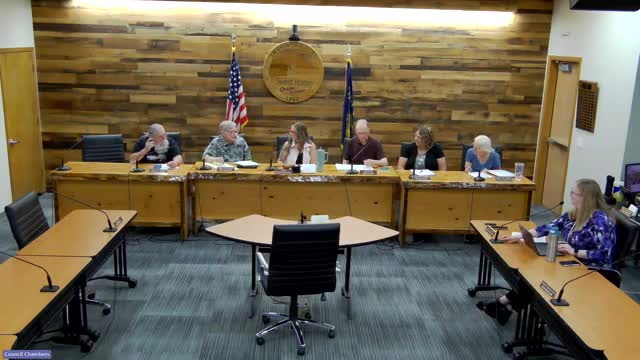
Summary
Members proposed community training on conflict resolution and trauma-informed care to reduce escalating local confrontations; speakers suggested youth-focused programming alongside broader community sessions and noted existing providers that could offer mental-health first aid and related training.
Committee members introduced a new-business item described as "crisis intervention slash postvention" and spent substantial time discussing a community approach that blends trauma-informed care, conflict resolution and mental-health first-aid training.
One committee member said the item began as a conversation about conflict resolution and later broadened to crisis intervention and postvention. "My emphasis was this whole political stuff that we've got going on, not just nationally, but in this community," the member said, urging programs that help people "talk to one another without throwing rocks and threatening lives."
Speakers recommended layered approaches: workshops for school-age children, separate sessions for adults and community-wide events that teach conflict-deescalation skills. Several committee members pointed to existing resources: local health providers, Samaritan-affiliated programs, and trained staff at the Family Assistance and Resource Center who already practice trauma-informed approaches. "Trauma informed care is just ... everywhere," one speaker said when describing why a blended approach could work.
Why it matters: Committee members framed the issue as both preventative and restorative — teaching skills to reduce escalation and offering postvention support after incidents. Members said targeting youth might be easier because children are a "captured audience" in schools and more receptive to training.
Outcome and next steps: Committee members did not adopt a formal program or resolution; they discussed options and agreed to continue planning. The committee noted potential training options to investigate (mental-health first aid, ASSIST, trauma-informed care) and suggested reaching out to Samaritan and other local providers for possible presentations or workshops. No formal vote was taken.