Get Full Government Meeting Transcripts, Videos, & Alerts Forever!
Get email alerts on the Economic Development Cid topic
No spam. Unsubscribe anytime.
Developer seeks 1% CID and tenants to revive largely vacant Hartman Heritage strip center
Summary
Highland Capital representatives asked the Independence City Council to allow a one‑percent Community Improvement District sales tax to fund up to $9.19 million in reimbursements for tenant improvements to revive about 215,000 square feet of largely vacant strip center space at Hartman Heritage.
Highland Capital and its counsel presented a plan at the Independence City Council public hearing to form the Pavilions at Hartman Heritage Community Improvement District and impose a one‑percent CID sales tax on retailers in the district to reimburse developer investment in tenant improvements.
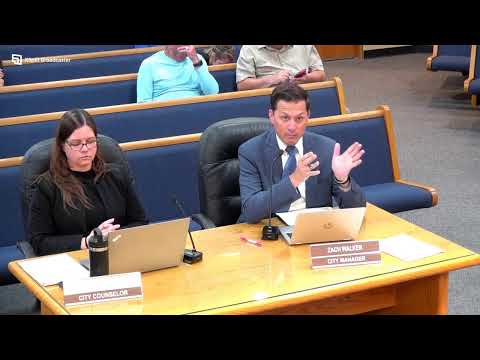
Assistant Community Development Director Rick Arroyo summarized planning‑commission action and staff background; David Martin of Gilmore & Bell and Kirk (Curt) Peterson, attorney for the developer, described the project and the legal and financial structure. Peterson said the center is about 215,000 square feet of leasable space with roughly 70% vacancy and that the developer estimates up to $18 million of tenant improvements will be needed. He said the CID revenue is projected in present value at about $9.19 million and would be capped at that reimbursement amount plus interest.
The nut graf: The developer requested authority to impose a 1% sales tax within the CID boundary, for up to 27 years if necessary, that would reimburse the developer on a pay‑as‑you‑go basis only if the project generates the sales tax; the developer and its attorneys emphasized the city would bear no direct financial liability.
Peterson described recent vandalism and theft at the center and said national and regional tenants require substantial tenant improvements before signing leases. “The problem is this center right now is stuck in the downward cycle of what we see for many retail centers,” he told council members, and said that without tenant‑improvement support the center is unlikely to re‑stabilize.
During the public hearing, resident Becky Hake said multiple CIDs already overlap portions of the property, called the map and some blight findings into question and warned that stacking multiple sales taxes could push the total local sales tax rate to among the highest in the city. Mr. Martin, representing the city’s bond counsel, responded that the proposed CID has a distinct boundary, purpose and funding mechanism from the event‑center CID and an existing special‑assessment district and that the two earlier districts do not impose the same sales tax on the same revenue base.
Council member discussion noted statutory limits and the developer indicated letters of intent exist with several potential tenants and that leases could begin being signed within weeks to months after approval; the developer suggested early next year as a realistic timeframe to see openings. Council recorded a first reading of the ordinance establishing the CID (ordinance 25‑043). No final approval or funding authorization beyond first reading was recorded at the meeting.
Ending: The CID proposal remains under council consideration following first reading and additional hearings; residents expressed concerns about tax stacking and long CID terms while the developer argued the district is necessary to return tenants and sales tax revenue to the city.