
Butler County officials flag motor-vehicle program shortfall as state fees fail to cover costs
Get AI-powered insights, summaries, and transcripts
Subscribe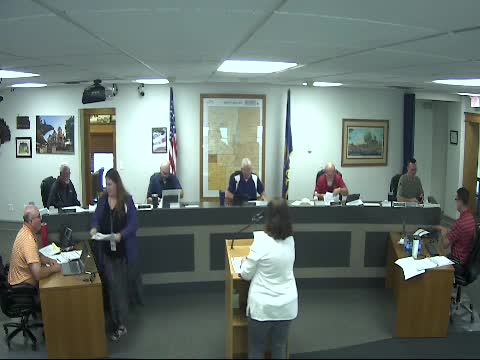
Summary
Treasurer's office staff and commissioners said state-set per-transaction fees and expanded online personalization have left the county's motor-vehicle fund running a structural deficit, driving turnover and likely requiring a general-fund transfer if not changed.
Butler County Treasurer's Office staff told commissioners on July 8 that state-set transaction fees no longer cover the county's cost to provide motor-vehicle and driver's-license services, and that the county may need to use general-fund transfers to keep the motor-vehicle fund solvent.
At a budget workshop, Suneeta from the Treasurer's Office said commercial transactions are particularly unprofitable: the county collected about $552,568 in commercial-related receipts in 2024 but kept only about $5,350, or roughly 1% of the total. Commissioners and Treasurer staff said the state's flat-per-transaction reimbursement model has not kept pace with staff costs, inflation and expanded services such as wider plate personalization, which increases face-to-face processing time.
The Treasurer's Office described practical effects: longer in-person wait times, higher staff turnover and a difficulty in covering labor costs from the motor-vehicle fee revenue alone. Staff and commissioners said online renewals generate less facility revenue for the county because some transactions bypass the in-person facility fee, while personalization rules have increased the number of in-person transactions that take far longer than the fee reimburses.
Commissioners and staff discussed possible remedies including lobbying state legislators and the Kansas Association of Counties for fee reforms, encouraging consistent use of the facility fee by smaller counties, and pursuing a percentage-based reimbursement rather than a fixed-fee per transaction. County staff said some counties make motor-vehicle work part of the general fund, which shifts costs to property taxpayers rather than relying on the fee-based fund that is currently running in the red.
The commission was told the motor-vehicle fund likely cannot remain solvent under the compensation study increases without a transfer from the general fund in 2026; staff suggested a transfer could be needed as early as late 2026 if the county implements pay adjustments.
No formal action was taken; the discussion was part of the budget workshop and commissioners asked staff to continue developing options to present in later budget sessions.
Ending: Commissioners asked staff to coordinate with the Treasurer's Association and local legislators to explore statutory or policy changes to how the state allocates motor-vehicle transaction revenue to counties.